The hottest "Sanfu" days of the year are undoubtedly the most difficult to endure. The high temperatures can easily lead to various ailments such as "internal heat," sores, and sore throats. Therefore, during the "Sanfu" period, it's even more important to take care of our bodies to prevent illness. So, what's the best to eat during the "Sanfu" days? Below, we recommend 6 must-eat foods for the "Sanfu" period that can help you easily get rid of the summer heat!
1. Lotus Seeds
Eating more lotus seeds after the "Sanfu" period begins can help reduce "internal heat." The heart is most vulnerable during hot weather. The summer heat can irritate the body and easily lead to irritability and heart strain. Although the core of the lotus seed is bitter, it can clear heart fire and also lower blood pressure, making it suitable for people with a weak constitution, palpitations, or insomnia with many dreams. However, those with constipation or bloating should eat it in moderation.
2. Mung Beans
Mung beans are cool in nature and sweet in taste, with the effects of clearing heat and detoxifying, relieving summer heat and irritability, quenching thirst, and strengthening the stomach. For people whose skin itches or develops a rash from sun exposure during the "Sanfu" days, eating mung beans can relieve these symptoms. However, it should be noted that the elderly and children with symptoms such as limb weakness and diarrhea should not eat them.
Mung Bean, Lily, and Lotus Seed Soup
3. Ginger
As the saying goes, "Eat radishes in winter and ginger in summer." Ginger has a warming effect, so you can eat more of it during the "Sanfu" period to supplement your body's yang energy. Ginger is pungent and warm in nature, with various effects such as dispelling cold and inducing sweating, resolving phlegm and stopping coughs, harmonizing the stomach, and preventing vomiting. The best time to drink ginger tea during the "Sanfu" period has also arrived. Place 4 slices of ginger, 4 red dates, and an appropriate amount of brown sugar in a cup, and steep them with boiling water to make a cup of warm ginger and date tea to warm the stomach and dispel cold. Drinking ginger tea is a simple and easy health-preserving method that seems to be becoming more and more popular. Ginger tea can be drunk all year round, but summer is the most suitable season for it.
4. Watermelon
There is an old Chinese saying, "Eating watermelon on a hot day saves you from needing medicine." Watermelon is cold in nature and sweet in taste, affecting the heart, stomach, and bladder meridians. It has the effects of clearing summer heat, promoting the production of body fluids to quench thirst, and promoting urination to relieve irritability. Eating watermelon often can clear internal heat and relieve fever. Watermelon not only clears heat and detoxifies, relieves irritability and quenches thirst, but also promotes urination and aids digestion. Therefore, people should definitely eat some watermelon, especially those working outdoors or in high-temperature indoor environments.
Watermelon Slush
5. Green Tea
In the afternoon during the "Sanfu" period, drinking a cup of green tea can not only clear heat and relieve summer heat but also detoxify and quench thirst. Drinking green tea can strengthen teeth, protect capillaries, and refresh the mind. Additionally, drinking green tea after heavy sweating can help the body replenish lost potassium and improve heat tolerance. It should be noted that green tea is slightly cold in nature, so people with a weak stomach may experience bloating after drinking it.
6. Pear
During the hot "Sanfu" days, it's easy to become dehydrated. Pears are fresh, juicy, and have a sweet and sour taste, earning them the nickname "natural mineral water" and making them the best hydrating food. The "Compendium of Materia Medica" records that "li" (pear) means "profit," and its nature is flowing downwards. In terms of its medicinal properties, it can treat wind-heat, moisten the lungs, cool the heart, resolve phlegm, reduce fire, and detoxify. Modern medical research has proven that pears do indeed moisten the lungs and clear dryness, stop coughs and resolve phlegm, and nourish the blood and promote tissue regeneration. Therefore, it is effective for patients with acute bronchitis and upper respiratory tract infections who experience symptoms such as a dry, itchy, or sore throat, hoarseness, thick phlegm, constipation, and dark urine.
Kiwi, Snow Pear, and Banana Juice
 Blueberry smoothie
 Onion roll
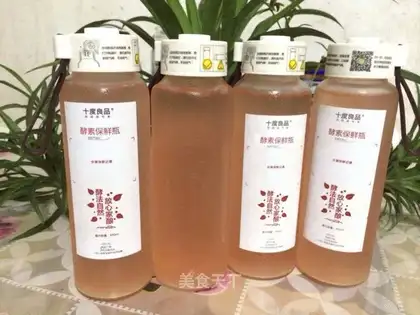 Plum yeast