As the weather gradually turns cooler, most people prefer to eat meat to increase nutrition, nourish the body, and maintain internal balance to resist the coming harsh winter. At this time, eating more foods that can boost human immunity and resistance is very beneficial for the body. However, after a summer of strain, some people have a weak and cold spleen and stomach and cannot tolerate rich meats and fish. Should they choose vegetarian foods for nourishment? The answer is yes. The following vegetarian foods are treasures for autumn nourishment. Although they are cheap, they have many unique nutritional advantages that many animal-based foods cannot match.
1. Taro
Taro is rich in starch and nutritious. Every 100 grams of fresh taro contains 91 calories, 2.4 grams of protein, 0.2 grams of fat, 20.5 grams of carbohydrates, 14 milligrams of calcium, 43 milligrams of phosphorus, 0.5 milligrams of iron, 10 milligrams of vitamin C, 0.09 milligrams of vitamin B1, and 0.04 milligrams of vitamin B2. It also contains mannose, has a soft and smooth texture that is easy to digest, and has a stomach-strengthening effect. It is especially suitable for people with a weak spleen and stomach, those suffering from intestinal diseases, tuberculosis, and patients in the recovery period. It is an excellent food for infants and the elderly.
Red Bean and Taro Sweet Soup
2. Sweet Potato
Sweet potato is a relatively nutritious food among grains. Because sweet potatoes can supply the human body with a large amount of mucoprotein, sugar, vitamin A, and vitamin C, it has the effects of tonifying deficiency and weakness, replenishing qi, strengthening the spleen and stomach, and nourishing the kidneys. Therefore, eating sweet potatoes often can prevent the atrophy of connective tissue in the liver and kidneys and prevent the occurrence of collagen diseases.
3. Cabbage
The vitamin C content in cabbage is 3.5 times that of tomatoes, and its calcium content is 2 times that of cucumbers. Cabbage also contains more trace elements molybdenum and manganese, which are essential raw materials for the human body to make enzymes, hormones, and other active substances. It can promote human metabolism and is very beneficial for children's growth and development. Its large amount of vitamin C can enhance the body's anti-cancer ability.
Torn Cabbage
4. Radish
Radish contains more water and vitamin C, a certain amount of calcium, phosphorus, carbohydrates, and a small amount of protein, iron, and other vitamins. It also contains beneficial components such as lignin, choline, oxidase, amylase, and mustard oil. Traditional Chinese medicine believes that radish is cool in nature and pungent and sweet in taste, entering the lung and stomach meridians. It can eliminate food stagnation, resolve phlegm-heat, promote qi circulation in the middle jiao, and detoxify. It is used for symptoms such as food stagnation and bloating, and difficult urination. It can be seen that radish has a significant effect on regulating the spleen and stomach, which is why there is a saying "Radish after autumn is better than ginseng." It also has a辅助 therapeutic effect on common autumn ailments such as indigestion, wind-heat type colds, tonsillitis, cough with excessive phlegm, and sore throat.
Pickled Radish
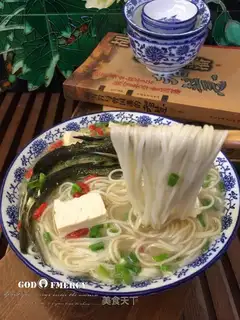 Yellowfish noodles
 Apple slices
 Sugar Jelly Ridge