Autumn is actually a high-incidence season for gastrointestinal diseases, making gastrointestinal conditioning particularly important during this time. However, many people often overlook this point and don't know how to nourish their stomach in autumn. So, what should one eat to nourish the spleen and stomach in autumn? Radishes regulate the spleen and stomach, sweet potatoes warm the stomach, pumpkin nourishes the intestines... Below, we introduce 10 delicious foods for nourishing the spleen and stomach in autumn. Nourishing your spleen and stomach well in autumn will help you get through the winter smoothly!
1. Radish
According to Traditional Chinese Medicine, radish is cool in nature with a pungent, sweet, and slightly bitter taste. It affects the lung and stomach meridians and can resolve food stagnation, transform phlegm-heat, promote the descent of qi, and detoxify. It is used for conditions such as abdominal bloating from food stagnation and difficult urination. It's clear that radish plays a significant role in regulating the spleen and stomach, which is why there's a saying, "A radish after autumn is worth ginseng." It also has a supplementary therapeutic effect on common autumn ailments such as indigestion, wind-heat type colds, tonsillitis, cough with excessive phlegm, and sore throat. Moreover, radish contains various trace elements that can induce the human body to produce its own interferon; white radish is rich in vitamin C, an antioxidant that can inhibit melanin synthesis, prevent fat oxidation, and stop fat deposition.
White Radish and Duck Broth
2. Sweet Potato
Sweet potatoes (especially yellow-fleshed ones) are a relatively nutritious food among grains. Because sweet potatoes can supply the human body with a large amount of mucoprotein, sugar, vitamin A, and vitamin C, they have the effects of tonifying deficiency and fatigue, replenishing qi, strengthening the spleen and stomach, and nourishing the kidneys. Regular consumption of sweet potatoes can prevent the atrophy of connective tissue in the liver and kidneys and the occurrence of collagen diseases. Furthermore, sweet potatoes are rich in carotene, which can provide abundant vitamin A. The vitamin A content can be as high as 40mg/100g of fresh sweet potato. After being absorbed by the body, carotene can be converted into vitamin A, which helps maintain normal visual function.
Corn, Millet, and Sweet Potato Porridge
3. Pumpkin
Pumpkin is rich in carotenoids, which can be converted into vitamin A in the body, playing an important physiological role in the growth and differentiation of epithelial tissues, maintaining normal vision, and promoting bone development. In autumn, the skin becomes rough and dry; eating pumpkin is very helpful for keeping the skin delicate because it is rich in carotene and vitamin C, which can protect the liver and has a certain stomach-strengthening effect. It is especially suitable for people with a weak stomach. The rich pectin it contains can "adsorb" bacteria and toxic substances, including heavy metals like lead, acting as a detoxifier. You can cook pumpkin into congee or soup to nourish the intestines.
Pumpkin Soy Milk Bun
4. Chinese Yam
According to Traditional Chinese Medicine, Chinese yam is sweet, neutral, and non-toxic. It has the effects of nourishing and strengthening the body, aiding digestion, stopping spontaneous sweating from deficiency, and stopping diarrhea. It is mainly used for diarrhea due to spleen deficiency, cough due to lung deficiency, diabetes, frequent urination, spermatorrhea, leucorrhea in women, and chronic enteritis due to indigestion. In addition, the starch enzyme, polyphenol oxidase, and other components in Chinese yam can improve the digestive and absorption function of the spleen and stomach, and have a therapeutic effect on symptoms such as weak spleen and stomach, poor appetite with fatigue, and diarrhea. Allantoin in Chinese yam helps repair the gastric mucosa and has a good auxiliary therapeutic effect on ulcers. It is worth noting that Chinese yam has an astringent effect, so it is not suitable for people with constipation. For stomach health, it is best to use fresh Chinese yam for soups, and the cooking time should not be too long, as the digestive enzymes will be destroyed and lose their function.
Jade Tai Chi Chinese Yam
5. Cabbage
According to Traditional Chinese Medicine, cabbage is sweet and neutral in nature, with effects of strengthening the spleen and stomach, nourishing the kidneys, unblocking collaterals and strengthening bones, benefiting the five organs, regulating the six fu-organs, and nourishing the bone marrow. Stewing cabbage with Job's tears, dried tangerine peel, and honey can relieve symptoms such as epigastric pain, upper abdominal bloating, and stomach and duodenal ulcers. Moreover, cabbage contains a large amount of vitamin C, which has the effect of relieving pain and promoting ulcer healing. Also, cabbage and other cruciferous vegetables contain a small amount of goitrogenic substances that can interfere with the thyroid's use of iodine. When the body compensates, the thyroid enlarges, forming a goiter. The goitrogenic effect of cabbage can be eliminated by a large amount of dietary iodine, such as supplementing with iodized salt, sea fish, seaweed, and seafood.
Baked Eggs with Cabbage
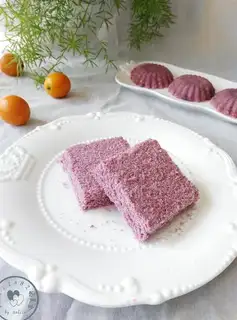 Potato muffins
 Strawberry Dafu
 Yellow chicken soup
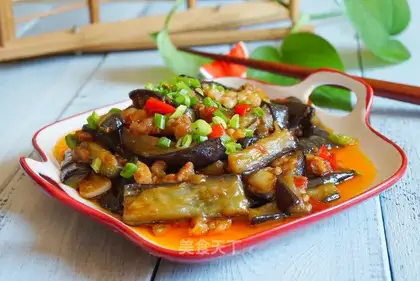 Meat and eggplant
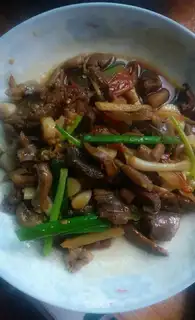 Spicy duck