When we eat vegetables, we mostly consume those commonly found in the market, and we tend to trust them more. However, many wild vegetables in life also have very high nutritional value. Now, the editor recommends some wild vegetables with high nutritional value.
1. Purslane can treat diabetes
Purslane, also known as Portulaca oleracea or longevity vegetable, is generally reddish-brown with thick, long-oblong leaves, named for its resemblance to a horse's teeth. It contains various nutrients such as protein, fat, thiamine, riboflavin, and ascorbic acid. Due to its relatively high acid content, it has a slightly sour taste when eaten.
The medicinal properties of purslane are to clear heat and detoxify, and to cool blood and stop bleeding. Because it is rich in noradrenaline, it can promote the secretion of insulin by the pancreatic islets, regulate the body's sugar metabolism process, lower blood sugar concentration, and maintain stable blood sugar, so it has a certain therapeutic effect on diabetes. In addition, it contains an unsaturated fatty acid called 3-W, which can inhibit the production of cholesterol and triglycerides, and has a protective effect on the cardiovascular system. It can be eaten in many ways: stir-fried, cold-dressed, or used as a filling after being blanched. For example, stir-fried purslane with eggs, steamed purslane buns, or cooking a garlic and purslane congee to clear heat and stop dysentery.
Purslane "Yu'er" (a type of noodle dish)
2. Dandelion is good for the liver
Dandelion, also known as Taraxacum mongolicum, is a plant many people have seen in the wild. Its pollen contains vitamins and linoleic acid, while its stems and leaves contain choline, amino acids, and trace elements.
The main functions of dandelion are to clear heat and detoxify, reduce swelling, and promote urination. It has a broad-spectrum antibacterial effect and can stimulate the body's immune function, achieving the effects of promoting bile secretion and protecting the liver. It can be eaten raw after blanching, stir-fried, or made into soup, such as jellyfish skin mixed with dandelion, or stir-fried dandelion with shredded pork; it can also be mixed with green tea, licorice, and honey to make a cup of dandelion green tea that can clear heat and detoxify and reduce swelling.
Garlic Mashed Dandelion
3. Sonchus oleraceus can inhibit leukemia
The scientific name of Sonchus oleraceus is Sonchus arvensis or Sonchus brachyotus. Its stem is yellowish-white; the leaves are round-lanceolate, green on the surface and gray-green on the back; the flowers are bright yellow and ligulate. Dried Sonchus oleraceus is rich in elements such as potassium, calcium, magnesium, phosphorus, sodium, iron, manganese, zinc, and copper.
Sonchus oleraceus can clear heat and dry dampness, reduce swelling and discharge pus, resolve stasis and detoxify, and cool blood to stop bleeding. The ethanol extract of Sonchus oleraceus, concentrated by water decoction, has an inhibitory effect on acute lymphocytic leukemia, as well as acute and chronic granulocytic leukemia. More common ways to eat it include Sonchus oleraceus mixed with garlic mash, Sonchus oleraceus dressed with sauce, and Sonchus oleraceus stewed with pork liver.
Sonchus Oleraceus and Small Intestine Soup
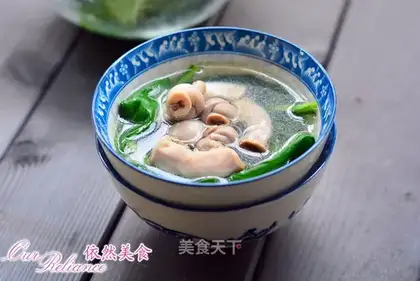 Scorch soup
 Pie pecan
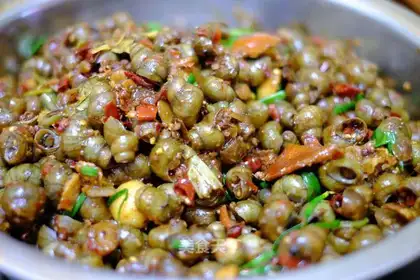 Snails