Wild onions, belonging to the Allium genus (which also includes garlic, leeks, and chives), have been a staple in diets and traditional medicine for millennia. These pungent, resilient plants grow abundantly in meadows, forests, and grasslands across temperate regions of North America, Europe, and Asia. Unlike their cultivated counterparts, wild onions are foraged for their intense flavor and concentrated nutrients, offering a unique blend of culinary versatility and health benefits. This article explores the nutritional profile, health-promoting properties, and important precautions associated with consuming wild onions, shedding light on why this humble herb deserves recognition as both a functional food and a medicinal plant.
I. Nutritional Profile of Wild Onions
Wild onions pack a nutritional punch that rivals many vegetables and herbs, boasting an impressive array of vitamins, minerals, antioxidants, and bioactive compounds. Their nutrient density is often higher than that of domesticated onions due to their natural adaptation to harsh environments, which compels them to accumulate protective compounds.
1. Vitamins
Wild onions are particularly rich in vitamin K, essential for blood clotting and bone metabolism. A 100-gram serving of fresh wild onions can provide up to 170% of the daily recommended intake (DRI) of this vitamin. They are also an excellent source of vitamin C, a powerful antioxidant that supports immune function, skin health, and collagen synthesis. Additionally, wild onions contain significant amounts of folate (B9), crucial for DNA synthesis and cell division, making them valuable for pregnant individuals and those undergoing rapid growth.
2. Minerals
The mineral content of wild onions is equally noteworthy. They are high in potassium, which regulates blood pressure and fluid balance, and manganese, a cofactor for enzymes involved in antioxidant defense and metabolism. Iron, vital for oxygen transport, and calcium, important for bone health, are also present in moderate amounts. Notably, wild onions provide more sulfur than cultivated onions, a key element linked to their pungent aroma and medicinal properties.
3. Bioactive Compounds
The most potent components of wild onions are its organosulfur compounds, such as allicin, allyl sulfides, and thiosulfinates. These compounds are responsible for the characteristic sharp smell and taste of allium vegetables and are studied for their antimicrobial, anti-inflammatory, and anticancer effects. Wild onions also contain flavonoids, including quercetin and kaempferol, which combat oxidative stress by neutralizing free radicals. Quercetin, in particular, has been shown to reduce inflammation, lower blood pressure, and improve heart health.
4. Fiber and Low Calories
As a low-calorie food (approximately 30-40 calories per 100 grams), wild onions are an excellent addition to weight management diets. They are high in dietary fiber, which promotes digestive health by supporting regular bowel movements and feeding beneficial gut bacteria. The fiber also helps stabilize blood sugar levels, preventing spikes and crashes after meals.
II. Health Benefits and Medicinal Properties
Beyond their nutritional value, wild onions have been used in traditional medicine for centuries to treat a range of ailments. Modern research is now validating many of these traditional uses, highlighting their potential as complementary therapeutic agents.
1. Immune System Support
The high concentration of vitamin C and allicin in wild onions makes them a natural immune booster. Vitamin C enhances the production and function of white blood cells, the body’s primary defense against pathogens. Allicin, meanwhile, exhibits broad-spectrum antimicrobial activity, inhibiting the growth of bacteria, viruses, and fungi. Regular consumption of wild onions may reduce the severity and duration of colds, flu, and other infections.
2. Cardiovascular Health
Wild onions are heart-healthy heroes, thanks to their ability to lower risk factors for cardiovascular disease. The quercetin in wild onions reduces inflammation in blood vessels, improving endothelial function and lowering blood pressure. Organosulfur compounds help reduce LDL (“bad”) cholesterol while increasing HDL (“good”) cholesterol, preventing the buildup of arterial plaque. Additionally, their potassium content counteracts the effects of sodium, further supporting healthy blood pressure levels.
3. Anticancer Potential
Studies suggest that the bioactive compounds in wild onions may play a role in cancer prevention. Allicin and diallyl disulfide, sulfur-containing compounds, have been shown to induce apoptosis (programmed cell death) in cancer cells and inhibit tumor growth. Quercetin, a flavonoid, blocks the formation of cancer-causing compounds (carcinogens) and reduces the spread of metastatic cells. While more human trials are needed, epidemiological studies link high allium vegetable consumption to a reduced risk of stomach, colorectal, and prostate cancers.
4. Digestive Health
Wild onions support digestive wellness in multiple ways. Their fiber content promotes regularity and prevents constipation, while prebiotic fibers (such as inulin) feed beneficial gut bacteria, improving gut microbiota balance. The antimicrobial properties of allicin help eliminate harmful gut pathogens, reducing the risk of infections like Helicobacter pylori, which is associated with ulcers and stomach cancer.
5. Anti-inflammatory and Antioxidant Effects
Chronic inflammation is a root cause of many diseases, including arthritis, diabetes, and neurodegenerative disorders. Wild onions are rich in antioxidants that neutralize free radicals, molecules that damage cells and trigger inflammation. Quercetin and sulfur compounds inhibit pro-inflammatory enzymes (like COX-2), reducing inflammation and alleviating symptoms of conditions such as osteoarthritis and asthma.
6. Blood Sugar Regulation
For individuals with diabetes or insulin resistance, wild onions may offer metabolic benefits. The fiber in wild onions slows carbohydrate digestion, preventing rapid spikes in blood sugar. Allicin has been shown to enhance insulin sensitivity, allowing cells to use glucose more efficiently. Animal studies indicate that regular allium consumption can lower fasting blood sugar levels and improve glycemic control.
III. Culinary Uses and Versatility
Wild onions are as versatile as they are nutritious, adding depth and flavor to a wide range of dishes. Their taste is often described as more intense and pungent than cultivated onions, with hints of garlic and pepper. Both the leaves (scapes) and bulbs are edible, though the leaves are more commonly used due to the bulb’s small size in some species.
1. Fresh and Cooked Applications
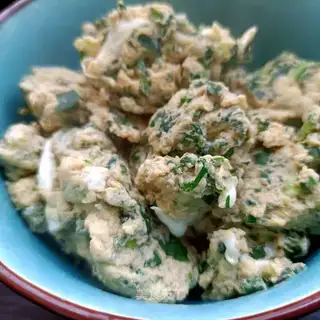
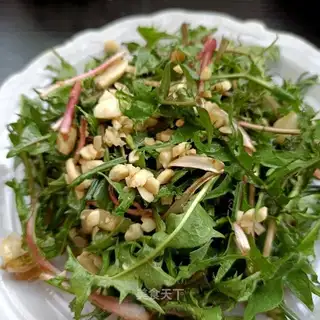
Fresh wild onion leaves can be chopped and added to salads, soups, stews, and sauces for a burst of flavor. They make an excellent garnish for meats, vegetables, or grains, similar to chives. When cooked, their flavor mellows, becoming sweeter and more aromatic, making them ideal for stir-fries, omelets, and roasted dishes. The bulbs, though smaller, can be pickled, sautéed, or used as a flavor base for stocks and broths.
2. Traditional and Regional Cuisines
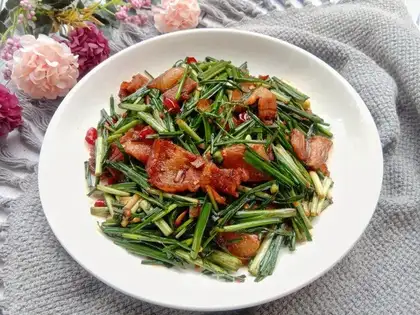
In many cultures, wild onions are a cornerstone of traditional cuisine. In the American South, for example, ramps (a wild onion species) are celebrated in spring festivals and used in dishes like ramp pesto, fried ramps, and ramp-infused cornbread. In parts of Asia, wild chives are stir-fried with meats or added to noodle soups for their aromatic quality. Indigenous communities across North America have long foraged wild onions for both food and medicine, incorporating them into pemmican (a preserved meat mixture) and medicinal teas.
3. Preserving Wild Onions
To extend their shelf life, wild onions can be preserved in several ways. Freezing the chopped leaves retains their flavor for months, while drying them concentrates their taste, creating a seasoning similar to onion powder. Pickling the bulbs in vinegar or oil preserves their crunch and adds a tangy kick to salads and sandwiches.
IV. Precautions and Potential Side Effects
While wild onions offer numerous health benefits, they are not without risks. Certain precautions must be taken to ensure safe consumption, particularly for individuals with specific health conditions or those foraging in the wild.
1. Identification and Toxic Look-Alikes
The most significant risk associated with wild onions is misidentification. Several toxic plants, such as death camas (Zigadenus spp.) and wild garlic (Allium ursinum) (which is safe but often confused with toxic lilies), resemble wild onions. Death camas, in particular, is deadly if ingested and can be mistaken for wild onions due to similar leaf shape and habitat. Foragers must be able to distinguish wild onions by their characteristic onion/garlic smell (a key identifier—toxic plants typically lack this odor) and by examining bulb structure (wild onions have a layered, onion-like bulb, whereas death camas has a bulb with distinct brown paper-like coverings).
2. Digestive Discomfort
Some individuals may experience digestive issues after consuming wild onions, particularly in large quantities. The high fiber content can cause bloating, gas, or diarrhea in those with sensitive digestive systems. Sulfur compounds may also exacerbate symptoms of irritable bowel syndrome (IBS) in susceptible individuals. Starting with small portions and gradually increasing intake can help minimize these effects.
3. Blood-Thinning Effects
Wild onions are rich in vitamin K and contain compounds that have mild blood-thinning properties. Individuals taking anticoagulant medications (e.g., warfarin) should consume wild onions in moderation and maintain consistent intake to avoid interfering with drug efficacy. Sudden increases in vitamin K levels can reduce the effectiveness of blood thinners, increasing the risk of clotting.
4. Allergic Reactions
Though rare, some people may be allergic to wild onions or other allium vegetables. Symptoms can range from mild (itching, hives) to severe (anaphylaxis). Individuals with a known allergy to onions, garlic, or leeks should avoid wild onions altogether.
5. Pesticide and Contamination Risks
Foraged wild onions may be exposed to pesticides, herbicides, or environmental pollutants if harvested from areas near agricultural fields or industrial sites. To minimize risk, foragers should gather wild onions from pristine, uncontaminated locations, such as remote meadows or forests. Washing the leaves and bulbs thoroughly before consumption is also essential.
V. Sustainable Foraging and Conservation
As wild onions gain popularity in culinary and wellness circles, sustainable foraging practices are critical to prevent overharvesting and protect natural ecosystems. Overharvesting can deplete wild populations, disrupting local ecosystems and depriving wildlife of a food source.
1. Ethical Foraging Guidelines
- Harvest in moderation: Never take more than 10-15% of a wild onion patch, leaving plenty for regrowth and wildlife.
- Avoid damaging roots: Use a knife or scissors to cut leaves above ground, rather than pulling up the entire plant, allowing the bulb to regenerate.
- Respect protected areas: Do not forage in national parks, nature reserves, or private property without permission.
- Forage sustainably: Choose abundant species and avoid harvesting endangered or threatened varieties.
2. Cultivating Wild Onions
For those who cannot forage safely, cultivating wild onions (such as ramps or wild chives) in home gardens is an excellent alternative. Wild onions are hardy, low-maintenance plants that thrive in well-drained soil and partial shade. Growing them at home ensures a fresh, uncontaminated supply while supporting conservation efforts.
Conclusion
Wild onions are a nutritional and medicinal treasure, offering a unique combination of vitamins, minerals, and bioactive compounds that support immune health, cardiovascular function, and disease prevention. Their culinary versatility makes them a valuable addition to any diet, while traditional and modern research highlights their potential as a therapeutic food. However, responsible foraging, proper identification, and awareness of potential side effects are essential to safely harnessing their benefits. Whether foraged from the wild or grown in a garden, wild onions exemplify the powerful synergy between nature, nutrition, and wellness—a reminder that some of the most potent health remedies grow right in our own backyards.
By embracing sustainable practices and appreciating their rich history, we can ensure that wild onions continue to thrive, nourishing generations to come with their unique blend of flavor and vitality.