Grass carp (Ctenopharyngodon idella), a freshwater fish widely cultivated and consumed across Asia, Europe, and North America, is celebrated for its tender flesh, mild flavor, and affordability. While the body of the fish is often the star of culinary dishes, its tail—an underrated yet nutrient-rich part—holds remarkable nutritional and medicinal value. In many traditional food systems, the fish tail is considered a delicacy and a natural remedy, prized for its collagen content, essential amino acids, and unique bioactive compounds. This article explores the nutritional profile of grass carp tail, its health benefits, potential risks, and best practices for consumption, shedding light on why this humble ingredient deserves a place in a balanced diet.
Nutritional Profile of Grass Carp Tail
Grass carp tail is a nutritional powerhouse, packed with high-quality protein, essential fatty acids, vitamins, and minerals that contribute to overall health. A 100-gram serving of cooked grass carp tail (approximately half a tail) contains approximately:
- Protein: 18–20 grams, providing all nine essential amino acids (including lysine, leucine, and valine) that the body cannot synthesize. This makes it an excellent protein source for muscle repair, immune function, and satiety.
- Collagen and Gelatin: Fish tails are rich in collagen, a structural protein that accounts for nearly 30% of the body’s total protein. When cooked, collagen breaks down into gelatin, which supports skin elasticity, joint health, and gut lining integrity.
- Healthy Fats: 1–2 grams of fat, primarily composed of monounsaturated and polyunsaturated fatty acids (PUFAs), including omega-3 fatty acids like EPA (eicosapentaenoic acid) and DHA (docosahexaenoic acid). These fats reduce inflammation, support brain health, and lower the risk of cardiovascular diseases.
- Vitamins:
- Vitamin B12: Crucial for nerve function and red blood cell formation.
- Vitamin D: Enhances calcium absorption, promoting bone health.
- Vitamin E: A potent antioxidant that protects cells from oxidative damage.
- Minerals:
- Selenium: A trace mineral that boosts immune function and thyroid health.
- Phosphorus: Works with calcium to maintain strong bones and teeth.
- Iron: Essential for oxygen transport in the blood and preventing anemia.
- Zinc: Supports wound healing, DNA synthesis, and immune regulation.
Compared to other parts of the fish, the tail has a slightly higher collagen and gelatin content due to its connective tissue-rich structure, making it particularly beneficial for skin and joint health.
Health Benefits of Grass Carp Tail
The unique nutritional composition of grass carp tail translates into a range of health benefits, supported by both traditional medicine and modern scientific research.
1. Promotes Skin Health and Anti-Aging
Collagen is a key component of the skin, responsible for maintaining its firmness, hydration, and elasticity. As we age, collagen production declines, leading to wrinkles, sagging, and dryness. The collagen and gelatin in grass carp tail help replenish the skin’s natural reserves, improving elasticity and reducing the appearance of fine lines. A 2019 study published in Nutrients found that collagen supplementation enhances skin hydration and density, with fish collagen being particularly effective due to its smaller molecular size, which aids absorption.
2. Supports Joint and Bone Health
The gelatin derived from cooked grass carp tail contains amino acids like glycine and proline, which are essential for cartilage repair and joint lubrication. Regular consumption may reduce symptoms of osteoarthritis and rheumatoid arthritis by reducing inflammation and improving joint flexibility. Additionally, the phosphorus and calcium in fish tails strengthen bones, making it a valuable food for preventing age-related bone loss.
3. Boosts Immune Function
Grass carp tail is rich in selenium and zinc, minerals that play critical roles in immune regulation. Selenium enhances the activity of antioxidants like glutathione, which protects immune cells from damage, while zinc supports the production of white blood cells and cytokines—signaling molecules that coordinate immune responses. A 2020 study in Journal of Trace Elements in Medicine and Biology highlighted that selenium deficiency impairs immune function, increasing susceptibility to infections.
4. Enhances Brain and Heart Health
The omega-3 fatty acids (EPA and DHA) in grass carp tail are vital for brain development and cognitive function. These fats reduce inflammation in the brain, improve communication between neurons, and may lower the risk of neurodegenerative diseases like Alzheimer’s. For heart health, omega-3s triglyceride levels, reduce blood pressure, and prevent the formation of blood clots, lowering the risk of heart attacks and strokes.
5. Aids Digestion and Gut Health
Gelatin, a byproduct of collagen breakdown, soothes the digestive tract by repairing the intestinal lining and reducing inflammation. This makes grass carp tail beneficial for individuals with conditions like leaky gut syndrome, irritable bowel syndrome (IBS), or acid reflux. The protein in the tail also promotes satiety, helping to regulate appetite and support weight management.
Potential Risks and Precautions
While grass carp tail offers numerous health benefits, it is important to consume it in moderation and be aware of potential risks:
1. Mercury and Contaminant Exposure
Like many fish, grass carp may contain trace amounts of mercury, a heavy metal that accumulates in the food chain. High mercury intake can damage the nervous system, particularly in pregnant women, young children, and nursing mothers. To minimize risk, opt for grass carp from clean, sustainable sources (e.g., certified organic farms) and limit consumption to 1–2 times per week.
2. Purine Content and Gout
Grass carp tail is moderately high in purines, natural compounds that break down into uric acid in the body. Excessive uric acid can lead to gout, a painful form of arthritis characterized by joint inflammation. Individuals with gout or high uric acid levels should avoid consuming fish tails frequently or consult a healthcare provider before including them in their diet.
3. Allergic Reactions
Fish allergies are common and can cause symptoms ranging from mild (hives, itching) to severe (anaphylaxis). If you have a known fish allergy, avoid grass carp tail entirely. Even those without allergies should start with small portions to check for adverse reactions.
4. Preparation Methods Matter
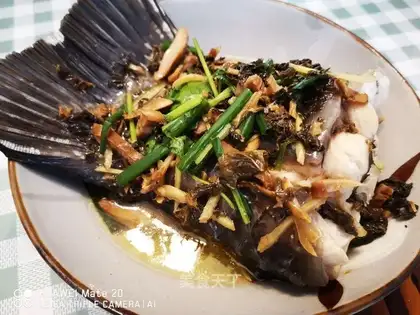
The health benefits of grass carp tail depend heavily on how it is cooked. Deep-frying or adding excessive oil can negate the positive effects of omega-3s and increase unhealthy fats. Instead, opt for steaming, boiling, grilling, or stewing to preserve nutrients and minimize added fats. Avoid using heavy sauces or high-sodium seasonings, as excessive sodium can raise blood pressure.
Culinary Uses and Preparation Tips
Grass carp tail is a versatile ingredient used in various cuisines, from Chinese soups to European stews. Here are some popular ways to prepare it:
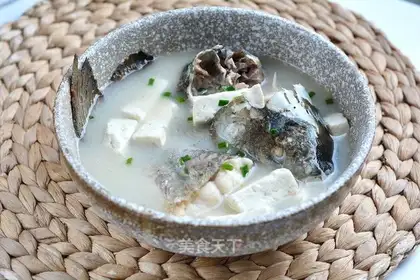
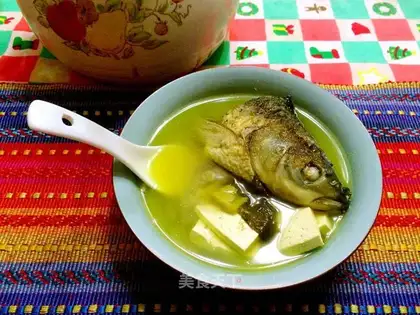
1. Grass Carp Tail Soup
In traditional Chinese medicine, fish tail soup is a popular remedy for colds, fatigue, and skin problems. To prepare:
- Clean the tail and remove scales.
- Sauté ginger, garlic, and green onions in a pot.
- Add the tail, water, and a splash of rice wine.
- Simmer for 30–40 minutes, adding vegetables like carrots or bok choy for extra nutrients.
- Season with salt and pepper to taste.
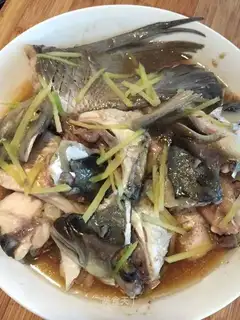
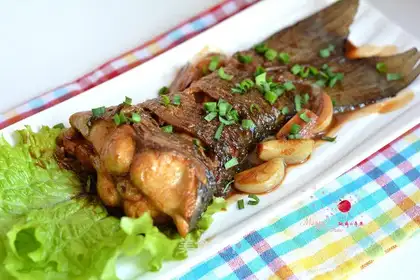
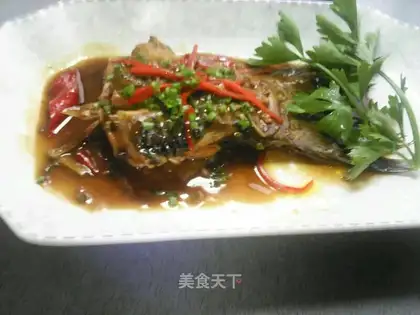
2. Braised Grass Carp Tail
Braising brings out the natural sweetness of the fish tail while keeping it tender. Marinate the tail in soy sauce, ginger, and star anise for 15 minutes, then pan-sear until golden brown. Add broth, reduce heat, and simmer for 20 minutes. Serve with steamed rice.
3. Grilled Fish Tail
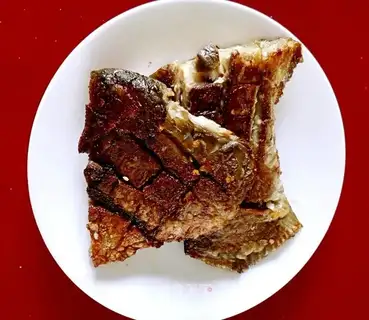
For a healthier, smoky flavor, grill the tail after marinating it in olive oil, lemon juice, and herbs like dill or thyme. Grilling for 10–12 minutes per side ensures the collagen is fully converted into gelatin, making the meat soft and succulent.
Conclusion
Grass carp tail is a nutrient-dense ingredient that offers a host of health benefits, from improving skin elasticity to supporting joint and heart health. Its high collagen, omega-3, and mineral content makes it a valuable addition to a balanced diet, especially when prepared using healthy cooking methods. However, moderation is key—individuals with specific health conditions (e.g., gout, fish allergies) should exercise caution and seek medical advice if needed. By incorporating grass carp tail into meals mindfully, you can enjoy its culinary delights while harnessing its therapeutic potential. As the saying goes, “Good food is the foundation of true happiness,” and the humble grass carp tail is a testament to the power of simple, nourishing ingredients.