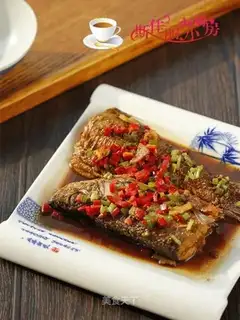
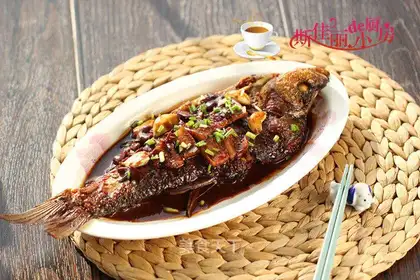
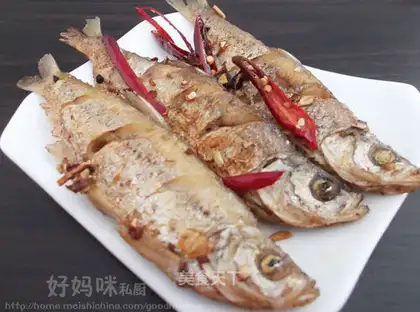
Diaozi fish (Hemiculter leucisculus), also known as “white shad” or “half-fin,” is a small, freshwater fish widely consumed in East and Southeast Asia. Prized for its delicate flavor, affordability, and versatility in culinary applications, this humble fish has long been a staple in traditional diets. Beyond its culinary appeal, Diaozi fish offers a remarkable nutritional profile, boasting high protein content, essential fatty acids, vitamins, and minerals. However, like all foods, it must be consumed mindfully to maximize benefits and avoid potential risks. This article explores the nutritional value, health benefits, and precautions associated with Diaozi fish, providing a comprehensive guide for health-conscious individuals and culinary enthusiasts alike.
Nutritional Value of Diaozi Fish
Diaozi fish is a nutritional powerhouse, packed with macronutrients and micronutrients vital for human health. A 100-gram serving of cooked Diaozi fish (without added fats) provides approximately 18-20 grams of high-quality protein, making it an excellent choice for muscle maintenance, tissue repair, and overall growth. Protein in Diaozi fish is complete, containing all nine essential amino acids (including lysine, methionine, and tryptophan) that the body cannot synthesize independently. This makes it particularly valuable for individuals with increased protein needs, such as athletes, pregnant women, and the elderly.
In addition to protein, Diaozi fish is low in fat, with only 1-2 grams per 100 grams, most of which consists of heart-healthy unsaturated fatty acids. It is rich in omega-3 fatty acids, including eicosapentaenoic acid (EPA) and docosahexaenoic acid (DHA), which are critical for brain function, reducing inflammation, and lowering the risk of cardiovascular diseases. The omega-3 content in Diaozi fish, though lower than in fatty fish like salmon, is still significant, especially considering its low calorie count (around 90-100 calories per 100 grams).
Diaozi fish is also a good source of essential vitamins and minerals. It provides vitamin D, which is crucial for calcium absorption and bone health, and vitamin B12, which supports nerve function and red blood cell formation. The fish is rich in minerals such as phosphorus, selenium, and potassium. Phosphorus works with calcium to strengthen bones and teeth, while selenium acts as a potent antioxidant, protecting cells from oxidative damage. Potassium, on the other hand, helps regulate blood pressure and fluid balance in the body.
Notably, Diaozi fish contains iron, a mineral essential for preventing anemia. While the iron in fish is non-heme (less easily absorbed than heme iron from meat), its bioavailability can be enhanced by consuming it with vitamin C-rich foods like vegetables or citrus fruits. Additionally, the fish is low in sodium, making it suitable for individuals managing hypertension or fluid retention.
Health Benefits of Diaozi Fish
The nutritional composition of Diaozi fish translates to a range of health benefits, from cardiovascular support to cognitive enhancement.
1. Promotes Heart Health
The omega-3 fatty acids in Diaozi fish play a pivotal role in cardiovascular health. EPA and DHA help reduce triglyceride levels, lower blood pressure, and decrease the risk of arrhythmias (irregular heartbeats). These fatty acids also possess anti-inflammatory properties, which can prevent the formation of arterial plaques, a key contributor to atherosclerosis. Studies have shown that regular consumption of omega-3-rich fish is associated with a 30-40% reduction in the risk of heart attack and stroke. For Diaozi fish, its low saturated fat content further enhances its heart-protective effects, making it a healthier alternative to fatty meats or processed foods.
2. Supports Brain Function and Mental Health
DHA, a major omega-3 fatty acid in Diaozi fish, is a primary structural component of the brain and retina. Adequate DHA intake is linked to improved cognitive function, memory retention, and learning abilities. Research suggests that populations with high fish consumption, such as those in Japan and coastal Mediterranean regions, have lower rates of age-related cognitive decline and neurodegenerative diseases like Alzheimer’s. Additionally, omega-3s can help alleviate symptoms of depression and anxiety by reducing inflammation in the brain and regulating neurotransmitter activity. For children and adolescents, DHA is essential for brain development, making Diaozi fish a valuable addition to their diets.
3. Enhances Muscle Growth and Repair
With its high protein content and low calorie count, Diaozi fish is an ideal food for muscle maintenance and growth. Protein provides the building blocks (amino acids) for muscle tissue, making it particularly beneficial for athletes, bodybuilders, and individuals recovering from injuries or surgery. The leucine content in Diaozi fish, an essential amino acid, stimulates muscle protein synthesis, helping to preserve lean mass during weight loss or aging. For older adults, who are prone to sarcopenia (age-related muscle loss), regular consumption of Diaozi fish can help maintain strength and mobility.
4. Strengthens Bones and Teeth
Diaozi fish is a good source of vitamin D and phosphorus, two nutrients that work synergistically to support bone health. Vitamin D enhances calcium absorption in the gut, while phosphorus provides the structural framework for bones and teeth. A deficiency in either nutrient can lead to conditions like rickets in children or osteoporosis in adults. By including Diaozi fish in the diet, individuals can ensure adequate intake of these bone-strengthening minerals, reducing the risk of fractures and bone density loss.
5. Boosts Immune Function
The selenium content in Diaozi fish contributes to a robust immune system. Selenium is a key component of antioxidant enzymes like glutathione peroxidase, which neutralizes harmful free radicals and reduces oxidative stress. This helps protect immune cells from damage, ensuring the body can effectively fight infections and diseases. Additionally, the vitamin D in Diaozi fish modulates immune responses, reducing the risk of autoimmune disorders and chronic inflammation.
6. Aids in Weight Management
Diaozi fish is a low-calorie, high-protein food that can support weight loss and maintenance. Protein increases satiety, reducing hunger and cravings, which helps individuals consume fewer calories overall. A study published in the American Journal of Clinical Nutrition found that high-protein diets promote greater weight loss and fat loss compared to high-carbohydrate diets, even when calorie intake is equal. By replacing high-calorie, low-nutrient foods with Diaozi fish, individuals can achieve their weight goals while meeting their nutritional needs.
Precautions and Potential Risks
While Diaozi fish offers numerous health benefits, certain precautions must be taken to avoid adverse effects.
1. Mercury Contamination
Like many fish, Diaozi fish may contain mercury, a toxic metal that accumulates in the food chain. Mercury exposure can cause neurological damage, especially in developing fetuses, young children, and pregnant women. However, Diaozi fish is a small, short-lived fish, which typically has lower mercury levels compared to large, predatory fish like shark or swordfish. To minimize risk, it is advisable to consume Diaozi fish in moderation (1-2 servings per week) and opt for smaller individuals, which tend to have lower mercury concentrations. Pregnant women, nursing mothers, and young children should consult their healthcare providers before including Diaozi fish in their diets.
2. Allergic Reactions
Fish allergies are among the most common food allergies, and Diaozi fish can trigger allergic reactions in sensitive individuals. Symptoms may include hives, itching, swelling, difficulty breathing, or anaphylaxis in severe cases. People with known fish allergies should avoid Diaozi fish entirely. For those unsure of their sensitivity, a small test portion can be consumed under medical supervision.
3. Purine Content
Diaozi fish contains purines, natural compounds that break down into uric acid in the body. High uric acid levels can lead to gout, a painful form of arthritis characterized by joint inflammation. Individuals with gout or a history of kidney stones should limit their intake of Diaozi fish, as excessive purine consumption can trigger flare-ups. Cooking methods also matter: boiling or steaming Diaozi fish reduces purine levels compared to frying, which can concentrate them.
4. Food Safety and Preparation
As with all seafood, proper handling and cooking of Diaozi fish are essential to prevent foodborne illnesses. Raw or undercooked Diaozi fish may harbor bacteria like Salmonella or parasites like Anisakis, which can cause infections. To ensure safety, Diaozi fish should be cooked to an internal temperature of 145°F (63°C) and stored at or below 40°F (4°C). Additionally, sourcing Diaozi fish from clean, uncontaminated waters is crucial to avoid exposure to pollutants like heavy metals or pesticides.
5. Interaction with Medications
Diaozi fish’s omega-3 content may interact with certain medications, particularly blood thinners like warfarin. Omega-3s have mild anticoagulant properties, and combining them with blood thinners can increase the risk of bleeding. Individuals taking such medications should consult their healthcare providers before increasing their Diaozi fish intake.
Conclusion
Diaozi fish is a nutritional gem that offers a host of health benefits, from supporting heart and brain health to aiding in weight management and muscle growth. Its high protein, omega-3, and vitamin content make it a valuable addition to a balanced diet, particularly for those seeking affordable and nutritious food options. However, mindful consumption is key to avoiding potential risks such as mercury exposure, allergic reactions, and purine-related issues. By sourcing high-quality Diaozi fish, cooking it properly, and consuming it in moderation, individuals can harness its full potential while minimizing adverse effects. Whether steamed, grilled, or stewed, Diaozi fish is a delicious and wholesome choice that embodies the adage “food is medicine.” As research continues to uncover the health benefits of this humble fish, it is likely to remain a staple in diets worldwide for generations to come.