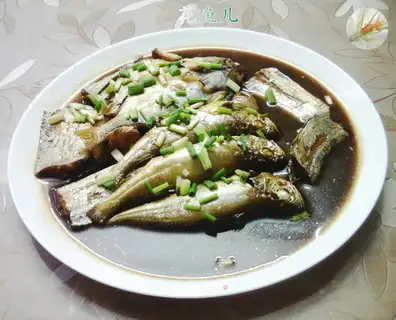
When it comes to versatile and nutrient-rich seafood, pomfret (known as bairam in some regions) stands out as a prized catch in coastal cuisines worldwide. With its delicate, white flesh, mild flavor, and flat, disc-shaped body, this fish is not only a culinary delight but also a nutritional powerhouse. Whether grilled, steamed, or fried, pomfret offers a wealth of health benefits, from supporting heart health to boosting brain function. However, like all foods, it must be consumed mindfully to avoid potential risks. This article explores the nutritional profile, health benefits, and precautions associated with pomfret consumption, providing a comprehensive guide for seafood enthusiasts and health-conscious individuals alike.
Nutritional Profile of Pomfret
Pomfret is a low-calorie, high-protein fish packed with essential vitamins and minerals, making it an excellent addition to a balanced diet. A 100-gram serving of raw pomfret typically contains:
- Protein: Approximately 18–20 grams, providing all nine essential amino acids necessary for muscle repair, immune function, and overall growth. Protein is vital for satiety, making pomfret a great choice for weight management.
- Healthy Fats: Pomfret is rich in omega-3 fatty acids, particularly EPA (eicosapentaenoic acid) and DHA (docosahexaenoic acid). These polyunsaturated fats are crucial for reducing inflammation, supporting heart health, and promoting brain development. A 100-gram serving may contain 0.5–1 gram of omega-3s, depending on the fish’s diet and habitat.
- Vitamins:
- Vitamin D: Pomfret is one of the few natural food sources of vitamin D, which regulates calcium absorption, bone health, and immune function. A single serving can provide 10–15% of the daily recommended intake.
- Vitamin B12: Essential for nerve function and red blood cell formation, vitamin B12 is abundant in pomfret, with a 100-gram serving covering over 50% of the daily requirement.
- Vitamin B6: Supports metabolism, brain health, and the production of neurotransmitters like serotonin.
- Minerals:
- Selenium: A powerful antioxidant that protects cells from damage and supports thyroid function. Pomfret is an excellent source, with one serving providing 30–40% of the daily value.
- Phosphorus: Critical for bone and teeth health, as well as energy production.
- Iron: Pomfret contains heme iron, which is more easily absorbed by the body than non-heme iron, helping prevent iron deficiency anemia.
- Low in Calories: With only 90–120 calories per 100 grams, pomfret is a lean protein source, ideal for those monitoring their calorie intake.
Health Benefits of Pomfret
The combination of protein, omega-3s, and micronutrients in pomfret contributes to a range of health benefits, making it a standout choice in preventive nutrition.
1. Supports Heart Health
Omega-3 fatty acids in pomfret are well-documented for their cardioprotective effects. They reduce triglycerides (a type of fat in the blood), lower blood pressure, and decrease the risk of arrhythmias (irregular heartbeats). Additionally, omega-3s inhibit the formation of arterial plaques, reducing the risk of atherosclerosis and heart attacks. A study published in the Journal of the American Heart Association found that regular consumption of omega-3-rich fish like pomfret can lower the risk of fatal coronary heart disease by up to 36%.
2. Enhances Brain Function and Mental Health
DHA, a key omega-3 in pomfret, is a primary structural component of the brain and retina. It supports cognitive function, memory, and learning, particularly in children and older adults. Research suggests that adequate DHA intake may reduce the risk of age-related cognitive decline and neurodegenerative diseases like Alzheimer’s. Moreover, omega-3s have been linked to improved mood and reduced symptoms of depression and anxiety. A 2018 meta-analysis in Translational Psychiatry confirmed that omega-3 supplementation significantly alleviates depressive symptoms, highlighting pomfret’s role in mental health.
3. Promotes Muscle Growth and Repair
With its high-quality protein content, pomfret is an ideal food for athletes, older adults, and anyone looking to maintain or build muscle. Protein provides the amino acids needed for muscle protein synthesis, which is essential after exercise or during periods of muscle loss (e.g., sarcopenia in the elderly). A 100-gram serving of pomfret delivers nearly 20 grams of protein, comparable to lean cuts of chicken or beef but with less saturated fat.
4. Strengthens Bones and Teeth
Pomfret’s vitamin D and calcium content work synergistically to bone health. Vitamin D enhances calcium absorption in the gut, while calcium and phosphorus (also abundant in pomfret) form the structural framework of bones and teeth. Regular consumption may reduce the risk of osteoporosis and fractures, especially in postmenopausal women and older adults.
5. Boosts Immune Function
Selenium and vitamin B12 in pomfret play critical roles in immune regulation. Selenium acts as an antioxidant, neutralizing free radicals that can damage immune cells, while vitamin B12 supports the production of white blood cells, which defend the body against infections. A study in the International Journal of Molecular Sciences found that selenium deficiency impairs immune responses, underscoring the importance of selenium-rich foods like pomfret.
6. Aids in Weight Management
Pomfret’s low-calorie, high-protein, and high-fiber (when paired with vegetables) profile makes it a valuable food for weight loss. Protein increases satiety, reducing overall calorie intake, while omega-3s may enhance fat metabolism. A 2020 study in Obesity Reviews linked high-protein diets to greater fat loss and muscle retention during weight reduction.
Precautions and Potential Risks of Pomfret Consumption
While pomfret offers numerous health benefits, certain precautions must be taken to ensure safe consumption, particularly regarding mercury levels, freshness, and individual health conditions.
1. Mercury Content
Like many large predatory fish, pomfret (especially larger species) may contain varying levels of methylmercury, a toxic heavy metal that accumulates in the food chain. High mercury intake can impair neurological development in children, cause cognitive deficits in adults, and affect kidney function. To minimize risk:
- Choose smaller pomfret: Smaller fish generally have lower mercury levels.
- Limit consumption: The U.S. Food and Drug Administration (FDA) recommends eating 2–3 servings of low-mercury fish per week, with one serving being 100–150 grams.
- Avoid raw pomfret: Raw or undercooked pomfret may contain higher mercury levels or parasites; cooking reduces mercury bioavailability and kills pathogens.
2. Freshness and Spoilage
Pomfret is highly perishable due to its high fat content, which can oxidize quickly. Spoiled fish may contain histamine, a compound that causes scombroid poisoning (symptoms include flushing, headaches, and nausea). To ensure freshness:
- Check appearance: Look for clear eyes, shiny skin, and firm flesh. Avoid fish with dull eyes, discolored skin, or a strong ammonia odor.
- Store properly: Keep pomfret refrigerated at 0–4°C and consume within 1–2 days of purchase. For longer storage, freeze it at -18°C for up to 3 months.
3. Allergies
Fish allergies are among the most common food allergies, with symptoms ranging from mild (hives, itching) to severe (anaphylaxis). Individuals with a known fish allergy should avoid pomfret entirely. Cross-reactivity between fish species is common, so those allergic to one type of fish may react to others.
4. Purine Content
Pomfret is moderate in purines, compounds that break down into uric acid. High uric acid levels can trigger gout, a painful form of arthritis in susceptible individuals. People with gout or kidney problems should limit their intake of purine-rich foods, including pomfret, and consult a healthcare provider for personalized advice.
5. Preparation Methods Matter
The health benefits of pomfret can be negated by unhealthy cooking methods. Deep-frying adds excessive calories and unhealthy fats, while excessive use of salt can increase blood pressure. Opt for healthier cooking methods like steaming, grilling, baking, or pan-searing with minimal oil. Pair pomfret with vegetables or whole grains to enhance its nutritional value.
Conclusion
Pomfret is a nutritional treasure, offering a unique blend of high-quality protein, omega-3 fatty acids, and essential vitamins and minerals that support heart health, brain function, muscle growth, and immune strength. Its mild flavor and versatility make it a favorite in global cuisines, from Indian curries to Chinese steamed dishes. However, mindful consumption is key to avoiding risks such as mercury exposure, spoilage, and allergic reactions. By choosing fresh, smaller pomfret, preparing it healthily, and limiting intake for those with specific health conditions, individuals can enjoy this fish as a delicious and nutritious staple of a balanced diet. Whether you’re a seafood lover or seeking to enhance your health, pomfret is a smart choice that delivers both flavor and wellness.