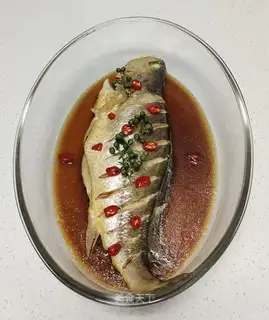
Among the myriad of seafood treasures that grace global tables, the yellow croaker (Larimichthys spp.) stands out as a nutritional and culinary gem. Revered for its delicate flavor, tender flesh, and cultural significance across East Asia, this fish is more than just a delicious meal—it is a powerhouse of nutrients, offering a range of health benefits while requiring mindful consumption to avoid potential risks. This article explores the nutritional value of yellow croaker, its diverse health benefits, and important dietary precautions to ensure safe and enjoyable consumption.
I. Nutritional Profile of Yellow Croaker
Yellow croaker, commonly found in the coastal waters of the Pacific Ocean, is a nutrient-dense fish that packs a high concentration of essential vitamins, minerals, proteins, and healthy fats. Its nutritional composition makes it a standout choice for individuals seeking to enhance their diet with wholesome, natural ingredients.
1. High-Quality Protein
Protein is the building block of life, essential for muscle repair, immune function, and overall growth. Yellow croaker is an excellent source of lean protein, with a 100-gram serving providing approximately 18–20 grams of protein—comparable to other popular fish like salmon or cod. Unlike fatty meats, yellow croaker’s protein is low in saturated fat, making it an ideal option for heart-healthy diets. The amino acid profile of yellow croaker is also well-balanced, containing all nine essential amino acids that the human body cannot produce independently.
2. Omega-3 Fatty Acids
One of the most celebrated nutritional components of yellow croaker is its omega-3 fatty acid content, particularly eicosapentaenoic acid (EPA) and docosahexaenoic acid (DHA). These polyunsaturated fats are critical for brain health, reducing inflammation, and supporting cardiovascular function. A 100-gram serving of yellow croaker provides around 200–300 milligrams of EPA and DHA, which is 15–20% of the daily recommended intake for most adults. Omega-3s have been linked to improved cognitive function, a lower risk of depression, and reduced triglyceride levels, making yellow croaker a valuable addition to diets aimed at preventing chronic diseases.
3. Essential Vitamins and Minerals
Yellow croaker is rich in micronutrients that play vital roles in bodily functions:
- Vitamin D: Often called the “sunshine vitamin,” vitamin D is crucial for calcium absorption, bone health, and immune regulation. Yellow croaker is one of the few dietary sources of vitamin D, with a 100-gram serving providing approximately 15–20% of the daily recommended intake.
- Vitamin B12: This vitamin is essential for nerve function, DNA synthesis, and the formation of red blood cells. A single serving of yellow croaker can cover over 50% of the daily B12 requirement, making it particularly beneficial for vegetarians or individuals with B12 deficiencies.
- Selenium: A powerful antioxidant, selenium protects cells from oxidative damage, supports thyroid function, and boosts immune health. Yellow croaker is an abundant source of selenium, with 100 grams providing around 60–80 micrograms—more than the daily recommended intake for most adults.
- Iron and Zinc: These minerals are vital for oxygen transport (iron) and immune function (zinc). Yellow croaker contains heme iron, the more easily absorbed form of iron, making it a valuable food for preventing anemia.
4. Low in Calories and Unhealthy Fats
For those watching their weight or managing calorie intake, yellow croaker is an excellent choice. A 100-gram serving contains only 90–120 calories, depending on the cooking method. It is also low in saturated fat and cholesterol, making it a heart-healthy alternative to red meat or processed meats.
II. Health Benefits of Yellow Croaker
The impressive nutritional profile of yellow croaker translates into a range of health benefits, from supporting brain health to reducing the risk of chronic diseases.
1. Cardiovascular Health
The omega-3 fatty acids in yellow croaker are well-known for their cardioprotective effects. EPA and DHA help lower blood pressure, reduce triglyceride levels, decrease inflammation in blood vessels, and prevent the formation of blood clots. Regular consumption of yellow croaker has been associated with a lower risk of heart attack, stroke, and arrhythmia. Additionally, its low saturated fat content helps maintain healthy cholesterol levels, further promoting heart health.
2. Brain and Cognitive Function
Omega-3s, particularly DHA, are abundant in the brain and play a critical role in maintaining cognitive function, memory, and mood. Studies have shown that diets rich in DHA may reduce the risk of age-related cognitive decline, Alzheimer’s disease, and depression. The vitamin B12 in yellow croaker also supports nerve health, helping to prevent neurological disorders such as peripheral neuropathy.
3. Immune System Support
Yellow croaker’s high selenium and zinc content makes it a powerful immune booster. Selenium enhances the activity of antioxidant enzymes that protect cells from damage, while zinc is essential for the development and function of immune cells. Regular consumption of yellow croaker can help the body fight off infections, reduce inflammation, and recover more quickly from illnesses.
4. Bone Health
The combination of vitamin D, calcium, and phosphorus in yellow croaker makes it beneficial for bone health. Vitamin D enhances calcium absorption, while phosphorus works with calcium to build and maintain strong bones. For older adults, who are at a higher risk of osteoporosis, incorporating yellow croaker into the diet may help preserve bone density and reduce the risk of fractures.
5. Skin and Hair Health
The omega-3 fatty acids and vitamin E in yellow croaker contribute to healthy, glowing skin and strong hair. Omega-3s help maintain the skin’s lipid barrier, preventing dryness and inflammation, while vitamin E acts as an antioxidant, protecting skin cells from UV damage and aging. Additionally, the protein in yellow croaker provides the amino acids needed for collagen production, which keeps skin firm and elastic.
III. Precautions and Potential Risks
While yellow croaker is a highly nutritious food, there are certain precautions to keep in mind to ensure safe consumption, particularly regarding mercury levels, allergies, and sustainability.
1. Mercury Content
Like many predatory fish, yellow croaker contains trace amounts of mercury, which can accumulate in the body over time and cause neurological damage, especially in pregnant women, nursing mothers, and young children. However, yellow croaker is generally considered a low-mercury fish compared to larger species like shark or swordfish. The U.S. Food and Drug Administration (FDA) recommends consuming 2–3 servings of low-mercury fish per week, which can include yellow croaker. Pregnant women and children should limit their intake to 1–2 servings per week and avoid consuming it raw.
2. Allergies
Fish allergies are among the most common food allergies, and yellow croaker can trigger allergic reactions in sensitive individuals. Symptoms may include hives, swelling, difficulty breathing, or anaphylaxis in severe cases. Those with a known fish allergy should avoid yellow croaker entirely. If you are unsure whether you have a fish allergy, consult a healthcare provider before consuming it.
3. Sustainability and Environmental Concerns
Overfishing has become a significant threat to yellow croaker populations, particularly in the wild. To ensure the long-term availability of this fish, it is important to choose sustainably sourced yellow croaker. Look for certifications from organizations like the Marine Stewardship Council (MSC) or opt for farmed yellow croaker from reputable suppliers who use environmentally friendly practices. Avoid consuming juvenile yellow croaker or those caught during spawning seasons to allow populations to replenish.
4. Proper Cooking Methods
Yellow croaker should be cooked thoroughly to kill harmful bacteria and parasites. Raw or undercooked yellow croaker may pose a risk of foodborne illnesses, such as salmonella or listeria. Grilling, baking, steaming, or pan-searing are healthy cooking methods that preserve its nutritional value while ensuring safety. Avoid deep-frying, as it can destroy the omega-3 fatty acids and add unhealthy fats.
5. Interaction with Medications
Yellow croaker’s high vitamin K content may interact with blood-thinning medications like warfarin, as vitamin K plays a role in blood clotting. Individuals taking such medications should consult their doctor before increasing their intake of yellow croaker to ensure it does not interfere with their treatment.
IV. Culinary Uses and Cultural Significance
Beyond its nutritional and health benefits, yellow croaker is a culinary delight in many cultures. In China, it is a staple in coastal regions, often steamed with ginger and scallions to preserve its delicate flavor. In Japan, it is used to make shioyaki (grilled salted fish) and nigiri sushi. In Korea, it is fermented to make jeotgal, a traditional side dish rich in probiotics.
Yellow croaker’s mild, slightly sweet flavor and tender flesh make it versatile in the kitchen. It can be grilled, baked, steamed, or pan-fried, and pairs well with a variety of seasonings, including soy sauce, citrus, and herbs. Its small size and delicate bones also make it easy to prepare, making it a popular choice for home cooks and professional chefs alike.
V. Conclusion
Yellow croaker is more than just a delicious fish—it is a nutritional powerhouse that offers a wide range of health benefits, from supporting heart and brain health to boosting the immune system. Its high protein, omega-3, and micronutrient content make it an excellent addition to a balanced diet, while its mild flavor and versatility in the kitchen ensure it remains a favorite among seafood lovers.
However, mindful consumption is key to enjoying yellow croaker safely. By choosing sustainably sourced fish, cooking it properly, and being aware of potential risks such as mercury and allergies, individuals can reap the benefits of this superfood without compromising their health. Whether steamed, grilled, or fermented, yellow croaker continues to be a cherished ingredient that nourishes both body and soul, bridging the gap between culinary tradition and modern nutrition.