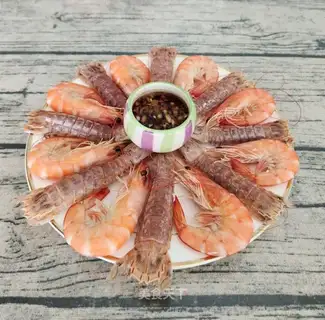
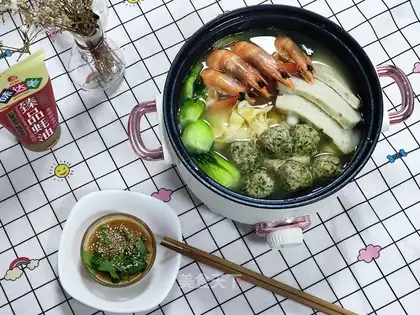
Penaeus vannamei, commonly known as the whiteleg shrimp or Pacific white shrimp, is one of the most widely consumed and farmed crustaceans globally. Renowned for its delicate flavor, firm texture, and adaptability to various cooking methods, this humble seafood has earned a permanent place in cuisines from Asia to the Americas. Beyond its culinary appeal, Penaeus vannamei is a nutritional powerhouse, offering a wealth of essential nutrients that support human health. However, like all foods, it must be consumed mindfully to avoid potential risks. This article delves into the nutritional profile, health benefits, and precautions associated with consuming Penaeus vannamei, providing a comprehensive guide for seafood enthusiasts and health-conscious individuals alike.
I. Nutritional Profile of Penaeus vannamei
Penaeus vannamei is a low-calorie, high-protein food packed with vitamins, minerals, and bioactive compounds, making it an excellent addition to a balanced diet. A 100-gram serving of cooked, raw Penaeus vannamei (approximately 4-5 medium-sized shrimp) contains approximately:
- Protein: 20-22 grams, providing all nine essential amino acids (lysine, leucine, valine, etc.), crucial for muscle repair, immune function, and enzyme synthesis.
- Fat: 1-2 grams, mostly composed of heart-healthy unsaturated fats, including omega-3 fatty acids like EPA (eicosapentaenoic acid) and DHA (docosahexaenoic acid).
- Calories: 85-100 calories, making it a lean protein source ideal for weight management.
- Vitamins:
- Vitamin B12: 2.5 micrograms (over 100% of the daily recommended intake), essential for nerve function, DNA synthesis, and red blood cell formation.
- Selenium: 36 micrograms (over 60% of the daily value), a potent antioxidant that supports thyroid health and immune function.
- Vitamin E: 2 milligrams (10% of the daily value), which protects cells from oxidative damage.
- Niacin (B3): 2.5 milligrams (15% of the daily value), important for energy metabolism and skin health.
- Minerals:
- Iodine: 35 micrograms (23% of the daily value), critical for thyroid hormone production.
- Phosphorus: 200 milligrams (20% of the daily value), which supports bone health and cellular energy transfer.
- Zinc: 1.5 milligrams (15% of the daily value), vital for immune function and wound healing.
- Copper: 0.3 milligrams (30% of the daily value), aiding in iron absorption and antioxidant defense.
- Bioactive Compounds: Shrimp contains astaxanthin, a carotenoid responsible for its pinkish color, which has potent anti-inflammatory and antioxidant properties. Additionally, it contains chitosan, a fiber-like compound that may support cholesterol management.
II. Health Benefits of Consuming Penaeus vannamei
The rich nutrient composition of Penaeus vannamei translates to numerous health benefits, ranging from cardiovascular support to cognitive enhancement.
1. Supports Muscle Growth and Repair
As a complete protein source, Penaeus vannamei provides all essential amino acids required for muscle protein synthesis. This makes it particularly beneficial for athletes, older adults (to combat sarcopenia), and individuals recovering from illness or injury. The high protein content also promotes satiety, aiding in weight management by reducing overall calorie intake.
2. Promotes Heart Health
Penaeus vannamei is low in saturated fat and rich in omega-3 fatty acids (EPA and DHA), which have been extensively studied for their cardiovascular benefits. Omega-3s reduce triglyceride levels, lower blood pressure, decrease inflammation, and prevent the formation of blood clots, thereby reducing the risk of heart attacks and strokes. The selenium in shrimp also supports heart health by protecting against oxidative stress and reducing arterial plaque buildup.
3. Enhances Brain Function and Mental Health
The omega-3 fatty acids in Penaeus vannamei are critical for brain development and function. DHA, in particular, is a major structural component of the brain and retina, supporting cognitive function, memory, and mood regulation. Studies suggest that adequate omega-3 intake may reduce the risk of neurodegenerative diseases like Alzheimer’s and depression. Additionally, vitamin B12 deficiency is linked to cognitive decline, and shrimp’s high B12 content helps maintain neurological health.
4. Boosts Immune System
Penaeus vannamei is a rich source of zinc, selenium, and vitamin B12—all of which play key roles in immune function. Zinc supports the development and activation of immune cells, while selenium enhances antioxidant defenses and reduces inflammation. Vitamin B12 is essential for producing white blood cells, which defend the body against infections. Regular consumption of shrimp may help strengthen the immune system, especially during periods of stress or illness.
5. Supports Thyroid Health
Selenium is a critical component of thyroid hormones, which regulate metabolism, growth, and development. Penaeus vannamei’s high selenium content ensures optimal thyroid function, preventing conditions like hypothyroidism (underactive thyroid) and goiter.
6. Improves Bone and Joint Health
Shrimp is an excellent source of phosphorus, calcium, and vitamin D (when consumed with other vitamin D-rich foods or exposed to sunlight). These nutrients work together to maintain bone density and prevent osteoporosis. Additionally, the chitosan in shrimp may help reduce joint inflammation and alleviate symptoms of arthritis.
7. Provides Antioxidant Protection
Astaxanthin, the carotenoid that gives Penaeus vannamei its color, is a powerful antioxidant that neutralizes free radicals, reducing oxidative stress and cellular damage. This may lower the risk of chronic diseases such as cancer, diabetes, and age-related macular degeneration. Astaxanthin also has anti-inflammatory properties, which can benefit skin health and reduce the signs of aging.
III. Precautions and Potential Risks
While Penaeus vannamei offers numerous health benefits, it is important to consume it responsibly to avoid potential adverse effects.
1. Allergic Reactions
Shellfish allergy is one of the most common food allergies, affecting approximately 2-3% of adults worldwide. Allergic reactions to shrimp can range from mild (hives, itching, swelling) to severe (anaphylaxis, difficulty breathing, and shock). Individuals with a known shellfish allergy should strictly avoid Penaeus vannamei and carry an epinephrine auto-injector if necessary.
2. Mercury and Contaminant Exposure
Unlike larger predatory fish (e.g., shark, swordfish), Penaeus vannamei is low in mercury due to its short lifespan and position lower in the food chain. However, farmed shrimp may be exposed to contaminants such as antibiotics, pesticides, and heavy metals (e.g., cadmium, lead) if raised in polluted waters. To minimize risk, consumers should choose shrimp from reputable sources, opt for wild-caught or certified organic farmed shrimp, and avoid shrimp from regions with known environmental contamination.
3. Sodium Content
Frozen or processed shrimp (e.g., breaded, pre-cooked) often contains high levels of sodium, which can contribute to high blood pressure and cardiovascular disease. To reduce sodium intake, consumers should choose fresh or frozen shrimp without added salt and avoid processed varieties. A 100-gram serving of raw shrimp contains approximately 100-200 milligrams of sodium, but this can increase to over 500 milligrams in seasoned or frozen products.
4. Purine Levels
Shrimp is high in purines, natural compounds that break down into uric acid in the body. Excess uric acid can lead to gout, a painful form of arthritis, especially in individuals with pre-existing kidney problems or a history of gout. People with gout or kidney disease should limit their shrimp intake to 2-3 servings per week and consult a healthcare provider for personalized advice.
5. Food Safety and Handling
Improper handling of shrimp can lead to bacterial contamination (e.g., Vibrio, Salmonella), causing food poisoning. To ensure safety:
- Purchase fresh or frozen shrimp from reputable suppliers.
- Store shrimp at 0-4°C (32-39°F) and consume within 1-2 days of purchase.
- Thaw frozen shrimp in the refrigerator (not at room temperature) to prevent bacterial growth.
- Cook shrimp thoroughly until they reach an internal temperature of 70°C (158°F) and turn pink and opaque.
IV. Culinary Uses and Sustainability
Penaeus vannamei’s mild flavor and firm texture make it a versatile ingredient in countless dishes. It can be grilled, boiled, steamed, sautéed, or stir-fried, and pairs well with herbs, spices, and sauces like garlic, lemon, and chili. Popular dishes include shrimp scampi, grilled shrimp skewers, shrimp stir-fry, and shrimp tacos.
When selecting shrimp, consumers should prioritize sustainability to minimize environmental impact. Overfishing and destructive aquaculture practices have threatened wild shrimp populations, but certifications like the Marine Stewardship Council (MSC) for wild-caught shrimp and the Aquaculture Stewardship Council (ASC) for farmed shrimp ensure that seafood is sourced responsibly. Additionally, choosing shrimp from farms that avoid antibiotics and use eco-friendly practices helps protect marine ecosystems.
V. Conclusion
Penaeus vannamei is more than just a delicious seafood—it is a nutritional powerhouse that supports muscle growth, heart health, brain function, and immune system activity. Its high protein, omega-3, and mineral content make it an excellent choice for individuals seeking to maintain a healthy, balanced diet. However, like all foods, it must be consumed mindfully to avoid risks such as allergic reactions, contaminant exposure, and high sodium intake. By choosing high-quality, sustainably sourced shrimp and handling it safely, consumers can enjoy its numerous benefits while minimizing potential drawbacks. Whether grilled, steamed, or stir-fried, Penaeus vannamei remains a timeless and nutritious addition to global cuisine.