Introduction
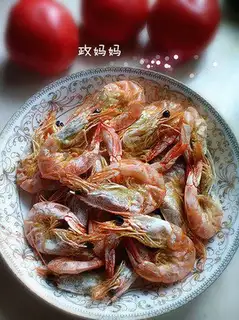
Dried shrimp, a staple in culinary traditions across Asia, Europe, and Latin America, has been valued for centuries not only for its intense umami flavor but also its impressive nutritional profile. Created by drying fresh shrimp through sun-drying, smoking, or commercial dehydration, this tiny ingredient transforms into a concentrated source of protein, vitamins, and minerals. Whether used in broths, stir-fries, or condiments, dried shrimp offers a unique blend of taste and health benefits. However, like all foods, it must be consumed mindfully to avoid potential risks. This article explores the nutritional value of dried shrimp, its evidence-based health benefits, and important considerations for safe consumption.
Nutritional Value of Dried Shrimp
Dried shrimp is a nutritional powerhouse, with its composition significantly concentrated due to the removal of moisture. While nutritional values vary slightly by species and processing methods, a 100-gram serving of typically dried shrimp contains approximately:
1. High-Quality Protein
Dried shrimp is an excellent source of complete protein, providing all nine essential amino acids that the body cannot produce independently. A 100-gram serving contains around 20–25 grams of protein, making it a valuable option for vegetarians, vegans, or individuals looking to boost protein intake without consuming meat. Protein is crucial for muscle repair, immune function, and enzyme production, and the bioavailability of protein in dried shrimp is high due to its minimal processing.
2. Essential Vitamins
- Vitamin B12: Dried shrimp is one of the richest natural sources of vitamin B12, a nutrient vital for nerve function, DNA synthesis, and red blood cell formation. A 100-gram serving can provide over 200% of the daily recommended intake (DRI), making it particularly beneficial for individuals at risk of B12 deficiency, such as vegans or the elderly.
- Vitamin D: Though less abundant than B12, dried shrimp contains moderate amounts of vitamin D, which supports calcium absorption, bone health, and immune regulation.
- Niacin (B3) and Riboflavin (B2): These B vitamins play key roles in energy metabolism and maintaining healthy skin and eyes.
3. Minerals
- Selenium: A potent antioxidant, selenium is abundant in dried shrimp. It protects cells from oxidative damage, supports thyroid function, and enhances immune response. Just 100 grams can meet or exceed the DRI for selenium.
- Phosphorus: Essential for bone and teeth health, phosphorus also aids in energy production and cell repair. Dried shrimp provides around 30–40% of the DRI per 100 grams.
- Iron: While not as high as in red meat, dried shrimp contains non-heme iron, which is better absorbed when paired with vitamin C (e.g., in a dish with tomatoes or bell peppers). Iron is critical for preventing anemia and transporting oxygen throughout the body.
- Zinc and Copper: These minerals support immune function, wound healing, and antioxidant defense. Dried shrimp is a particularly good source of zinc, with 100 grams providing 15–20% of the DRI.
4. Low in Fat and Carbohydrates
Dried shrimp is naturally low in fat (containing only 1–2 grams per 100 grams) and carbohydrates, making it a suitable option for low-calorie, low-carb, or keto diets. The small amount of fat it does contain includes heart-healthy unsaturated fatty acids.
5. Umami Compounds
The drying process intensifies the umami flavor of shrimp, thanks to high levels of glutamic acid. This amino acid stimulates taste receptors, enhancing the palatability of dishes and potentially reducing the need for excessive salt or artificial flavorings.
Health Benefits of Dried Shrimp
The nutrient density of dried shrimp translates to several evidence-based health benefits:
1. Supports Muscle Maintenance and Growth
The high-quality protein in dried shrimp provides the building blocks for muscle tissue, making it an ideal food for athletes, older adults (to combat sarcopenia), or anyone recovering from injury. Protein also promotes satiety, aiding in weight management by reducing overall calorie intake.
2. Boosts Immune Function
Dried shrimp’s combination of selenium, zinc, and vitamin B12 creates a synergistic effect on immune health. Selenium enhances the activity of immune cells, while zinc deficiency is linked to impaired immune response. Vitamin B12, meanwhile, supports the production of white blood cells. Regular consumption may help reduce the risk of infections and support faster recovery from illness.
3. Promotes Bone Health
The calcium, phosphorus, and vitamin D content in dried shrimp work together to maintain bone density. Calcium provides structural support, phosphorus aids in bone mineralization, and vitamin D ensures efficient calcium absorption. This trio is particularly important for postmenopausal women, who are at higher risk of osteoporosis.
4. Enhances Brain and Nerve Function
Vitamin B12 is critical for maintaining the myelin sheath that protects nerve fibers and supports neurotransmitter production. Deficiency can lead to cognitive decline, numbness, or fatigue. Dried shrimp’s high B12 content makes it a valuable food for preserving brain health, especially as we age.
5. Provides Antioxidant Protection
Selenium and, to a lesser extent, zinc act as antioxidants, neutralizing free radicals that cause cellular damage. Oxidative stress is linked to chronic diseases like heart disease, cancer, and neurodegenerative disorders. By reducing oxidative stress, dried shrimp may help lower the risk of these conditions.
6. Supports Thyroid Health
Selenium is a key component of thyroid enzymes that regulate hormone production. Adequate selenium intake is associated with a lower risk of thyroid disorders, such as Hashimoto’s thyroiditis and hypothyroidism. Dried shrimp can be a convenient way to meet selenium needs, especially in regions where selenium-rich foods (e.g., Brazil nuts) are less accessible.
Potential Risks and Precautions
While dried shrimp offers numerous health benefits, it is important to consume it in moderation and be aware of potential risks:
1. High Sodium Content
Drying often involves salting to preserve shrimp, resulting in a high sodium content. A 100-gram serving of dried shrimp can contain 1,500–2,000 milligrams of sodium, exceeding the American Heart Association’s recommended daily limit of 2,300 milligrams (and ideal limit of 1,500 milligrams for those with hypertension). Excessive sodium intake is linked to high blood pressure, heart disease, and stroke. Mitigation: Soak dried shrimp in water for 15–30 minutes before use to reduce sodium by 30–50%. Use it sparingly in dishes and balance with low-sodium ingredients like vegetables, whole grains, and lean proteins.
2. Allergen Concerns
Shrimp is one of the top eight food allergens, and dried shrimp retains the same allergenic proteins (e.g., tropomyosin). Allergic reactions can range from mild (hives, itching) to severe (anaphylaxis, difficulty breathing). Individuals with shellfish allergies should avoid dried shrimp entirely. Note: Cross-contamination is possible in processing facilities, so those with severe allergies should choose products with strict allergen labeling.
3. Heavy Metal Contamination
Shrimp, especially wild-caught varieties, may accumulate heavy metals like mercury, cadmium, or lead from polluted waters. While dried shrimp is less likely to contain high mercury levels than large predatory fish (e.g., tuna), long-term consumption of contaminated products may pose health risks. Mitigation: Choose reputable brands that source shrimp from clean waters and test for heavy metals. Limit intake to 2–3 times per week.
4. Purine Content and Gout Risk
Dried shrimp is high in purines, compounds that break down into uric acid. In individuals with gout or hyperuricemia, excessive purine intake can trigger painful joint inflammation. A 100-gram serving of dried shrimp contains 300–500 milligrams of purines, exceeding the recommended limit of 100–200 milligrams per day for those with gout. Mitigation: People with gout should avoid dried shrimp or consume it very rarely (e.g., once a month in small portions).
5. Additives and Preservatives
Some commercially dried shrimp may contain additives such as sulfites (to prevent discoloration) or artificial preservatives. Sulfites can cause adverse reactions in sensitive individuals, including headaches, asthma attacks, or skin rashes. Mitigation: Read ingredient labels and choose products with no added sulfites or preservatives. Opt for naturally dried shrimp when possible.
Culinary Uses and Tips for Incorporation
Dried shrimp is a versatile ingredient that can be added to a variety of dishes:
- Broths and Soups: Soak and chop dried shrimp to enhance the umami flavor of miso soup, pho, or congee.
- Stir-fries and Sauces: Rehydrate dried shrimp and mince it to mix into stir-fries, dumpling fillings, or dipping sauces (e.g., XO sauce).
- Rice and Grain Dishes: Add finely chopped dried shrimp to fried rice, pilaf, or risotto for added texture and flavor.
- Salads and Garnishes: Lightly toast dried shrimp and crush it over salads or noodle dishes for a crunchy, savory topping.
Storage Tip: Store dried shrimp in an airtight container in a cool, dark place (e.g., pantry or refrigerator) to prevent moisture absorption and spoilage. Properly stored, it can last for 6–12 months.
Conclusion
Dried shrimp is a nutrient-dense ingredient that offers a wealth of health benefits, from supporting muscle growth and immune function to enhancing bone and brain health. Its high protein, vitamin, and mineral content makes it a valuable addition to a balanced diet. However, its high sodium, purine, and potential allergen content require mindful consumption. By soaking to reduce sodium, choosing high-quality products, and limiting intake for those with specific health conditions, individuals can safely enjoy the unique flavor and nutritional advantages of dried shrimp. As with any food, moderation and awareness are key to reaping its benefits while minimizing risks. Whether used in traditional recipes or modern culinary creations, dried shrimp remains a timeless ingredient that bridges taste and nutrition.