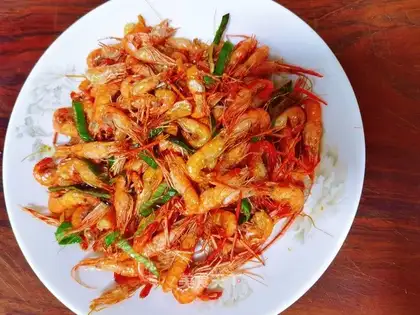
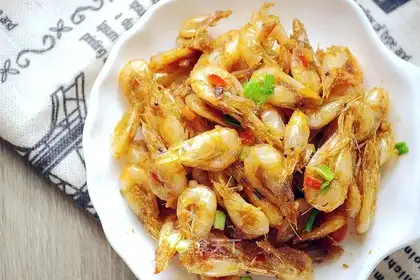
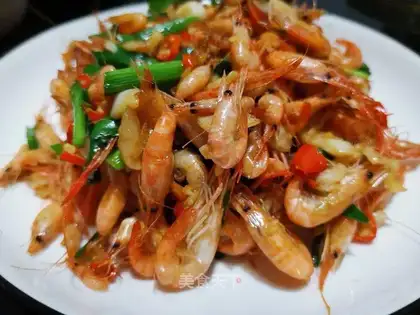
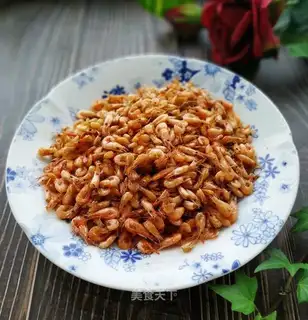
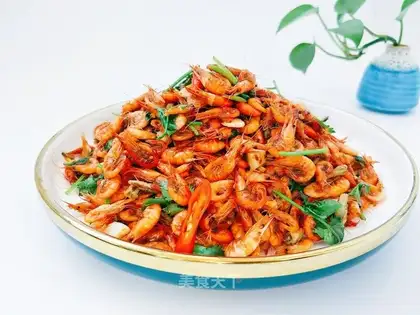
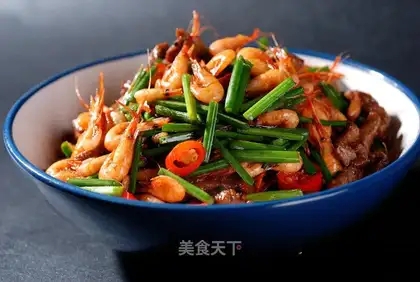
In the vast world of culinary ingredients, some of the most nutrient-dense treasures are often the smallest. Among them, tiny river shrimp—known scientifically as Caridina or Macrobrachium species in freshwater habitats—have been a staple in traditional diets across Asia, Europe, and for centuries. These miniature crustaceans, typically ranging from 1 to 3 centimeters in length, pack an impressive nutritional punch, offering a unique blend of high-quality protein, essential micronutrients, and bioactive compounds. Despite their modest size, river shrimp play a significant role in promoting health, from supporting muscle growth to boosting immune function. However, like all foods, they must be consumed wisely to maximize benefits and avoid potential risks. This article explores the nutritional profile, health benefits, and key precautions associated with tiny river shrimp, shedding light on why these tiny creatures deserve a place in a balanced diet.
Nutritional Profile: A Compact Nutrient Source
Tiny river shrimp are nutritional powerhouses, offering a dense concentration of essential nutrients in every bite. Their nutritional composition makes them particularly valuable for individuals seeking to optimize their health through whole foods.
1. High-Quality Protein
Protein is the building block of life, essential for muscle repair, immune function, and enzyme production. River shrimp are an exceptional source of high-quality protein, containing approximately 18-20 grams of protein per 100 grams of cooked shrimp—comparable to larger shrimp or lean meats like chicken breast. What sets their protein apart is its amino acid profile: it provides all nine essential amino acids (histidine, isoleucine, leucine, lysine, methionine, phenylalanine, threonine, tryptophan, and valine) that the human body cannot synthesize on its own. This "complete protein" is highly bioavailable, meaning the body can easily absorb and utilize it, making river shrimp an ideal choice for athletes, growing children, and older adults aiming to preserve muscle mass.
2. Low in Calories and Fat
For those mindful of calorie intake, river shrimp are a guilt-free addition to meals. A 100-gram serving contains just 80-100 calories, with less than 1 gram of fat—most of which is heart-healthy unsaturated fat. They are virtually free of saturated fat and trans fats, making them a heart-healthy alternative to fattier protein sources. The low calorie-to-protein ratio also makes them beneficial for weight management, as they promote satiety without excessive caloric intake.
3. Rich in Essential Vitamins
River shrimp are a notable source of several B vitamins, which play critical roles in energy metabolism, brain function, and red blood cell formation. Notably, they are rich in:
- Vitamin B12: A single 100-gram serving provides over 150% of the daily recommended intake (DRI) of vitamin B12, essential for nerve function and DNA synthesis. Deficiency in B12 can lead to anemia and neurological issues, making river shrimp a valuable dietary source, especially for vegetarians and vegans who often lack this nutrient in their diets.
- Niacin (Vitamin B3): Important for converting food into energy and maintaining healthy skin and digestion.
- Riboflavin (Vitamin B2): Supports energy production and eye health.
Additionally, they contain small amounts of vitamin E, an antioxidant that protects cells from oxidative damage, and vitamin A, which supports vision and immune function.
4. Abundant in Minerals
Minerals are vital for bone health, fluid balance, and enzymatic reactions, and river shrimp are a concentrated source of several key minerals:
- Selenium: A 100-gram serving provides over 60% of the DRI of selenium, a powerful antioxidant that supports thyroid function and reduces inflammation. Selenium also plays a role in DNA repair and immune defense.
- Phosphorus: Essential for bone and teeth formation (alongside calcium) and energy production. River shrimp provide approximately 25% of the DRI per 100 grams.
- Iron: While not as high as in red meat, the iron in river shrimp is heme iron (more easily absorbed by the body than non-heme iron in plant foods), making it beneficial for preventing iron deficiency anemia, especially in women and children.
- Zinc: Critical for immune function, wound healing, and DNA synthesis. A 100-gram serving meets about 15% of the DRI.
- Copper and Iodine: River shrimp also provide smaller amounts of copper (important for iron metabolism) and iodine (vital for thyroid hormone production).
5. Omega-3 Fatty Acids
Though low in fat, river shrimp contain modest amounts of omega-3 fatty acids, particularly EPA (eicosapentaenoic acid) and DHA (docosahexaenoic acid). These "healthy fats" are renowned for their anti-inflammatory properties, support for brain health, and role in reducing the risk of cardiovascular disease. While fatty fish like salmon are more famous for omega-3s, river shrimp offer a complementary source, especially for those seeking variety in their omega-3 intake.
Health Benefits: More Than Just a Delicious Bite
The impressive nutritional profile of tiny river shrimp translates into a range of health benefits, from physical vitality to long-term disease prevention.
1. Supports Muscle Growth and Repair
The high-quality, complete protein in river shrimp makes them an excellent food for muscle maintenance and growth. For athletes, regular consumption can aid in post-exercise recovery by providing the amino acids needed to repair muscle tissue. For older adults, who are prone to age-related muscle loss (sarcopenia), incorporating river shrimp into their diet can help preserve muscle mass and strength, supporting mobility and independence.
2. Boosts Immune Function
A strong immune system relies on adequate intake of vitamins, minerals, and antioxidants—all of which river shrimp provide in abundance. Vitamin B12 and zinc, for example, are critical for the production and function of immune cells like T-cells and natural killer cells. Selenium’s antioxidant properties help reduce oxidative stress, which can weaken the immune system over time. Regular consumption of river shrimp may enhance the body’s ability to fight infections and reduce inflammation.
3. Promotes Heart Health
River shrimp contribute to heart health in multiple ways. Their low saturated fat and trans fat content help maintain healthy cholesterol levels, while their omega-3 fatty acids reduce triglycerides (a type of fat in the blood that increases heart disease risk when elevated) and lower blood pressure. Additionally, the amino acid taurine, found in small amounts in shrimp, has been shown to improve heart function by regulating blood flow and reducing arterial stiffness.
4. Enhances Bone and Teeth Health
The combination of phosphorus, calcium, and vitamin D in river shrimp (when consumed with vitamin D-rich foods) supports bone density and strength. Phosphorus works alongside calcium to form hydroxyapatite, the mineral complex that gives bones and teeth their rigidity. For children and adolescents, whose bones are still developing, and for older adults at risk of osteoporosis, river shrimp can be a valuable dietary addition to prevent bone loss.
5. Supports Brain Health and Cognitive Function
The omega-3 fatty acids EPA and DHA in river shrimp are essential for brain development and function. DHA, in particular, is a major structural component of the brain and retina, and adequate intake has been linked to improved memory, focus, and a reduced risk of age-related cognitive decline. Vitamin B12 also plays a key role in maintaining the myelin sheath that protects nerve fibers, supporting efficient nerve signal transmission.
6. Aids in Weight Management
Thanks to their high protein and low calorie content, river shrimp are a filling food that can help control appetite and reduce overall calorie intake. Protein takes longer to digest than carbohydrates, promoting satiety and reducing the likelihood of overeating. Additionally, the low glycemic index of river shrimp means they do not cause rapid spikes in blood sugar, making them suitable for individuals with diabetes or those at risk of developing the condition.
食用禁忌 (Precautions and Potential Risks)
While tiny river shrimp offer numerous health benefits, they are not without potential risks, particularly for certain populations. Understanding these precautions is key to enjoying them safely.
1. Allergies
Shellfish allergies are among the most common food allergies, affecting millions of people worldwide. River shrimp, like other crustaceans, contain proteins (such as tropomyosin) that can trigger allergic reactions ranging from mild (hives, itching) to severe (anaphylaxis, difficulty breathing). Individuals with a known shellfish allergy should strictly avoid river shrimp and other crustaceans. Even trace amounts of shrimp cross-contaminating other foods can trigger reactions in highly sensitive individuals.
2. Sodium Content
While fresh river shrimp are naturally low in sodium, processed or preserved shrimp (such as dried, salted, or canned shrimp) can be extremely high in sodium. Excessive sodium intake is linked to high blood pressure, heart disease, and stroke. For individuals with hypertension or kidney disease, it is best to consume fresh, unprocessed river shrimp and limit the use of high-sodium seasonings like soy sauce or shrimp paste.
3. Purines and Gout
River shrimp are moderate to high in purines, natural compounds that break down into uric acid in the body. High uric acid levels can trigger gout, a painful form of arthritis characterized by joint inflammation. Individuals with a history of gout or hyperuricemia should consume river shrimp in moderation (no more than 2-3 servings per week) and avoid pairing them with other high-purine foods (organ meats, certain seafood). Cooking methods that reduce purines, such as boiling (rather than frying), may also help.
4. Mercury and Contaminants
While river shrimp typically contain less mercury than larger predatory fish (such as shark or swordfish), they can still accumulate environmental contaminants depending on their habitat. Shrimp from polluted waters may contain heavy metals (e.g., lead, cadmium) or pesticides, which pose health risks with long-term exposure. To minimize risk, it is advisable to source river shrimp from reputable suppliers, preferably from clean, unpolluted freshwater bodies. Organic or sustainably farmed shrimp may also be a safer option.
5. Food Safety and Preparation
Improper handling and cooking of river shrimp can lead to foodborne illnesses, such as bacterial infections (e.g., Vibrio species) or parasitic infections. To ensure safety:
- Buy fresh: Choose shrimp that smell fresh (not ammonia-like) and have firm, translucent flesh. Avoid shrimp with slimy textures or black spots.
- Store properly: Refrigerate shrimp at 4°C (39°F) or below and cook within 1-2 days of purchase. Frozen shrimp should be thawed in the refrigerator (not at room temperature) to prevent bacterial growth.
- Cook thoroughly: Shrimp should be cooked until they turn pink and opaque (internal temperature of 63°C/145°F). Avoid eating raw or undercooked shrimp, especially if sourced from unknown waters.
Culinary Uses: Incorporating Tiny River Shrimp into a Healthy Diet
Tiny river shrimp are incredibly versatile in the kitchen, lending themselves to a wide range of dishes. Their mild, sweet flavor makes them a favorite in both simple and elaborate preparations:
- Stir-fries and sautés: Toss with vegetables, garlic, and ginger for a quick, nutrient-packed meal.
- Soups and stews: Add to broths or chowders for extra protein and umami flavor.
- Salads: Use as a topping for green salads or grain bowls for a crunchy, protein boost.
- Appetizers: Marinate and grill, or batter-fry for crispy shrimp fritters.
- Pasta and rice dishes: Mix with pasta, risotto, or fried rice for a hearty, flavorful dish.
To maximize health benefits, opt for cooking methods like steaming, boiling, or grilling instead of deep-frying, which can add unnecessary fat and calories. Pair river shrimp with fiber-rich vegetables, whole grains, and healthy fats (e.g., olive oil, avocado) for a balanced meal.
Conclusion
Tiny river shrimp may be small in size, but their nutritional and health benefits are anything but. From supporting muscle growth and immune function to promoting heart and brain health, these miniature crustaceans are a powerhouse of essential nutrients. While precautions such as allergies, sodium intake, and food safety must be considered, incorporating fresh, properly prepared river shrimp into a balanced diet can significantly enhance overall health. As with all foods, moderation and mindfulness are key—enjoy these tiny treasures as part of a diverse, nutrient-rich diet, and let their nutritional power work wonders for your well-being.