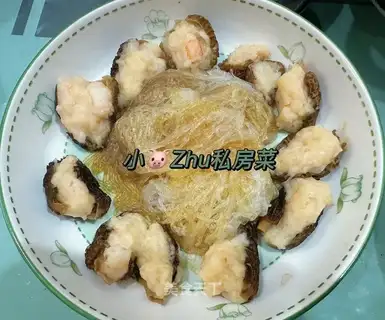
Shrimp paste, known as "虾滑" (xiā huá) in Chinese, is a versatile and beloved ingredient in Asian cuisine, particularly in dishes like hot pot, soups, and stir-fries. Made from finely minced shrimp mixed with starch, water, and sometimes seasonings, it boasts a smooth, elastic texture and a sweet, umami-rich flavor. Beyond its culinary appeal, shrimp paste is a nutritional powerhouse, offering a wealth of protein, vitamins, and minerals. However, like all foods, it must be consumed in moderation and with awareness of potential dietary restrictions. This article explores the nutritional value of shrimp paste, its health benefits, and important precautions for safe consumption.
I. Nutritional Value of Shrimp Paste
Shrimp paste is a nutrient-dense food, primarily valued for its high-quality protein and low-fat content. A 100-gram serving of plain shrimp paste (without added starch or seasonings) typically contains:
1. High-Quality Protein
Protein is essential for building and repairing tissues, supporting immune function, and maintaining muscle mass. Shrimp paste is composed of approximately 15-20 grams of protein per 100 grams, making it an excellent source of complete protein. Unlike plant-based proteins, shrimp paste contains all nine essential amino acids (histidine, isoleucine, leucine, lysine, methionine, phenylalanine, threonine, tryptophan, and valine), which the body cannot produce independently and must obtain from food.
2. Low in Fat and Calories
Shrimp paste is naturally low in fat, with less than 2 grams of fat per 100 grams, most of which is heart-healthy unsaturated fat. It contains negligible amounts of saturated fat and no trans fats, making it a suitable option for individuals managing weight or cardiovascular health. Additionally, it is relatively low in calories (around 80-100 calories per 100 grams), especially when compared to processed meats or high-fat protein sources.
3. Rich in Essential Minerals
Shrimp paste is a concentrated source of key minerals vital for bodily functions:
- Selenium: A powerful antioxidant, selenium supports thyroid function, boosts the immune system, and protects cells from oxidative damage. Just 100 grams of shrimp paste can provide over 50% of the daily recommended intake of selenium.
- Phosphorus: Essential for bone health, teeth formation, and energy production, phosphorus works in tandem with calcium to maintain strong bones and teeth.
- Zinc: Critical for immune function, wound healing, and DNA synthesis, zinc deficiency can lead to weakened immunity and delayed growth. Shrimp paste is an excellent source of zinc, with 100 grams providing approximately 20-30% of the daily requirement.
- Iron: Iron is necessary for oxygen transport in the blood and preventing anemia. While shrimp paste contains non-heme iron (less easily absorbed than heme iron from meat), it still contributes significantly to daily iron intake, especially when paired with vitamin C-enhanced foods.
4. Vitamins and Bioactive Compounds
Shrimp paste is also a good source of B vitamins, particularly vitamin B12, which is crucial for nerve function, red blood cell formation, and DNA synthesis. Vitamin B12 is primarily found in animal products, making shrimp paste a valuable option for pescatarians (individuals who eat fish but not other meats).
Additionally, shrimp paste contains astaxanthin, a carotenoid antioxidant responsible for its pinkish hue. Astaxanthin has been linked to reduced inflammation, improved skin health, and protection against UV damage. It also supports eye health by combating oxidative stress in the retina.
II. Health Benefits of Shrimp Paste
The impressive nutritional profile of shrimp translates to several health benefits, making it a valuable addition to a balanced diet.
1. Supports Muscle Growth and Repair
The high-quality protein in shrimp paste is ideal for athletes, fitness enthusiasts, and individuals recovering from illness or injury. Protein provides the amino acids needed for muscle protein synthesis, helping to maintain and increase muscle mass. For older adults, adequate protein intake from sources like shrimp paste can also combat age-related muscle loss (sarcopenia).
2. Boosts Immune Function
Shrimp paste’s combination of selenium, zinc, and vitamin B12 makes it a potent immune booster. Selenium enhances the activity of immune cells, while zinc supports the production of antibodies and cytokines. Vitamin B12, on the other hand, is essential for the formation of red blood cells, which carry oxygen to immune cells, ensuring they function optimally.
3. Promotes Heart Health
Shrimp paste’s low-fat, low-calorie, and unsaturated fat content makes it heart-friendly. It contains omega-3 fatty acids (eicosapentaenoic acid, EPA, and docosahexaenoic acid, DHA), which reduce inflammation, lower triglyceride levels, and decrease the risk of arrhythmias. Additionally, the absence of saturated and trans fats helps maintain healthy cholesterol levels, reducing the risk of atherosclerosis and heart disease.
4. Enhances Bone and Teeth Health
The phosphorus and calcium in shrimp paste work synergistically to build and maintain strong bones and teeth. Phosphorus supports bone mineralization, while calcium provides the structural framework for bone tissue. Adequate intake of these minerals can prevent osteoporosis and dental problems, especially in children, adolescents, and older adults.
5. Supports Brain and Nervous System Function
Vitamin B12 is critical for brain health, as it helps maintain the myelin sheath that protects nerve fibers. A deficiency in B12 can lead to cognitive decline, memory loss, and numbness or tingling in the extremities. Shrimp paste, as a rich source of B12, supports nerve function and may reduce the risk of neurodegenerative diseases.
6. Aids in Weight Management
Shrimp paste’s high protein and low-calorie content make it an excellent food for weight management. Protein increases satiety, reducing hunger and cravings, and helps preserve muscle mass during calorie restriction. This makes shrimp paste a satisfying and nutritious option for individuals aiming to lose or maintain weight.
III. Precautions and Potential Risks
While shrimp paste offers numerous health benefits, it is important to consume it in moderation and be aware of potential risks, especially for certain populations.
1. Allergies
Shrimp is one of the most common food allergens, and shrimp paste, being derived from shrimp, poses a significant risk to individuals with shellfish allergies. Allergic reactions can range from mild (hives, itching, stomach cramps) to severe (anaphylaxis, difficulty breathing, and shock). People with known shrimp allergies should avoid shrimp paste entirely and carefully read food labels to prevent accidental exposure.
2. Sodium Content
Commercially prepared shrimp paste often contains high levels of sodium, added as a preservative and flavor enhancer. Excessive sodium intake is linked to high blood pressure, heart disease, and stroke. A 100-gram serving of store-bought shrimp paste may contain 500-1000 milligrams of sodium, or 20-40% of the daily recommended limit (2300 milligrams). Individuals with hypertension or kidney disease should opt for low-sodium versions or consume shrimp paste sparingly.
3. Purine Content
Shrimp is high in purines, natural compounds that break down into uric acid in the body. High uric acid levels can lead to gout, a painful form of arthritis characterized by joint inflammation. Individuals with gout or a history of kidney stones (caused by uric acid buildup) should limit their intake of shrimp paste or avoid it altogether.
4. Mercury and Contaminants
Like all seafood, shrimp may contain trace amounts of mercury, a heavy metal that accumulates in the body over time. While shrimp is generally low in mercury compared to large predatory fish (such as shark or swordfish), pregnant women, nursing mothers, and young children should consume it in moderation to minimize exposure to mercury. Additionally, sourcing shrimp paste from reputable suppliers can reduce the risk of contaminants like bacteria or pollutants.
5. Starch Additives
Some commercially produced shrimp pastes contain added starches (e.g., cornstarch or tapioca starch) to improve texture and extend shelf life. While starch is not harmful in moderation, excessive consumption can contribute to blood sugar spikes and weight gain. Individuals with diabetes or insulin resistance should choose shrimp paste with minimal starch or prepare it at home using fresh shrimp and minimal additives.
IV. How to Incorporate Shrimp Paste into a Healthy Diet
To maximize the benefits of shrimp paste while minimizing risks, consider the following tips:
1. Choose Fresh or Low-Sodium Varieties: Opt for fresh shrimp paste or brands with no added salt to control sodium intake.
2. Practice Portion Control: Limit consumption to 50-100 grams per serving to avoid excessive purines, sodium, or calories.
3. Pair with Nutrient-Rich Foods: Combine shrimp paste with vegetables (e.g., broccoli, bell peppers) and whole grains (e.g., brown rice, quinoa) to create a balanced meal. The vitamin C in vegetables can enhance iron absorption from shrimp paste.
4. Prepare at Home: Making shrimp paste at home allows you to control ingredients. Blend fresh shrimp with a small amount of starch (e.g., potato starch) and seasonings like ginger or garlic for a healthier version.
5. Avoid for High-Risk Groups: Individuals with shellfish allergies, gout, severe kidney disease, or uncontrolled hypertension should consult a doctor before consuming shrimp paste.
Conclusion
Shrimp paste is a nutrient-dense ingredient that offers a wide range of health benefits, from supporting muscle growth and immune function to promoting heart and bone health. Its high protein, low fat, and rich mineral content make it a valuable addition to a balanced diet. However, it is important to consume it in moderation and be mindful of potential risks, such as allergies, high sodium, and purine content. By choosing high-quality shrimp paste, practicing portion control, and pairing it with other nutritious foods, individuals can enjoy its delicious flavor and health advantages while minimizing adverse effects. Whether in a steaming hot pot or a light stir-fry, shrimp paste is a versatile and wholesome choice for those seeking to enhance their culinary and nutritional well-being.