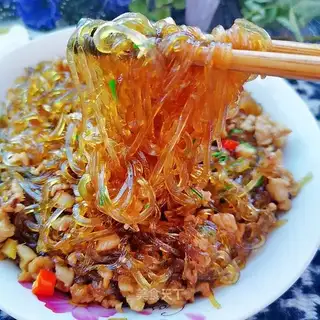
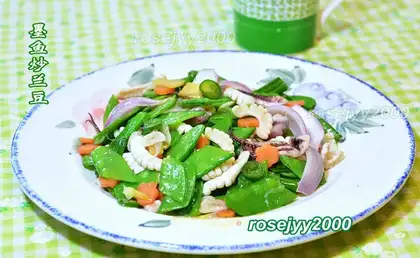
Cuttlefish, often called the "chameleon of the sea," is a cephalopod mollusk renowned for its adaptability, distinctive ink sac, and tender, flavorful flesh. While it has been a staple in Mediterranean, East Asian, and Middle Eastern cuisines for centuries, modern nutrition science is now shedding light on its remarkable health benefits. Packed with high-quality protein, essential vitamins, and minerals, cuttlefish is more than just a culinary delight—it is a nutritional powerhouse. However, like all seafood, it must be consumed wisely to avoid potential risks. This article explores the nutritional profile of cuttlefish, its scientifically supported health benefits, and important precautions to keep in mind when enjoying this marine delicacy.
Nutritional Profile: A Treasure Trove of Essential Nutrients
Cuttlefish is a low-calorie, high-protein food that offers an impressive array of macronutrients and micronutrients, making it an excellent addition to a balanced diet. A 100-gram serving of raw cuttlefish (approximately half a medium-sized cuttlefish) contains roughly 85 calories, 18 grams of protein, and only 1.5 grams of fat, with virtually no carbohydrates. This macronutrient composition makes it ideal for weight management and muscle building, as protein provides satiety and supports tissue repair.
What truly sets cuttlefish apart is its micronutrient density. It is rich in vitamin D, a nutrient often lacking in modern diets, which is crucial for bone health, immune function, and mood regulation. A 100-gram serving provides about 16% of the daily recommended intake (DRI) of vitamin D. Additionally, cuttlefish is an exceptional source of vitamin B12, essential for nerve function and red blood cell production—with a single serving covering over 100% of the DRI. It also contains significant amounts of riboflavin (B2), niacin (B3), and pantothenic acid (B5), which play key roles in energy metabolism and cellular health.
Mineral-wise, cuttlefish excels in iron, providing about 15% of the DRI per serving. Unlike iron from plant sources, the iron in cuttlefish is heme iron, which is more easily absorbed by the body, making it beneficial for preventing anemia. It is also a good source of phosphorus (for bone and teeth health), zinc (for immune support and wound healing), copper (for antioxidant defense), and selenium (for thyroid function and oxidative stress reduction). Perhaps most uniquely, cuttlefish is one of the few dietary sources of taurine, an amino acid that supports cardiovascular health, eye function, and anti-inflammatory processes.
Its ink, often discarded in Western cuisine but prized in dishes like calamares en su tinta (cuttlefish in ink) or Italian riso nero (black risotto), is not just for color. Cuttlefish ink is rich in antioxidants, including melanin and polyphenols, which help neutralize harmful free radicals and reduce oxidative stress in the body.
Health Benefits: Beyond Culinary Delight
The combination of nutrients in cuttlefish translates to a range of health benefits, supported by both traditional use and emerging scientific research.
1. Supports Muscle Growth and Repair
With its high protein content (18g per 100g) and complete amino acid profile—including all nine essential amino acids—cuttlefish is an excellent food for muscle maintenance and growth. This makes it particularly valuable for athletes, older adults (to combat age-related muscle loss), and individuals recovering from injury. The protein in cuttlefish is highly digestible, with a protein digestibility-corrected amino acid score (PDCAAS) similar to that of meat and eggs.
2. Promotes Heart Health
Cuttlefish is low in saturated fat and cholesterol, making it a heart-healthy alternative to red meat. Its high taurine content has been linked to reduced blood pressure and improved cholesterol levels by inhibiting cholesterol absorption in the gut. Additionally, the omega-3 fatty acids (EPA and DHA) in cuttlefish, though present in smaller quantities than in fatty fish like salmon, still contribute to reducing inflammation and lowering the risk of cardiovascular disease.
3. Enhances Cognitive Function and Mental Health
The brain relies on nutrients like vitamin B12, omega-3s, and taurine to function optimally. Vitamin B12 deficiency is linked to memory loss, depression, and cognitive decline, and cuttlefish’s high B12 content helps prevent these issues. Taurine, on the other hand, has neuroprotective properties, supporting neuron health and reducing the risk of neurodegenerative diseases. Studies also suggest that omega-3 fatty acids in seafood may improve mood and reduce symptoms of anxiety and depression.
4. Strengthens Bones and Teeth
Cuttlefish is a rare non-dairy source of vitamin D, which works in tandem with calcium to maintain bone density. A 100-gram serving provides about 10% of the DRI for calcium, while its phosphorus content (about 20% of the DRI) helps form hydroxyapatite, the mineral complex that gives bones and teeth their strength. Regular consumption may reduce the risk of osteoporosis, especially in older adults.
5. Boosts Immune Function
The zinc and selenium in cuttlefish are critical for a healthy immune system. Zinc supports the development and function of immune cells, while selenium acts as an antioxidant, protecting immune cells from oxidative damage. Additionally, cuttlefish’s vitamin D content modulates immune responses, reducing the risk of autoimmune diseases and infections.
6. Aids in Weight Management
Low in calories and high in protein and fiber (when cooked with vegetables), cuttlefish can help control appetite and reduce overall calorie intake. Protein increases satiety by stimulating the release of hormones like leptin, which signals fullness to the brain. This makes cuttlefish a satisfying choice for those looking to lose or maintain weight.
Culinary Uses: From Traditional Dishes to Modern Cuisine
Cuttlefish’s versatility in the kitchen has made it a global favorite. In Mediterranean cuisine, it is often grilled with olive oil, garlic, and lemon (e.g., sepia alla griglia in Italy) or stuffed and baked. In East Asia, particularly in China, Japan, and Korea, cuttlefish is stir-fried, dried (as bokkoms in South Africa or hebi-jiru in Japan), or used in soups and stews. Its tender texture and mild, slightly sweet flavor pair well with bold spices, citrus, and umami-rich ingredients like soy sauce and miso.
Cuttlefish ink, once considered a byproduct, is now a gourmet ingredient. It imparts a rich, briny flavor and striking black color to dishes such as pasta, risotto, and even ice cream. In Spain, arroz negro (black rice) is a traditional dish where cuttlefish ink infuses the rice with a savory, oceanic taste. Even the cuttlefish’s "cuttlebone"—the internal shell often discarded—is edible when powdered and used as a calcium supplement in some cultures.
Precautions and Potential Risks
While cuttlefish offers numerous health benefits, there are important precautions to consider to ensure safe consumption.
1. Allergies
Like other shellfish and cephalopods, cuttlefish is a common allergen. Allergic reactions can range from mild (hives, itching) to severe (anaphylaxis, difficulty breathing). Individuals with a known shellfish allergy should avoid cuttlefish entirely, as cross-reactivity between cuttlefish and other shellfish (e.g., shrimp, crab) is common.
2. Mercury and Heavy Metal Contamination
As a marine species, cuttlefish may accumulate mercury and other heavy metals from polluted waters. While cuttlefish generally contains less mercury than large predatory fish (e.g., shark, swordfish), pregnant women, nursing mothers, and young children should limit consumption to 1–2 servings per week to minimize risk. Opting for sustainably sourced cuttlefish from clean waters can reduce exposure to contaminants.
3. Purine Content
Cuttlefish is high in purines, natural compounds that break down into uric acid in the body. For individuals with gout or hyperuricemia, excessive purine intake can trigger painful flare-ups. Such individuals should consume cuttlefish in moderation or avoid it altogether.
4. Proper Cooking
Raw or undercooked cuttlefish may harbor bacteria (e.g., Vibrio species) or parasites that cause foodborne illness. Cuttlefish should be cooked to an internal temperature of 63°C (145°F) to ensure safety. Additionally, its ink should be sourced from reputable suppliers to avoid contamination.
5. Interaction with Medications
Cuttlefish’s high vitamin K content may interfere with blood-thinning medications (e.g., warfarin), as vitamin K promotes blood clotting. Individuals taking such medications should consult their doctor and maintain consistent vitamin K intake.
Conclusion
Cuttlefish is a nutritional gem that offers a unique blend of protein, vitamins, minerals, and antioxidants, supporting everything from muscle growth to heart and brain health. Its culinary versatility, from grilled Mediterranean dishes to ink-infused Asian specialties, makes it a beloved ingredient across cultures. However, mindful consumption is key—individuals with allergies, gout, or specific health conditions should take precautions, and sourcing sustainable, uncontaminated cuttlefish is essential for maximizing benefits.
As research continues to uncover the health potential of this underappreciated seafood, cuttlefish is poised to become a staple in health-conscious diets worldwide. Whether enjoyed as a tender grilled fillet, a flavorful black risotto, or a nutrient-rich soup, cuttlefish proves that the ocean’s bounty is not only delicious but also a powerful ally in achieving optimal health.