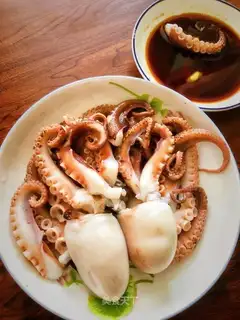
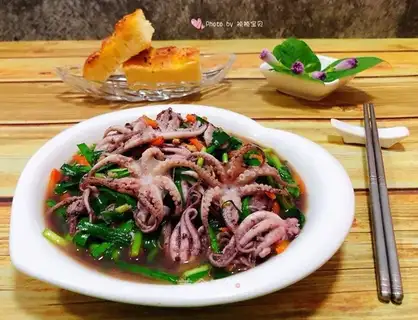
Octopus, a mollusk belonging to the cephalopod class, has been a staple in coastal cuisines for millennia, revered for its tender texture, versatility in cooking, and impressive nutritional profile. From Mediterranean pulpo a la gallega to Japanese takoyaki, this eight-armed creature has transcended cultural boundaries to become a global delicacy. Beyond its culinary appeal, octopus offers a wealth of health benefits, supported by modern science. However, like all foods, it comes with specific considerations for safe and optimal consumption. This article explores the nutritional value of octopus, its health benefits, potential risks, and guidelines for inclusion in a balanced diet.
I. Nutritional Value of Octopus
Octopus is a nutrient-dense food, meaning it provides a high concentration of essential nutrients relative to its calorie content. A 100-gram serving of cooked octopus (approximately 3.5 ounces) contains roughly 135 calories, 25 grams of protein, 2 grams of fat (with negligible saturated fat), and 3 grams of carbohydrates, including 1 gram of fiber. Its true nutritional value lies in its micronutrient and macronutrient composition, making it a standout choice for health-conscious individuals.
1. High-Quality Protein
Protein is essential for building and repairing tissues, producing enzymes and hormones, and supporting immune function. Octopus is an exceptional source of complete protein, containing all nine essential amino acids that the body cannot produce independently. With a protein content of ~25% per serving, it rivals other lean protein sources like chicken breast or fish, making it ideal for muscle maintenance, weight management, and post-workout recovery.
2. Rich in Vitamins and Minerals
Octopus is a treasure trove of micronutrients, several of which are critical for bodily functions:
- Vitamin B12: A 100-gram serving provides over 100% of the daily recommended intake of vitamin B12, essential for nerve function, DNA synthesis, and red blood cell formation. Deficiency in B12 can lead to anemia and neurological issues.
- Selenium: This trace mineral acts as a powerful antioxidant, protecting cells from damage, supporting thyroid function, and boosting immune health. Octopus contains ~55 micrograms per serving, exceeding the daily requirement of 55 micrograms.
- Iron: Octopus is a notable source of heme iron, the type of iron found in animal products that is more easily absorbed by the body than non-heme iron. Iron is vital for oxygen transport and energy production, making octopus beneficial for preventing iron-deficiency anemia, particularly in women and vegetarians/vegans who consume it.
- Copper and Zinc: Copper aids in iron metabolism and collagen formation, while zinc supports immune function, wound healing, and DNA synthesis. Octopus provides moderate amounts of both minerals.
- Phosphorus: This mineral works with calcium to build strong bones and teeth, and it plays a key role in energy production and cell repair.
3. Low in Fat and Calories
Octopus is naturally low in fat, with less than 2 grams per serving, and most of this fat is unsaturated, including heart-healthy omega-3 fatty acids like EPA and DHA. Omega-3s are known for their anti-inflammatory properties, support for brain health, and reduced risk of chronic diseases. Its low calorie count makes it a suitable option for weight loss diets, as it promotes satiety without excessive caloric intake.
II. Health Benefits of Consuming Octopus
The unique combination of nutrients in octopus contributes to a range of health benefits, from improved heart health to enhanced cognitive function.
1. Supports Heart Health
Octopus is a heart-healthy food due to its low saturated fat content and omega-3 fatty acids. Omega-3s help reduce triglycerides (a type of fat in the blood), lower blood pressure, decrease inflammation, and prevent the formation of blood clots—all of which reduce the risk of heart disease and stroke. Additionally, its potassium content (approximately 300 mg per serving) helps regulate blood pressure by balancing sodium levels in the body.
2. Enhances Muscle Recovery and Growth
The high-quality protein and amino acids in octopus make it an excellent food for muscle repair and growth. Leucine, an essential amino acid abundant in octopus, stimulates muscle protein synthesis, making it particularly beneficial for athletes, older adults (to combat sarcopenia, or age-related muscle loss), and individuals recovering from injury.
3. Boosts Immune Function
Octopus’s rich mineral and vitamin profile supports immune health. Selenium and zinc are critical for the development and function of immune cells, while vitamin B12 helps maintain the health of the nervous system, which is closely linked to immune response. The antioxidants in octopus, such as selenium and omega-3s, also protect immune cells from oxidative stress, ensuring they function optimally.
4. Promotes Cognitive Health
Docosahexaenoic acid (DHA), an omega-3 fatty acid found in octopus, is a major structural component of the brain and retina. DHA supports cognitive function, memory, and learning, and it may reduce the risk of age-related cognitive decline, such as Alzheimer’s disease. Vitamin B12 also plays a role in maintaining the myelin sheath that protects nerve fibers, ensuring efficient communication between brain cells.
5. Supports Thyroid Function
Selenium is a key cofactor for the enzymes that produce thyroid hormones, which regulate metabolism, growth, and development. Adequate selenium intake, as provided by octopus, helps prevent thyroid disorders such as hypothyroidism and Hashimoto’s thyroiditis.
6. Aids in Weight Management
Octopus’s high protein and low calorie content make it a satisfying food that can help control appetite and reduce overall calorie intake. Protein takes longer to digest than carbohydrates, promoting feelings of fullness and reducing the likelihood of overeating. Additionally, its low fat content ensures that it does not contribute excess calories, making it a valuable addition to weight loss or maintenance diets.
III. Potential Risks and Considerations
While octopus is highly nutritious, there are several important considerations to keep in mind to ensure safe consumption.
1. Heavy Metal Contamination
Like many seafood, octopus may accumulate heavy metals such as mercury, cadmium, and lead, depending on its habitat. Mercury is a particular concern, as high levels can impair neurological development in fetuses and young children and cause health issues in adults. To minimize risk, consumers should:
- Choose octopus from reputable sources, such as sustainable fisheries or certified suppliers.
- Limit consumption to 2–3 servings per week, especially for pregnant women, nursing mothers, and young children.
- Avoid consuming large or wild-caught octopus from polluted waters, as these are more likely to contain higher concentrations of heavy metals.
2. Allergic Reactions
Although less common than allergies to shellfish or fish, octopus allergies can occur. Allergies to cephalopods (octopus, squid, cuttlefish) are often cross-reactive with allergies to mollusks or crustaceans due to similar proteins. Symptoms may include hives, swelling, difficulty breathing, or anaphylaxis. Individuals with known shellfish allergies should consult an allergist before consuming octopus.
3. Choking Hazard
Octopus has a chewy texture, which can pose a choking risk, especially for young children or older adults with swallowing difficulties. To reduce this risk, octopus should be cooked until tender and cut into small, manageable pieces before consumption.
4. Purine Content
Octopus is high in purines, natural compounds that break down into uric acid in the body. High uric acid levels can lead to gout, a painful form of arthritis characterized by joint inflammation. Individuals with gout or a history of kidney stones should limit their octopus intake or avoid it altogether, as purines can exacerbate these conditions.
5. Food Safety and Preparation
Octopus is highly perishable and must be handled and cooked properly to prevent foodborne illness. Here are key safety tips:
- Purchase fresh or frozen octopus from reputable suppliers. Avoid octopus with a strong, fishy odor or slimy texture.
- Store octopus in the refrigerator at 40°F (4°C) or below, and use it within 1–2 days of purchase. Frozen octopus can be stored for up to 3 months.
- Thaw frozen octopus in the refrigerator (not at room temperature) to prevent bacterial growth.
- Cook octopus thoroughly to kill harmful bacteria. It can be boiled, grilled, braised, or simmered until tender (cooking time varies by size, typically 1–2 hours for whole octopus).
IV. Incorporating Octopus into a Balanced Diet
Octopus’s mild, slightly sweet flavor and tender texture make it a versatile ingredient in a variety of dishes. Here are some ideas for incorporating it into a healthy diet:
- Grilled Octopus: Marinate octopus in olive oil, lemon juice, garlic, and herbs, then grill for a light, flavorful main course.
- Octopus Salad: Combine cooked, chilled octopus with cherry tomatoes, cucumber, olives, and a lemon-herb vinaigrette for a refreshing salad.
- Stews and Soups: Add octopus to Mediterranean or Asian-inspired stews, where it absorbs the flavors of tomatoes, onions, and spices.
- Sushi and Sashimi: Thinly sliced raw octopus (tako) is a popular ingredient in sushi, though it should be sourced from high-quality, sushi-grade suppliers.
- Tacos and Wraps: Use shredded, cooked octopus as a filling for tacos, topped with avocado, cabbage, and a spicy sauce.
For optimal health benefits, pair octopus with a variety of vegetables, whole grains, and healthy fats to create a balanced meal. For example, grilled octopus with quinoa, roasted asparagus, and a drizzle of olive oil provides a nutrient-rich, satisfying meal.
Conclusion
Octopus is a nutritional powerhouse that offers a unique combination of high-quality protein, essential vitamins and minerals, and healthy fats. Its health benefits, from supporting heart and cognitive health to aiding in muscle recovery, make it a valuable addition to a balanced diet. However, it is important to consume octopus in moderation, choose reputable sources, and prepare it safely to minimize risks such as heavy metal contamination or allergic reactions. When enjoyed as part of a diverse and mindful diet, octopus can be both a delicious and health-promoting choice, bridging the gap between culinary tradition and modern nutrition. As we continue to explore sustainable and nutrient-rich foods, octopus stands out as a remarkable example of how nature’s bounty can nourish the body and delight the senses.