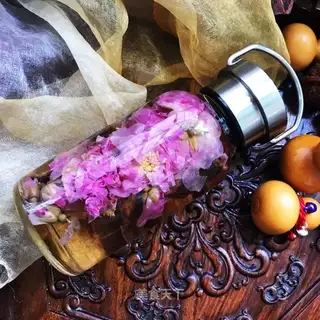
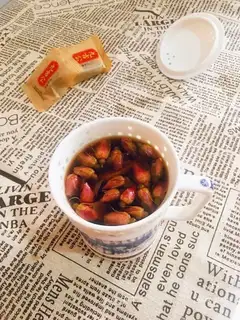
For centuries, roses have transcended their role as mere ornamental blossoms, weaving themselves into the tapestry of human culture as symbols of love, beauty, and healing. Among their most cherished legacies is rose tea, a beverage crafted from the petals of specific rose species (notably Rosa damascena and Rosa centifolia), celebrated for its delicate aroma, soothing flavor, and potent health benefits. More than just a sensory delight, rose tea is a nutritional powerhouse, offering a unique blend of vitamins, antioxidants, and bioactive compounds that support physical and emotional well-being. However, like all natural remedies, it is not without its nuances—proper use and awareness of potential contraindications are key to unlocking its full potential. This article explores the nutritional profile, health benefits, and important precautions associated with rose tea, offering a comprehensive guide to incorporating this fragrant elixir into a balanced lifestyle.
I. Nutritional Profile of Rose Tea
Rose tea’s nutritional value lies in its rich concentration of bioactive compounds, which vary slightly depending on the rose species, cultivation methods, and processing techniques. Dried rose petals, the primary ingredient of the tea, contain a diverse array of nutrients that contribute to its therapeutic properties.
1. Antioxidants: The Guardians of Cellular Health
The most notable constituents of rose tea are its antioxidants, which combat oxidative stress caused by free radicals—unstable molecules that damage cells and contribute to aging and chronic diseases. Rose petals are particularly rich in:
- Polyphenols: These include flavonoids (such as quercetin, kaempferol, and anthocyanins) and tannins, which have anti-inflammatory, antimicrobial, and cardioprotective effects. Anthocyanins, responsible for the deep red and pink hues of rose petals, are potent antioxidants that support brain health and improve circulation.
- Vitamin C: A single cup of rose tea can provide up to 10–15% of the daily recommended intake of vitamin C, a crucial nutrient for immune function, collagen synthesis, and skin elasticity. Unlike citrus fruits, rose tea offers vitamin C without the acidity, making it a gentler option for those with sensitive stomachs.
- Vitamin E: This fat-soluble antioxidant works in tandem with vitamin C to protect cell membranes from oxidative damage, promoting healthy skin and reducing the risk of chronic conditions like heart disease.
2. Vitamins and Minerals
While not as concentrated as in fruits or vegetables, rose tea contains small but meaningful amounts of essential vitamins and minerals, including:
- Vitamin A: In the form of carotenoids, vitamin A supports vision, immune function, and skin repair.
- Folate (Vitamin B9): Important for DNA synthesis and cell division, folate is particularly beneficial for pregnant individuals and supports overall metabolic health.
- Minerals: Trace amounts of potassium, calcium, iron, and magnesium are present, contributing to electrolyte balance, bone health, and oxygen transport in the blood.
3. Bioactive Compounds
Rose petals contain unique compounds that give rise to many of their health benefits:
- Citronellol and Geraniol: These monoterpenes, responsible for the rose’s signature scent, have sedative and antimicrobial properties, helping to calm the nervous system and inhibit the growth of harmful bacteria.
- Gallic Acid: A polyphenol with potent anti-inflammatory and neuroprotective effects, gallic acid has been studied for its potential to reduce the risk of neurodegenerative diseases like Alzheimer’s.
- Pectin: A soluble fiber found in rose petals, pectin supports digestive health by promoting regular bowel movements and feeding beneficial gut bacteria.
II. Health Benefits of Rose Tea
The synergy of nutrients and bioactive compounds in rose tea confers a wide range of health benefits, spanning physical, mental, and emotional well-being.
1. Digestive Health: Soothing the Gut Naturally
Rose tea has long been used in traditional medicine to alleviate digestive discomfort. Its anti-inflammatory properties help reduce inflammation in the gastrointestinal tract, while its mild astringent effect tones the mucous membranes, easing symptoms of:
- Bloating and Indigestion: Rose tea stimulates bile production, which aids in the breakdown of fats and reduces feelings of fullness after meals.
- Constipation: The pectin in rose petals acts as a natural laxative, softening stool and promoting regularity without the harshness of chemical laxatives.
- Ulcers and Gastritis: The tea’s ability to reduce inflammation and protect the stomach lining makes it a supportive remedy for individuals with ulcers or mild gastritis.
2. Skin Health: From Within Without
Rose tea is often hailed as a “beverage for beauty,” and for good reason. Its high antioxidant and vitamin content supports skin health in multiple ways:
- Anti-Aging: Vitamin C and E neutralize free radicals that cause collagen breakdown, reducing the appearance of fine lines and wrinkles. Anthocyanins improve skin elasticity and firmness.
- Acne and Inflammation: The antimicrobial properties of citronellol and geraniol help combat acne-causing bacteria, while anti-inflammatory compounds reduce redness and swelling associated with breakouts.
- Hydration and Radiance: Rose tea is naturally caffeine-free and hydrating, making it a skin-friendly alternative to caffeinated beverages. Regular consumption can help maintain skin moisture and promote a healthy, glowing complexion.
3. Emotional and Mental Well-Being: A Cup of Calm
In an era marked by stress and anxiety, rose tea’s calming properties are particularly valuable. The aroma of rose petals alone has been shown to reduce cortisol levels (the stress hormone) and promote relaxation, but the tea’s internal effects are equally impactful:
- Stress Relief: Geraniol and citronellol have mild sedative effects, helping to ease nervous tension and improve sleep quality. A cup of rose tea before bed can calm a racing mind and promote restful sleep.
- Mood Enhancement: Rose tea contains compounds that stimulate the release of serotonin and dopamine, neurotransmitters associated with happiness and well-being. Regular consumption may help alleviate symptoms of mild depression and anxiety.
- Cognitive Function: The antioxidants in rose tea protect brain cells from oxidative damage, improving focus, memory, and overall cognitive performance.
4. Hormonal Balance and Women’s Health
Rose tea has a long history of use in supporting women’s health, particularly during menstruation and menopause:
- Menstrual Relief: Its antispasmodic properties help relax uterine muscles, reducing cramps and bloating during periods. The tea’s mild diuretic effect also alleviates water retention.
- Menopause Support: For women experiencing menopausal symptoms like hot flashes and mood swings, rose tea’s phytoestrogens (plant compounds that mimic estrogen) can help balance hormone levels and reduce the frequency and severity of symptoms.
5. Immune System Support
With its high vitamin C content and antioxidant profile, rose tea is a valuable ally for immune health. Vitamin C stimulates the production of white blood cells, which are critical for fighting infections, while polyphenols enhance the body’s natural defense mechanisms against bacteria, viruses, and fungi. Regular consumption during cold and flu season may help reduce the duration and severity of illnesses.
III. Precautions and Potential Side Effects
While rose tea is generally safe for most people when consumed in moderation, there are important precautions to consider to avoid adverse effects.
1. Allergies and Sensitivities
Individuals with rose allergies should avoid rose tea, as it may trigger allergic reactions such as skin rashes, itching, or difficulty breathing. Additionally, those sensitive to plants in the Rosaceae family (which includes peaches, cherries, and almonds) may also react to rose petals.
2. Pregnancy and Breastfeeding
Pregnant and breastfeeding individuals should consult a healthcare provider before consuming rose tea regularly. While small amounts are unlikely to be harmful, high doses of rose tea (particularly those concentrated in essential oils) may stimulate uterine contractions or affect hormone levels, posing risks during pregnancy.
3. Hormone-Sensitive Conditions
Rose tea contains phytoestrogens, which can mimic the effects of estrogen in the body. Individuals with hormone-sensitive conditions such as breast cancer, ovarian cancer, or endometriosis should avoid excessive consumption, as phytoestrogens may potentially exacerbate these conditions. A healthcare provider’s guidance is essential in such cases.
4. Blood Sugar and Blood Pressure
While rose tea may help regulate blood sugar levels in moderate amounts, individuals with diabetes should monitor their blood sugar closely, as the tea’s polyphenols can enhance the effects of diabetes medications. Similarly, those on blood pressure-lowering medications should be cautious, as rose tea’s mild diuretic effect may lower blood pressure further, leading to hypotension.
5. Quality and Sourcing
The safety and efficacy of rose tea depend heavily on its quality. To avoid contamination:
- Choose Organic: Opt for organic rose petals to minimize exposure to pesticides and herbicides.
- Avoid Artificial Additives: Select teas made from 100% pure rose petals, without artificial flavors, colors, or preservatives.
- Proper Storage: Store rose tea in an airtight container in a cool, dark place to prevent oxidation and preserve its nutritional value.
IV. How to Prepare and Enjoy Rose Tea
To reap the maximum benefits of rose tea, proper preparation is key. Here’s a simple guide:
Ingredients
- 1–2 teaspoons of dried rose petals (organic, food-grade)
- 8 ounces (240 ml) of hot water (not boiling, as high heat can destroy delicate nutrients)
- Optional: Honey, lemon, or a cinnamon stick for flavor
Instructions
1. Rinse the Petals: Gently rinse dried rose petals under cool water to remove any dust or impurities.
2. Steep: Place the petals in a teapot or cup and pour hot water (around 180–190°F or 80–85°C) over them.
3. Cover and Wait: Cover the cup to retain the aromatic oils and let it steep for 5–10 minutes.
4. Strain and Enjoy: Strain out the petals and add sweeteners or flavorings if desired. Sip slowly to savor the aroma and flavor.
For a refreshing twist, try blending rose tea with other herbs like chamomile (for extra relaxation) or hibiscus (for a tart, antioxidant-rich boost).
Conclusion
Rose tea is far more than a fragrant beverage—it is a nutritional and therapeutic treasure, offering a harmonious blend of antioxidants, vitamins, and bioactive compounds that support digestion, skin health, emotional well-being, and immune function. Its gentle yet potent effects make it a versatile addition to a healthy lifestyle, suitable for daily enjoyment when consumed in moderation. However, as with any natural remedy, mindfulness is key: understanding its benefits, respecting its contraindications, and prioritizing quality ensures that rose tea remains a safe and delightful elixir.
In a world where wellness is often sought in complex solutions, rose tea reminds us that nature’s simplest offerings—like a cup of fragrant petals steeped in hot water—can be among the most powerful. By incorporating this ancient remedy into modern life, we not only nourish our bodies but also reconnect with the timeless wisdom of nature’s healing embrace.