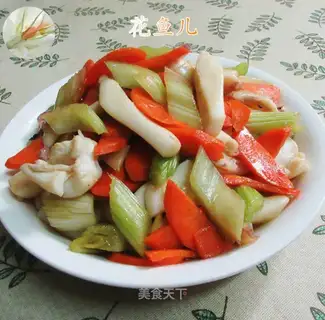
For centuries, cuttlefish (Sepia spp.) have been a culinary staple in coastal communities across Asia, the Mediterranean, and beyond. Renowned for its tender texture, subtle sweetness, and versatility in cooking, this cephalopod is more than just a delicacy—it is a nutritional treasure trove. Often overshadowed by its more famous relatives, like squid and octopus, cuttlefish offers a unique profile of essential nutrients, health benefits, and culinary potential. However, like all seafood, it must be consumed mindfully to avoid potential risks. This article explores the nutritional value of cuttlefish, its health-promoting properties, and important considerations for safe consumption.
I. Nutritional Value of Cuttlefish
Cuttlefish is a low-calorie, high-protein food packed with vitamins, minerals, and bioactive compounds, making it an excellent addition to a balanced diet. A 100-gram serving of cooked cuttlefish (without added fats) provides approximately 85 calories, 18 grams of protein, and less than 1 gram of fat, the majority of which is heart-healthy unsaturated fat. Its protein content is complete, containing all nine essential amino acids necessary for muscle repair, immune function, and overall growth.
1. High-Quality Protein
Protein is the building block of life, and cuttlefish excels as a lean source. Unlike fatty red meats, cuttlefish provides protein without excessive saturated fat, making it ideal for weight management and heart health. The amino acid profile in cuttlefish is particularly rich in lysine and methionine, which are often limited in plant-based proteins, making it a valuable complement to vegetarian diets.
2. Essential Minerals
Cuttlefish is a mineral-rich food, with standout contributions of iron, zinc, selenium, and copper.
- Iron: Cuttlefish contains heme iron, the form most easily absorbed by the body (15–30% more bioavailable than non-heme iron from plants). A 100-gram serving provides about 1.5 mg of iron, roughly 10% of the daily recommended intake for adults. Iron is critical for oxygen transport, energy production, and preventing anemia.
- Zinc: This mineral supports immune function, wound healing, and DNA synthesis. Cuttlefish offers around 1.5 mg of zinc per 100 grams, contributing to the 8–11 mg daily requirement for adults.
- Selenium: A powerful antioxidant, selenium protects cells from oxidative damage and supports thyroid function. Cuttlefish is one of the best dietary sources of selenium, with a single serving providing over 50% of the daily recommended intake (55 mcg for adults).
- Copper: Essential for iron metabolism, nerve function, and collagen formation, copper is abundant in cuttlefish (0.3 mg per 100 grams, covering 33% of daily needs).
3. Vitamins
Cuttlefish is a notable source of vitamin B12, a nutrient vital for nerve health, DNA synthesis, and red blood cell formation. A 100-gram serving provides approximately 3–5 mcg of B12, exceeding the daily requirement (2.4 mcg for adults). This makes it particularly valuable for vegetarians and vegans, who often struggle to obtain adequate B12 from plant sources. Additionally, cuttlefish contains small amounts of vitamin A (important for vision and immunity) and vitamin E (an antioxidant that protects cell membranes).
4. Low in Fat and Rich in Healthy Fats
With less than 1 gram of fat per 100 grams, cuttlefish is a lean protein choice. The small amount of fat it does contain is predominantly monounsaturated and polyunsaturated fats, including omega-3 fatty acids like EPA and DHA. These fats are renowned for their anti-inflammatory properties, support for brain health, and role in reducing the risk of cardiovascular disease. While cuttlefish is not as high in omega-3s as fatty fish like salmon, it still contributes to a heart-healthy diet.
5. Bioactive Compounds
Cuttlefish contains unique bioactive compounds, such as taurine and chitin. Taurine, an amino acid abundant in cuttlefish, regulates blood pressure, supports heart function, and has antioxidant properties. Chitin, a structural polysaccharide in the cuttlefish’s cuttlebone, is being studied for its potential prebiotic effects, which promote gut health by feeding beneficial gut bacteria.
II. Health Benefits of Cuttlefish
The nutrient density of cuttlefish translates to a range of health benefits, from supporting physical performance to reducing the risk of chronic diseases.
1. Supports Muscle Growth and Repair
The high-quality protein in cuttlefish provides the amino acids needed for muscle protein synthesis, making it an excellent food for athletes, older adults, and those recovering from injury. Its low-fat content also makes it a preferred choice for individuals aiming to build lean muscle without excess calories.
2. Boosts Immune Function
Cuttlefish’s combination of zinc, selenium, and vitamin B12 creates a powerful immune-supportive trio. Zinc enhances the activity of immune cells, while selenium and vitamin B12 help regulate immune responses and reduce inflammation. Regular consumption may help the body fight infections and reduce the severity of illnesses.
3. Promotes Heart Health
The omega-3 fatty acids, potassium, and low saturated fat content in cuttlefish contribute to cardiovascular health. Omega-3s lower triglyceride levels, reduce blood pressure, and decrease the risk of arrhythmias. Potassium, found in moderate amounts in cuttlefish, helps balance sodium levels and supports healthy blood pressure. Additionally, taurine in cuttlefish has been shown to improve cholesterol profiles by increasing HDL (“good”) cholesterol and reducing LDL (“bad”) cholesterol.
4. Enhances Cognitive Function
The omega-3 fatty acids (DHA and EPA) in cuttlefish are critical for brain health. DHA, a major component of brain tissue, supports cognitive function, memory, and mood regulation. Studies suggest that regular consumption of omega-3-rich seafood may reduce the risk of age-related cognitive decline and neurodegenerative diseases like Alzheimer’s.
5. Supports Thyroid Health
Selenium is a key cofactor for the enzymes that produce thyroid hormones, which regulate metabolism, growth, and development. Cuttlefish’s high selenium content ensures optimal thyroid function, preventing deficiencies that can lead to fatigue, weight gain, or mood disorders.
6. Aids in Weight Management
Cuttlefish’s low calorie, high protein, and high water content make it a filling food that supports weight loss. Protein increases satiety, reducing overall calorie intake, while the lack of carbohydrates helps stabilize blood sugar levels, preventing cravings.
III. Precautions and Contraindications
While cuttlefish is highly nutritious, there are important considerations to ensure safe consumption, particularly for certain populations.
1. Mercury and Heavy Metal Contamination
As with all seafood, cuttlefish may contain trace amounts of mercury, a toxic heavy metal that accumulates in marine life. Larger, older cuttlefish tend to have higher mercury levels. The U.S. Food and Drug Administration (FDA) recommends that adults consume no more than 2–3 servings of low-mercury fish per week, with cuttlefish falling into the “low-mercury” category (along with shrimp, salmon, and cod). Pregnant women, nursing mothers, and young children should limit intake to 1–2 servings per week to minimize risk.
2. Allergic Reactions
Cuttlefish is a common allergen, particularly in individuals with shellfish allergies. Allergic reactions can range from mild (hives, itching) to severe (anaphylaxis, difficulty breathing). Those with known shellfish allergies should avoid cuttlefish entirely and consult a healthcare provider before introducing it into their diet.
3. Purine Content
Cuttlefish is high in purines, natural compounds that break down into uric acid in the body. For individuals with gout or high uric acid levels, excessive purine intake can trigger painful flare-ups. The Arthritis Foundation recommends limiting purine-rich foods like cuttlefish to no more than 1–2 servings per week for those with gout.
4. Sodium Content
Fresh cuttlefish is naturally low in sodium, but processed or preserved varieties (e.g., dried cuttlefish, cuttlefish jerky) often contain high levels of added salt. Excessive sodium intake can increase blood pressure and raise the risk of heart disease. Consumers should opt for fresh or lightly seasoned cuttlefish and avoid processed forms to control sodium intake.
5. Food Safety and Preparation
Cuttlefish must be handled and cooked properly to prevent foodborne illness. Like all seafood, it is highly perishable and should be stored at or below 4°C (39°F). Cooking to an internal temperature of 63°C (145°F) kills harmful bacteria and parasites. Raw cuttlefish (e.g., in sushi) should be sourced from reputable suppliers to ensure freshness and safety.
IV. Culinary Uses and Sustainability
Cuttlefish’s mild, slightly sweet flavor and firm yet tender texture make it a versatile ingredient in global cuisine. In Mediterranean countries, it is often grilled, stewed, or fried (e.g., Spanish chipirones a la plancha). In East Asia, it is used in stir-fries, soups, and sushi (e.g., Japanese ika or Korean nakji). The cuttlebone, a chalky internal structure, is often used as a calcium supplement for pets or as a natural thickener in traditional cooking.
When purchasing cuttlefish, sustainability is an important consideration. Overfishing can threaten marine ecosystems, so consumers should choose cuttlefish certified by organizations like the Marine Stewardship Council (MSC) or sourced from well-managed fisheries. Cuttlefish is also a fast-growing species with a short life cycle, making it more sustainable than many slow-growing fish species.
Conclusion
Cuttlefish is a nutritional powerhouse that offers an impressive array of health benefits, from supporting muscle growth and heart health to boosting immune function and cognitive performance. Its high protein, low fat, and rich vitamin and mineral content make it a valuable addition to a healthy diet. However, mindful consumption is key—individuals with allergies, gout, or concerns about mercury should take precautions, and proper preparation is essential to ensure safety.
As consumers become more aware of the importance of sustainable and nutrient-dense foods, cuttlefish is gaining recognition as a “superfood” of the sea. By incorporating this versatile ingredient into meals responsibly, we can enjoy its unique flavor and reap its many health benefits while supporting sustainable fishing practices. Whether grilled, stewed, or raw, cuttlefish is a testament to the ocean’s ability to nourish and delight.