Baijiu, the iconic Chinese distilled spirit often dubbed "firewater" for its potent aroma and high alcohol content, has long been more than a mere beverage in Chinese culture. For millennia, it has permeated rituals, medicine, and cuisine, symbolizing celebration, unity, and even healing. While its reputation as a strong liquor precedes it, baijiu’s role in culinary applications—where it is used sparingly to enhance flavor, tenderize ingredients, and preserve food—reveals a lesser-known dimension: its nutritional nuances, potential health benefits, and critical precautions. This article explores baijiu’s nutritional profile, its functional value in cooking and consumption, and the essential guidelines for safe use, shedding light on why this ancient spirit remains a staple in Chinese kitchens and beyond.
Nutritional Value: Beyond the Alcohol
At first glance, baijiu appears nutritionally sparse, as most distilled spirits are. It is composed primarily of ethanol (typically 40–60% alcohol by volume, or ABV), water, and trace compounds. However, a closer look at its chemical composition reveals a complex array of active molecules that contribute to its unique properties, both in food and in the body.
1. Trace Bioactive Compounds
Baijiu’s nutritional value lies not in macronutrients like carbohydrates or proteins, but in its diverse secondary metabolites produced during fermentation and distillation. These include:
- Esters: Such as ethyl acetate and ethyl lactate, which give baijiu its fruity, floral aromas. In cooking, esters help "lift" flavors, making dishes more aromatic.
- Organic Acids: Including acetic acid, lactic acid, and citric acid, which contribute to baijiu’s slightly tangy taste and may aid in digestion by stimulating gastric acid secretion.
- Phenols: Ferulic acid and syringic acid, derived from the grains (sorghum, rice, wheat, or barley) used in production, exhibit antioxidant properties.
- Amino Acids: Though in small quantities (0.1–0.3%), baijiu contains essential amino acids like lysine and leucine, which may play a minor role in metabolic support.
Notably, baijiu’s raw material—often high-quality sorghum, a whole grain rich in fiber and B vitamins—imparts subtle nutritional undertones. However, the distillation process strips away most of the grain’s original nutrients, leaving only trace elements behind.
2. Caloric Content and Alcohol Metabolism
Like all alcoholic beverages, baijiu is calorie-dense, with ~7 calories per gram of alcohol. A standard 50ml serving (1.5–2 ounces) of 50% ABV baijiu contains approximately 85–100 calories, mostly from ethanol. Unlike carbohydrates or fats, alcohol is metabolized first by the liver, where it is converted to acetaldehyde—a toxic compound—before being broken down into acetate and eventually carbon dioxide and water. This process depletes the body’s stores of NAD+, a coenzyme involved in fat metabolism, potentially contributing to weight gain if consumed in excess.
Importantly, baijiu’s high alcohol content means it should never be considered a "source of nutrients" in the traditional sense. Its value in nutrition is indirect, tied to how its compounds interact with food and the body when used judiciously.
Culinary and Functional Benefits: From Flavor to Wellness
In Chinese cuisine, baijiu is revered as a "culinary catalyst." Its role extends far beyond marinating meats or deglazing pans; it is a tool for balancing flavors, tenderizing proteins, and even preserving food—properties that align with both traditional Chinese medicine (TCM) principles and modern culinary science.
1. Enhancing Flavor and Aroma
Baijiu’s complex aroma profile—fruity, floral, or malty, depending on the type (e.g., light-aroma, strong-aroma, or sauce-aroma baijiu)—makes it a unique flavor enhancer. When added to dishes, its volatile compounds evaporate during cooking, carrying aromatic molecules that stimulate the olfactory system and amplify the perception of other flavors.
For example:
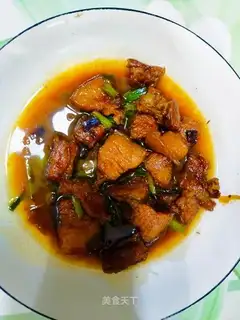
- In Sichuan braised pork (红烧肉), a splash of baijiu cuts through the richness of the pork fat, adding a subtle, clean aroma that balances the sweetness of rock sugar and saltiness of soy sauce.
- In hot pot broths, baijiu is used to "degrease" the broth, its alcohol dissolving excess fat while leaving behind a lighter, more fragrant base.
The science behind this lies in baijiu’s volatility: alcohol has a low boiling point (78°C), so it evaporates quickly, carrying flavor compounds with it. This process, known as "flavor extraction," helps release the aromas of herbs, spices, and meats, creating a more harmonious dish.
2. Tenderizing and Preserving Meat
Baijiu’s alcohol content makes it an effective tenderizer for tough cuts of meat. Alcohol denatures proteins, breaking down muscle fibers and connective tissues (collagen), making meat more tender and succulent. It also acts as a natural preservative: its high alcohol content inhibits the growth of bacteria, mold, and yeast, extending the shelf life of marinated or cured foods.
In TCM, this aligns with the concept of "warming" ingredients. Baijiu is considered a "yang" food, believed to stimulate blood circulation and dispel "cold" (a term for stagnation or poor energy flow in the body). For example, in Beggar’s Chicken (叫花鸡), chicken is marinated in baijiu and spices before being wrapped in clay and baked. The baijiu not only tenderizes the meat but is also thought to "warm" the stomach, aiding digestion—a benefit valued in TCM for centuries.
3. Potential Health Benefits (When Used Moderately)
While excessive alcohol consumption is harmful, moderate use of baijiu in cooking or as part of a traditional ritual may offer subtle health benefits, supported by both TCM and emerging research:
- Digestive Aid: In TCM, baijiu is used to "invigorate the spleen and stomach," meaning it stimulates digestion. Modern studies suggest that the organic acids in baijiu (e.g., acetic acid) may increase gastric acid secretion, improving the breakdown of food. A small 2019 study in Journal of Food Science found that adding baijiu to fatty meals reduced postprandial bloating in healthy adults, likely by enhancing lipid digestion.
- Antioxidant Properties: Phenolic compounds in baijiu, such as ferulic acid, have been shown to exhibit antioxidant activity in vitro. These compounds may neutralize free radicals, potentially reducing oxidative stress—a risk factor for chronic diseases like heart disease and cancer. However, the concentration of these compounds in baijiu is low, so their impact is minimal compared to foods like berries or green tea.
- Circulation and Warmth: TCM practitioners believe baijiu’s "warming" properties improve blood circulation, making it a remedy for cold hands and feet or menstrual cramps. While there is limited scientific evidence for this, alcohol’s vasodilatory effects (it widens blood vessels) may temporarily increase blood flow, providing a sense of warmth.
Precautions and Risks: The Importance of Moderation
Despite its culinary and traditional benefits, baijiu is not without risks. Its high alcohol content, combined with cultural practices that encourage overconsumption (e.g., toasting rituals), can lead to serious health consequences. Understanding these risks is critical to using baijiu safely.
1. High Alcohol Content and Addiction
Baijiu’s ABV (typically 40–60%) is significantly higher than that of wine (12–15%) or beer (4–6%). This increases the risk of acute alcohol poisoning, especially when consumed rapidly or on an empty stomach. Chronic heavy drinking is linked to liver damage (cirrhosis), pancreatitis, cardiovascular disease, and an increased risk of certain cancers (e.g., mouth, throat, esophagus).
Additionally, baijiu is often consumed in social settings where "bottom-up" toasting is customary, normalizing excessive intake. This cultural norm can contribute to alcohol use disorder, a condition affecting millions worldwide. The World Health Organization (WHO) recommends limiting alcohol intake to no more than 20 grams of pure alcohol per day (equivalent to ~50ml of 50% ABV baijiu), but many people exceed this regularly.
2. Drug and Food Interactions
Baijiu can interact with medications and other foods, exacerbating health risks:
- Medications: Alcohol enhances the sedative effects of benzodiazepines, opioids, and antihistamines, increasing the risk of respiratory depression. It also interferes with metabolism of drugs like metronidazole (an antibiotic) and disulfiram (used to treat alcoholism), causing nausea, vomiting, or flushing.
- Food Interactions: Combining baijiu with high-fat meals slows alcohol absorption, increasing the risk of intoxication. Conversely, drinking on an empty stomach accelerates absorption, leading to faster intoxication. Baijiu should also be avoided with nitrite-rich foods (e.g., cured meats) as alcohol may increase the conversion of nitrates to carcinogenic nitrosamines.
3. Pregnancy and Vulnerable Populations
Pregnant women, breastfeeding mothers, and individuals with liver disease, ulcers, or mental health conditions should avoid baijiu entirely. Alcohol crosses the placenta, exposing the fetus to "fetal alcohol syndrome," which causes developmental delays, facial abnormalities, and cognitive impairments. For breastfeeding mothers, alcohol passes into breast milk, potentially affecting the infant’s motor skills and sleep.
People with diabetes should also be cautious: baijiu can cause hypoglycemia (low blood sugar) when combined with insulin or oral diabetes medications, as alcohol inhibits glucose production in the liver.
4. Culinary Precautions: Quantity and Method
In cooking, "a little goes a long way" with baijiu. While alcohol evaporates during heating, some residue may remain, especially in dishes cooked at low temperatures (e.g., stir-fries) or served raw (e.g., marinades). To minimize alcohol content:
- Simmer for at least 15 minutes: This reduces alcohol by 50–70%.
- Avoid adding it at the end: Dishes like salads or cold appetizers may retain more alcohol.
- Use high-quality baijiu: Cheaper baijiu may contain additives (e.g., artificial flavors, sweeteners) that affect both flavor and safety.
Conclusion: A Spirit of Moderation and Tradition
Baijiu is a paradox: a potent spirit with minimal nutritional value, yet a culinary treasure and traditional remedy. Its true value lies not in its macronutrients, but in its ability to transform food—enhancing flavor, tenderizing meat, and preserving dishes—and its role in cultural rituals that connect people. However, this value is conditional on moderation.
For chefs and home cooks, baijiu is a tool to wield carefully: a few drops can elevate a dish, but too much can overpower it and pose health risks. For consumers, understanding its place in TCM and modern nutrition—balancing traditional beliefs with scientific evidence—is key to enjoying it safely.
In the end, baijiu’s story is one of duality: it is both a symbol of celebration and a cautionary tale. When used with respect—for flavor, for tradition, and for health—it can be a delightful part of culinary life. When abused, it becomes a threat. As with all things, the secret lies in balance.