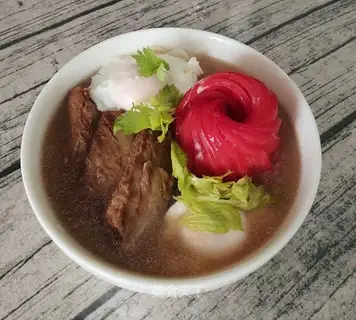
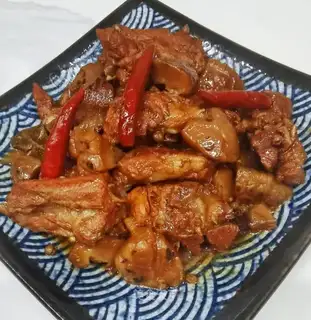
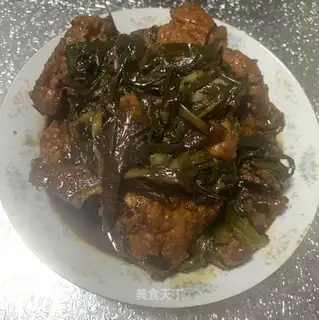
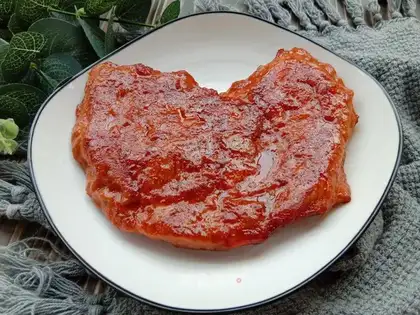
Pork, one of the most widely consumed meats globally, has been a dietary staple for centuries, valued for its versatility, flavor, and nutritional density. Among various cuts, pork chops—taken from the loin, which runs along the back of the pig—are particularly popular for their tender texture and adaptability to cooking methods like grilling, baking, or pan-searing. Beyond their culinary appeal, pork chops offer a rich profile of essential nutrients, but like all foods, they must be consumed mindfully to maximize benefits and minimize risks. This article explores the nutritional value of pork chops, their health benefits, and important considerations for safe and healthy consumption.
I. Nutritional Value of Pork Chops
Pork chops are a nutrient-dense food, providing a balanced mix of macronutrients, vitamins, and minerals that support overall health. The exact nutritional profile varies slightly depending on the cut (e.g., bone-in vs. boneless, loin vs. rib) and preparation method, but a typical 100-gram (3.5-ounce) serving of boneless, cooked pork chop (without added fat) contains approximately:
1. High-Quality Protein
Protein is crucial for building and repairing tissues, producing enzymes and hormones, and maintaining immune function. Pork chops are an excellent source of complete protein, meaning they contain all nine essential amino acids that the body cannot produce independently. A 100-gram serving provides about 22–25 grams of protein, making it comparable to other lean meats like chicken breast or beef sirloin. This high protein content also promotes satiety, helping to regulate appetite and support weight management.
2. Essential Vitamins
Pork chops are rich in several B vitamins, which play key roles in energy metabolism, brain function, and red blood cell production:
- Vitamin B1 (Thiamine): Essential for converting carbohydrates into energy. Pork is one of the best dietary sources of thiamine, with a 100-gram serving providing around 50% of the daily recommended intake (DRI).
- Vitamin B6 (Pyridoxine): Important for protein metabolism, neurotransmitter synthesis, and immune health. A single pork chop can meet 30–40% of the DRI for B6.
- Vitamin B12 (Cobalamin): Critical for nerve function and DNA production. Since B12 is primarily found in animal products, pork chops are a valuable source for vegetarians and vegans who may lack this nutrient.
- Niacin (Vitamin B3): Supports digestion, skin health, and energy production. A 100-gram serving of pork chop provides about 40% of the DRI for niacin.
3. Key Minerals
Pork chops are packed with minerals that support bone health, oxygen transport, and immune function:
- Selenium: A powerful antioxidant that protects cells from damage and supports thyroid function. Pork is one of the richest dietary sources of selenium, with a 100-gram serving providing 50–60% of the DRI.
- Zinc: Vital for immune function, wound healing, and DNA synthesis. A single pork chop can provide 30–40% of the DRI for zinc.
- Phosphorus: Works with calcium to build and maintain strong bones and teeth. A 100-gram serving of pork chop contains about 25% of the DRI for phosphorus.
- Iron: Heme iron—the type found in pork—is more easily absorbed by the body than non-heme iron (from plant sources), making pork chops an excellent food for preventing iron deficiency anemia. A 100-gram serving provides about 10–15% of the DRI for iron.
4. Fat Content
Pork chops contain both saturated and unsaturated fats. The fat content varies by cut: lean loin chops have about 6–8 grams of fat per 100 grams, while fattier cuts like rib chops may contain 12–15 grams. However, pork is naturally low in trans fats, and some cuts, such as tenderloin, are as lean as chicken breast. The fat in pork also contains oleic acid (a heart-healthy monounsaturated fat) and small amounts of omega-3 fatty acids, particularly in pasture-raised pigs.
II. Health Benefits of Pork Chops
When consumed as part of a balanced diet, pork chops offer numerous health benefits, thanks to their nutrient-rich profile.
1. Supports Muscle Growth and Repair
The high-quality protein in pork chops makes it an ideal food for athletes, older adults, and anyone looking to maintain or build muscle. Protein provides the amino acids needed for muscle protein synthesis, helping to recover from exercise and prevent age-related muscle loss (sarcopenia).
2. Boosts Energy Levels
B vitamins, particularly B1, B6, and B12, play a central role in converting food into energy. Thiamine (B1) helps break down carbohydrates, while B6 and B12 support metabolism and red blood cell production, which carry oxygen to muscles and tissues. Regular consumption of pork chops can help prevent fatigue and support overall energy levels.
3. Enhances Immune Function
Pork chops are rich in zinc and selenium, minerals that are critical for a healthy immune system. Zinc helps produce and activate immune cells, while selenium acts as an antioxidant, reducing inflammation and protecting immune cells from damage. Studies show that adequate zinc and selenium intake can reduce the severity and duration of infections like the common cold.
4. Promotes Brain Health
Vitamin B12 and choline (a nutrient found in pork) are essential for brain function. B12 helps maintain the myelin sheath that protects nerve fibers, while choline supports memory and cognitive development. A deficiency in either nutrient has been linked to cognitive decline and neurodegenerative diseases.
5. Supports Bone Health
Phosphorus and calcium work together to build and maintain strong bones. Pork chops also contain small amounts of vitamin D (in pasture-raised pigs), which enhances calcium absorption. Regular consumption can help prevent osteoporosis, especially in older adults.
6. Aids in Weight Management
The high protein and low-to-moderate fat content of lean pork chops promotes satiety, reducing hunger and overall calorie intake. Studies have shown that high-protein diets can help with weight loss by preserving muscle mass and boosting metabolism.
III. Precautions and Considerations
While pork chops offer numerous health benefits, there are important precautions to keep in mind to ensure safe and healthy consumption.
1. Cooking Safety: Avoid Undercooking
Undercooked pork can harbor harmful bacteria, such as Salmonella, E. coli, and Yersinia, as well as parasites like Trichinella. To kill these pathogens, pork must be cooked to an internal temperature of 145°F (63°C) with a 3-minute rest time. Using a meat thermometer is the most reliable way to ensure doneness. Avoid consuming rare or pink pork, especially in ground or minced forms, where bacteria are more likely to be present.
2. Limit Processed Pork Products
While fresh pork chops are a healthy choice, processed pork products (e.g., bacon, sausages, ham) are high in sodium, nitrates, and preservatives, which increase the risk of hypertension, heart disease, and certain cancers. The World Health Organization (WHO) classifies processed meats as Group 1 carcinogens, meaning there is sufficient evidence linking them to cancer. If consuming processed pork, do so in moderation and choose products with lower sodium and no added nitrates.
3. Choose Lean Cuts to Reduce Saturated Fat
While pork is not as high in saturated fat as some other meats (e.g., beef), fattier cuts like rib chops can contribute to excessive saturated fat intake, which raises LDL (“bad”) cholesterol and increases the risk of heart disease. Opt for lean cuts like loin chops or tenderloin, and trim visible fat before cooking. Grilling, baking, or broiling (instead of frying) further reduces fat content.
4. Balance with a Varied Diet
Pork chops should be part of a balanced diet that includes plenty of fruits, vegetables, whole grains, and other lean proteins. Over-reliance on any single food can lead to nutrient imbalances. For example, while pork is rich in iron, it lacks the vitamin C found in plant foods, which enhances iron absorption. Pairing pork chops with vitamin C-rich foods (e.g., bell peppers, broccoli) can optimize iron uptake.
5. Consider Individual Health Conditions
People with certain health conditions should consume pork chops with caution:
- Heart Disease: Those with high cholesterol or hypertension should limit saturated fat and sodium intake by choosing lean cuts and avoiding processed pork.
- Kidney Disease: Pork is high in protein and phosphorus, which can strain the kidneys if consumed in excess. Individuals with kidney disease should consult a healthcare provider or dietitian for personalized advice.
- Gout: Pork contains purines, which can trigger gout attacks in susceptible individuals. Moderation is key, especially during flare-ups.
6. Source Matters: Opt for Quality Pork
The quality of pork can vary depending on how the pigs were raised. Choose pork from reputable sources that prioritize animal welfare and avoid antibiotics and hormones. Pasture-raised or organic pork may have higher levels of omega-3 fatty acids and antioxidants, though it is often more expensive. Look for labels like “USDA Organic” or “Animal Welfare Approved” to ensure higher standards.
Conclusion
Pork chops are a nutrient-rich food that offers a wide range of health benefits, from supporting muscle growth and immune function to boosting energy and brain health. Their high-quality protein, B vitamins, and essential minerals make them a valuable addition to a balanced diet. However, to maximize these benefits, it is important to cook pork chops thoroughly, choose lean cuts, limit processed varieties, and consider individual health needs. By incorporating pork chops mindfully, individuals can enjoy their delicious flavor while reaping their nutritional rewards and minimizing potential risks. As with any food, moderation and quality are key to making pork chops a part of a healthy lifestyle.