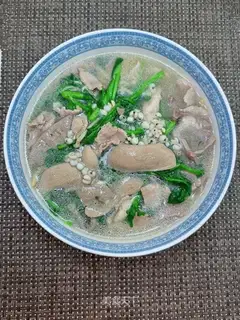
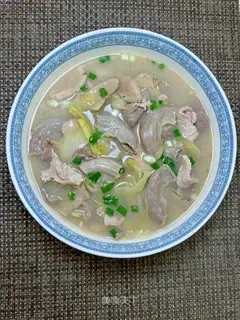
Pork kidney, a lesser-discussed yet nutrient-dense organ meat, has been a staple in traditional cuisines across Asia, Europe, and Latin America for centuries. Often overshadowed by more popular cuts like pork loin or belly, this organ is a nutritional powerhouse, packed with essential vitamins, minerals, and bioactive compounds. However, its consumption is also surrounded by misconceptions and precautions due to its unique composition. This article explores the nutritional profile of pork kidney, its evidence-based health benefits, and critical guidelines for safe consumption, aiming to provide a balanced perspective on this underrated ingredient.
Nutritional Profile of Pork Kidney
Pork kidney is a nutritional standout, offering a concentrated dose of high-quality protein, vitamins, and minerals while being relatively low in fat. A 100-gram serving of cooked pork kidney (boiled or grilled) contains approximately:
- Protein: 14–16 grams, providing all essential amino acids necessary for muscle repair, immune function, and enzyme synthesis. This makes it an excellent protein source for individuals with higher needs, such as athletes or those recovering from illness.
- Vitamins:
- Vitamin B12: ~5.8 micrograms (over 200% of the Daily Value, DV), crucial for nerve function, red blood cell formation, and DNA synthesis. Deficiency in B12 can lead to anemia and neurological damage.
- Riboflavin (B2): ~1.5 mg (90% DV), which supports energy metabolism and skin health.
- Niacin (B3): ~8 mg (50% DV), essential for converting food into energy and maintaining digestive system health.
- Vitamin A: ~150 micrograms Retinol Activity Equivalents (RAE) (15% DV), important for vision, immune function, and cell growth.
- Vitamin C: ~11 mg (12% DV), a potent antioxidant that boosts immunity and collagen production.
- Minerals:
- Selenium: ~70 micrograms (130% DV), a trace mineral that acts as an antioxidant, supports thyroid function, and enhances immune response.
- Iron: ~5 mg (28% DV), heme iron (more easily absorbed than non-heme iron), vital for preventing iron-deficiency anemia.
- Zinc: ~2.5 mg (23% DV), critical for immune function, wound healing, and DNA synthesis.
- Copper: ~0.6 mg (67% DV), which aids in iron metabolism and antioxidant defense.
- Phosphorus: ~300 mg (30% DV), key for bone health and energy production.
- Fat: Only 3–4 grams per serving, with most being unsaturated fats, and minimal cholesterol (~400 mg).
This dense nutrient profile makes pork kidney a valuable addition to a balanced diet, particularly for individuals seeking to address deficiencies in B vitamins, iron, or selenium.
Health Benefits of Pork Kidney
Beyond its nutritional content, pork kidney offers several science-backed health benefits, primarily due to its unique combination of vitamins, minerals, and bioactive compounds.
1. Supports Energy Metabolism and Nervous System Health
Pork kidney is one of the richest natural sources of vitamin B12 and B vitamins (B2, B3, B5). These vitamins play a central role in converting food into energy by aiding in the metabolism of carbohydrates, fats, and proteins. Vitamin B12, in particular, is indispensable for maintaining the myelin sheath that protects nerve fibers. Adequate B12 intake can prevent fatigue, numbness, and cognitive decline, making pork kidney beneficial for individuals with high energy demands, such as athletes or the elderly.
2. Enhances Immune Function
The high levels of selenium, zinc, and vitamin C in pork kidney create a synergistic effect for immune support. Selenium boosts the activity of antioxidant enzymes like glutathione peroxidase, which neutralizes harmful free radicals. Zinc is essential for the development and function of immune cells, such as neutrophils and natural killer cells. Vitamin C, meanwhile, stimulates white blood cell production and enhances their ability to fight infections. Regular consumption of pork kidney may reduce the severity and duration of common illnesses like colds and flu.
3. Promotes Red Blood Cell Production and Prevents Anemia
Iron deficiency is one of the most common nutritional deficiencies worldwide, leading to anemia characterized by fatigue, weakness, and shortness of breath. Pork kidney provides heme iron, which has a bioavailability of 15–35%, compared to 2–20% for non-heme iron from plant sources. Pairing it with vitamin C-rich foods (e.g., bell peppers, broccoli) further enhances iron absorption. Additionally, the vitamin B12 and folate content in pork kidney support red blood cell maturation, making it a powerful food for preventing and treating anemia.
4. Supports Thyroid and Antioxidant Defense
Selenium is a critical component of the enzyme iodothyronine deiodinase, which activates thyroid hormones (T3) from the inactive form (T4). Adequate selenium intake ensures optimal thyroid function, regulating metabolism, body temperature, and growth. Moreover, selenium’s antioxidant properties protect cells from oxidative stress, which is linked to chronic diseases like cancer, heart disease, and diabetes. Pork kidney’s selenium content surpasses that of many other animal products, making it an excellent choice for thyroid and cellular health.
5. Contributes to Reproductive Health
Pork kidney is rich in zinc and vitamin A, both of which are vital for reproductive health. Zinc is essential for sperm production in men and egg development in women, while vitamin A supports fetal development during pregnancy. Traditional medicine systems, such as Traditional Chinese Medicine (TCM), have long regarded pork kidney as a "food therapy" ingredient for enhancing fertility and vitality, though modern research is needed to fully validate these claims.
Precautions and Potential Risks
While pork kidney offers numerous health benefits, its consumption requires caution due to its high content of certain nutrients and potential contaminants.
1. High Cholesterol and Purine Content
Pork kidney contains ~400 mg of cholesterol per 100 grams, which is significantly higher than lean meats like chicken breast (100 mg). However, dietary cholesterol has a minimal impact on blood cholesterol levels for most people, as the liver regulates its production. For individuals with hypercholesterolemia or heart disease, moderation is key (limiting intake to 1–2 times per week).
Additionally, pork kidney is high in purines (150–200 mg per 100 grams), which can trigger gout flare-ups in susceptible individuals. Purines break down into uric acid, and excessive accumulation leads to crystal formation in joints, causing pain and inflammation. People with gout or kidney problems should avoid or strictly limit pork kidney consumption.
2. Risk of Contaminants and Toxins
As a filtering organ, the kidney metabolizes and excretes toxins from the body, which may lead to the accumulation of heavy metals (e.g., lead, cadmium) or residues from medications (e.g., antibiotics) in conventionally raised pigs. To minimize risk:
- Choose high-quality sources: Opt for organic, pasture-raised, or locally sourced pork from reputable suppliers.
- Proper preparation: Soak the kidney in cold water with a tablespoon of vinegar or lemon juice for 1–2 hours before cooking to reduce residual toxins and improve texture.
- Cook thoroughly: Cooking to an internal temperature of 70°C (158°F) kills harmful bacteria like E. coli and Salmonella.
3. Sodium and Additives
Processed pork kidney products (e.g., cured kidneys, sausages) are often high in sodium and preservatives (e.g., nitrates), which can increase blood pressure and the risk of cardiovascular disease. Fresh, unprocessed kidneys are the healthiest choice.
4. Pregnancy and Special Populations
Pregnant women should consume pork kidney in moderation due to its high vitamin A content. Excessive preformed vitamin A (retinol) can cause birth defects. Additionally, individuals with kidney disease should avoid it, as the high protein and mineral content may strain kidney function.
Conclusion
Pork kidney is a nutrient-dense ingredient that offers a wide range of health benefits, from boosting energy and immunity to preventing anemia and supporting thyroid function. Its rich profile of B vitamins, iron, selenium, and zinc makes it a valuable addition to a balanced diet, particularly for individuals with specific nutritional needs. However, moderation and proper preparation are essential to mitigate risks associated with cholesterol, purines, and potential contaminants.
By sourcing high-quality kidneys, soaking them to reduce toxins, and cooking them thoroughly, consumers can safely enjoy this underrated superfood. Whether incorporated into stir-fries, stews, or grilled dishes, pork kidney deserves recognition not just as a culinary delicacy, but as a nutritional powerhouse that bridges tradition and modern wellness. As with any food, informed choices and balance are key to reaping its benefits while minimizing potential drawbacks.