Pig intestine, a often-misunderstood yet revered ingredient in global cuisines, has been a staple in traditional diets for centuries. From the crispy chicharrones of Mexico to the spicy mala hotpot dishes of China and the hearty andouille sausages of Louisiana, this organ meat offers a unique combination of texture, flavor, and nutritional benefits. However, its consumption is often shrouded in misconceptions, with concerns about fat content, cholesterol, and food safety overshadowing its potential value. This article delves into the nutritional profile of pig intestine, its health benefits, and the essential precautions to take when preparing and consuming it, aiming to provide a comprehensive guide for the curious and adventurous food enthusiast.
Nutritional Profile: More Than Meets the Eye
Pig intestine is a nutrient-dense food, rich in high-quality protein, vitamins, and minerals, though it also contains higher levels of fat and cholesterol compared to muscle meats. A 100-gram serving of cooked pig intestine provides approximately 200-250 calories, with 20-25 grams of protein, making it an excellent source of complete protein containing all nine essential amino acids necessary for tissue repair, immune function, and enzyme production.
Its most notable micronutrients include:
- Vitamin B12: Crucial for nerve function, DNA synthesis, and red blood cell formation, pig intestine is one of the best dietary sources of this vitamin, with a single serving providing over 100% of the daily recommended intake.
- Iron: Particularly heme iron, which is more easily absorbed by the body than non-heme iron from plant sources. This makes it beneficial for preventing iron-deficiency anemia, especially for individuals with higher iron needs, such as pregnant women or athletes.
- Zinc: Essential for immune health, wound healing, and DNA synthesis, pig intestine contains significant amounts of zinc, supporting metabolic processes and antioxidant defense.
- Selenium: A powerful antioxidant that helps protect cells from damage, selenium levels in pig intestine are notably high, contributing to thyroid function and immune support.
- Collagen and Glycine: As a connective tissue-rich organ, pig intestine is a natural source of collagen and glycine, amino acids that support joint health, skin elasticity, and gut lining integrity.
However, it is important to acknowledge its fat content: pig intestine contains 15-20 grams of fat per 100 grams, with a mix of saturated and unsaturated fats. While high in saturated fat, which should be consumed in moderation, it also provides small amounts of omega-3 and omega-6 fatty acids. Additionally, its cholesterol content is relatively high (around 150-200 mg per 100 grams), but recent research suggests that dietary cholesterol has less impact on blood cholesterol levels for most people than previously thought, with saturated and trans fats being larger contributors.
Health Benefits: Beyond Basic Nutrition
When prepared and consumed mindfully, pig intestine can offer several health benefits, leveraging its unique nutrient profile.
1. Supports Blood Health and Anemia Prevention
The combination of high-quality heme iron and vitamin B12 makes pig intestine a potent food for combating anemia. Iron is a key component of hemoglobin, which carries oxygen in the blood, while B12 is necessary for the production of healthy red blood cells. Individuals with iron-deficiency anemia or pernicious anemia (caused by B12 deficiency) may benefit from including moderate amounts of pig intestine in their diet, particularly when paired with vitamin C-rich foods (like bell peppers or citrus) to enhance iron absorption.
2. Boosts Immune Function
Zinc and selenium in pig intestine play critical roles in immune regulation. Zinc deficiency impairs immune cell development and function, increasing susceptibility to infections, while selenium enhances the activity of antioxidants that reduce inflammation and support immune responses. Regular consumption of pig intestine, as part of a balanced diet, may help strengthen the body’s defenses against common illnesses.
3. Promotes Skin and Joint Health
Collagen and glycine, abundant in pig intestine, are foundational for maintaining skin elasticity, joint flexibility, and connective tissue strength. Collagen is a major structural protein in skin, bones, and cartilage, and its production declines with age. Including collagen-rich foods like pig intestine may help mitigate signs of aging, such as wrinkles and joint stiffness, when combined with a diet rich in vitamin C (which aids collagen synthesis).
4. Enhances Metabolic Function
B vitamins, including B12, riboflavin (B2), and niacin (B3), are essential for converting food into energy. These vitamins act as coenzymes in metabolic pathways, helping the body break down carbohydrates, fats, and proteins. Pig intestine’s high B12 content is particularly beneficial for individuals following plant-based diets, who are at risk of B12 deficiency, as it supports energy production and nervous system health.
Culinary Uses: A Global Delicacy
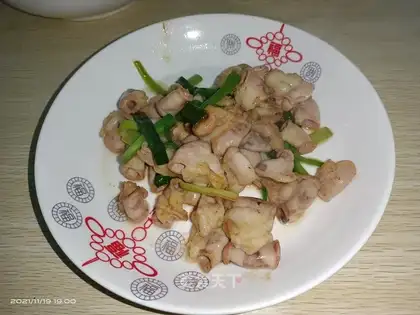
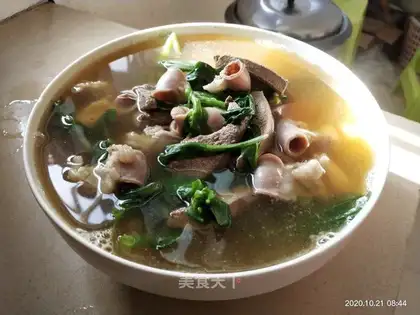
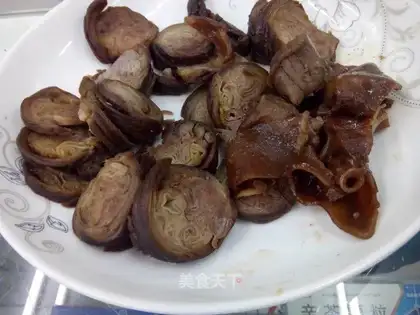
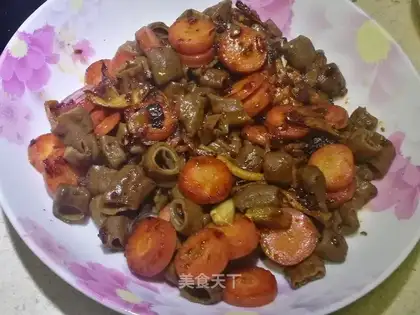
Beyond its nutritional value, pig intestine is prized in culinary traditions worldwide for its unique texture and ability to absorb flavors. In Chinese cuisine, guan chang (pig intestine) is stir-fried with garlic, ginger, and chili or braised in soy sauce for a tender, chewy texture. In Filipino cuisine, isaw (grilled pig intestine) is a popular street food, marinated in vinegar and spices before being grilled to crispy perfection. European cuisines also feature pig intestine, such as the French andouille sausage (made from coarsely chopped intestine and pork) and the German kalbfleisch (calf intestine, often used in sausages).
Preparation methods vary, but key steps include thorough cleaning (to remove impurities), blanching (to eliminate odors), and slow cooking (to tenderize the tissue). When cooked properly, pig intestine becomes a versatile ingredient that adds depth to soups, stews, and grilled dishes, offering a rich, umami flavor that complements a wide range of spices and sauces.
Precautions and Potential Risks
While pig intestine offers numerous benefits, it is not without risks, primarily related to its preparation, contamination, and individual health conditions.
1. Proper Cleaning and Preparation
Pig intestine is a porous organ that can harbor bacteria, parasites, and residual waste if not cleaned thoroughly. To ensure safety:
- Clean thoroughly: Rinse the intestine under cold running water, then rub with salt, vinegar, or flour to remove mucus and debris. Some recipes recommend soaking in baking soda or lime water to further neutralize odors and bacteria.
- Blanch before cooking: Boil the intestine for 5-10 minutes to kill surface pathogens and tenderize the tissue.
- Cook thoroughly: Ensure the intestine is fully cooked (internal temperature reaches 70°C/160°F) to eliminate harmful bacteria like Salmonella, E. coli, or Listeria.
2. High Fat and Cholesterol Content
While dietary cholesterol is less impactful than once believed, pig intestine’s high saturated fat content (around 5-7 grams per 100 grams) may contribute to elevated LDL (“bad”) cholesterol levels in individuals with existing heart disease or high cholesterol. Those with cardiovascular concerns should consume pig intestine in moderation (no more than once or twice a month) and pair it with fiber-rich vegetables (like broccoli or spinach) to help mitigate fat absorption.
3. Purine Content and Gout Risk
Pig intestine is high in purines, natural compounds that break down into uric acid in the body. For individuals with gout or hyperuricemia, excessive purine intake can trigger painful flare-ups by increasing uric acid levels. Such individuals should avoid pig intestine or limit consumption to very small amounts.
4. Food Safety and Sourcing
Choose intestines from reputable suppliers to ensure they come from healthy, disease-free animals. Avoid intestines with an off odor, unusual color, or slimy texture, as these may indicate spoilage. Pregnant women, young children, and individuals with weakened immune systems (e.g., those undergoing chemotherapy or with HIV) should avoid pig intestine due to the higher risk of foodborne illness.
Conclusion: A Balanced Perspective
Pig intestine is a nutrient-rich ingredient that, when prepared and consumed responsibly, can be a valuable addition to a balanced diet. Its high protein, vitamin B12, iron, and collagen content offer benefits for blood health, immune function, and skin and joint integrity. However, its high fat and purine levels necessitate moderation, particularly for individuals with heart disease, gout, or compromised immune systems.
By prioritizing thorough cleaning, proper cooking, and mindful sourcing, food enthusiasts can safely enjoy the unique culinary and nutritional qualities of pig intestine. As with any food, the key lies in balance: incorporating this traditional ingredient as part of a diverse diet allows us to appreciate its cultural significance and health benefits while minimizing potential risks. Whether in a spicy Sichuan hotpot or a hearty French sausage, pig intestine reminds us that off-cuts and organ meats often hold some of the most rewarding flavors and nutrients—if we approach them with knowledge and respect.