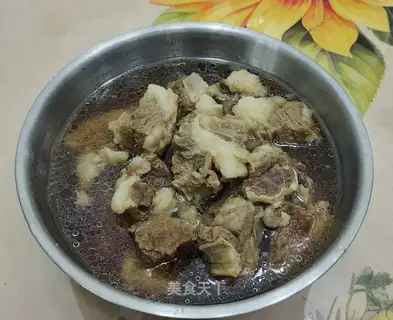
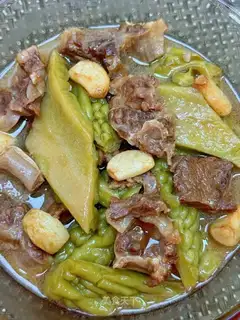
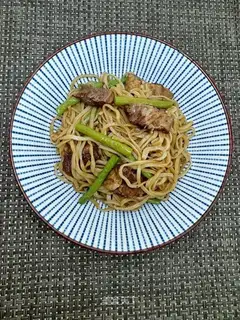
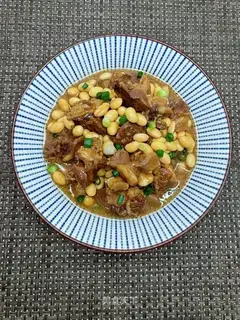
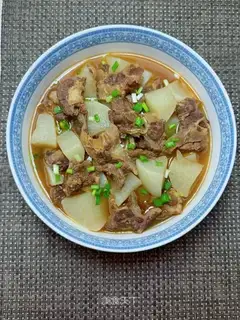
Beef brisket, a cut of meat from the breast or lower chest of a cow, is a beloved ingredient worldwide, celebrated for its rich flavor, tender texture when slow-cooked, and impressive nutritional profile. As a staple in cuisines ranging from traditional British stews and American barbecue to Korean soups and Indian curries, it has transcended cultural boundaries to become a symbol of comfort and indulgence. Beyond its culinary appeal, beef brisket offers a wealth of nutrients that support overall health, but it also requires mindful consumption to maximize benefits and minimize risks. This article explores the nutritional value of beef brisket, its health benefits, and important considerations for safe and enjoyable consumption.
Nutritional Value of Beef Brisket
Beef brisket is a nutrient-dense meat, providing a rich combination of high-quality protein, essential vitamins, and minerals that are vital for bodily functions. A 100-gram serving of cooked beef brisket (trimmed of visible fat) contains approximately:
- Protein: ~25–30 grams, including all nine essential amino acids (lysine, leucine, valine, etc.) that the body cannot produce independently. Protein is crucial for muscle repair, immune function, and enzyme production.
- Vitamins:
- Vitamin B12: ~2.6 micrograms (over 100% of the Daily Value), essential for nerve function, DNA synthesis, and red blood cell formation.
- Niacin (B3): ~7–8 mg, supporting energy metabolism and skin health.
- Vitamin B6: ~0.6 mg, aiding in protein metabolism and neurotransmitter regulation.
- Selenium: ~20–25 micrograms, a powerful antioxidant that protects cells from damage.
- Minerals:
- Iron: ~2.5–3 mg (heme iron), which is highly bioavailable and critical for preventing iron-deficiency anemia.
- Zinc: ~5–6 mg, supporting immune health, wound healing, and DNA synthesis.
- Phosphorus: ~200 mg, vital for bone health and energy production.
- Potassium: ~350 mg, regulating blood pressure and fluid balance.
Notably, brisket also contains smaller amounts of creatine (for muscle energy) and conjugated linoleic acid (CLA), a fatty acid linked to potential metabolic benefits. However, it is important to note that brisket is relatively high in fat (especially saturated fat) and calories—100 grams of cooked brisket may contain 250–300 calories and 15–20 grams of fat, with 6–8 grams being saturated. This makes portion control and preparation methods key to incorporating it into a balanced diet.
Health Benefits of Beef Brisket
When consumed as part of a balanced diet, beef brisket offers several health benefits, thanks to its unique nutrient composition.
1. Supports Muscle Maintenance and Growth
The high-quality protein in brisket is rich in branched-chain amino acids (BCAAs), particularly leucine, which stimulates muscle protein synthesis. This makes it an excellent choice for athletes, older adults (to combat sarcopenia), or anyone recovering from injury. A 3-ounce serving of brisket provides over 50% of the daily protein requirement for most adults, aiding in muscle repair and growth.
2. Boosts Energy and Metabolism
The B vitamins in brisket play a pivotal role in converting food into energy. Vitamin B12, in particular, is essential for converting carbohydrates into glucose, the body’s primary energy source. A deficiency in B12 can lead to fatigue, weakness, and neurological issues, making brisket a valuable dietary source for individuals with increased energy needs, such as pregnant women or athletes.
3. Enhances Immune Function
Zinc and selenium in brisket are critical for a healthy immune system. Zinc supports the development and function of immune cells, while selenium acts as an antioxidant, reducing inflammation and protecting against oxidative stress. Studies show that adequate zinc intake can reduce the duration and severity of colds, making brisket a winter staple for immune support.
4. Promotes Red Blood Cell Health
The heme iron in brisket is more easily absorbed than non-heme iron (found in plants), making it highly effective for preventing and treating iron-deficiency anemia. Iron is a key component of hemoglobin, which carries oxygen from the lungs to tissues. Individuals with low iron levels—such as women of childbearing age or vegetarians transitioning to meat—may benefit from including brisket in their diet.
5. Supports Bone Health
Phosphorus and calcium work together to build and maintain strong bones. While brisket is not a significant source of calcium, its phosphorus content (about 20% of the daily value) supports bone mineralization. Additionally, the protein in brisket provides the structural framework for bone tissue, reducing the risk of osteoporosis.
6. Potential Anti-Inflammatory Benefits
Conjugated linoleic acid (CLA), found in grass-fed beef brisket, has been studied for its anti-inflammatory properties. Some research suggests that CLA may help reduce inflammation, improve insulin sensitivity, and support weight management. However, more human studies are needed to confirm these effects.
食用禁忌 (Dietary Restrictions and Considerations)
While beef brisket offers numerous health benefits, it is not suitable for everyone, and excessive consumption can lead to health risks. Understanding these considerations is essential for safe consumption.
1. High Saturated Fat Content
Brisket is relatively high in saturated fat, which, when consumed in excess, can raise LDL (“bad”) cholesterol levels and increase the risk of heart disease. The American Heart Association recommends limiting saturated fat to less than 5–6% of daily calories (about 13–15 grams for a 2,000-calorie diet). To reduce fat intake, opt for leaner cuts, trim visible fat before cooking, and avoid adding excessive oil or butter during preparation.
2. Sodium Concerns
Processed brisket products, such as corned beef or brisket jerky, are often high in sodium due to curing and seasoning. A 100-gram serving of corned beef may contain over 1,500 mg of sodium (over 60% of the daily limit), increasing the risk of high blood pressure and fluid retention. For individuals with hypertension or kidney disease, fresh, unprocessed brisket is a better choice, and seasoning should be done with herbs and spices rather than salt.
3. Purine Content and Gout
Beef brisket is high in purines, natural compounds that break down into uric acid in the body. Excess uric acid can lead to gout, a painful form of arthritis characterized by joint inflammation. Individuals with gout or a history of kidney stones should limit or avoid high-purine foods like brisket, especially during flare-ups.
4. Allergies and Intolerances
While rare, some people may have allergies to beef proteins, which can cause symptoms such as hives, digestive upset, or anaphylaxis. Additionally, individuals with lactose intolerance should be cautious with marinated brisket, as some recipes include dairy-based ingredients (e.g., buttermilk or yogurt).
5. Cooking Methods Matter
The way brisket is cooked significantly impacts its health profile. Grilling, frying, or charring at high temperatures can produce harmful compounds such as heterocyclic amines (HCAs) and polycyclic aromatic hydrocarbons (PAHs), which are linked to cancer risk. To minimize these compounds, opt for slow-cooking methods (braising, stewing, or smoking at low temperatures) and avoid charring the meat. Marinating brisket in acidic solutions (e.g., vinegar or lemon juice) can also reduce HCA formation by up to 90%.
6. Ethical and Environmental Considerations
For some consumers, the ethical and environmental impact of beef production may be a concern. Beef production is resource-intensive, requiring large amounts of water, land, and feed, and it contributes to greenhouse gas emissions. Choosing grass-fed, pasture-raised brisket or reducing overall meat consumption can mitigate these impacts.
Conclusion
Beef brisket is a versatile and nutrient-rich meat that offers a wide range of health benefits, from muscle support to immune function. Its high protein, vitamin, and mineral content makes it a valuable addition to a balanced diet, but its saturated fat, sodium, and purine levels require mindful consumption. By choosing lean cuts, adopting healthy cooking methods, and portioning appropriately, individuals can enjoy brisket’s culinary and nutritional advantages while minimizing risks. Whether simmered in a hearty stew, smoked to perfection, or braised with aromatic spices, beef brisket remains a timeless ingredient that nourishes both body and soul—when enjoyed with wisdom and moderation.