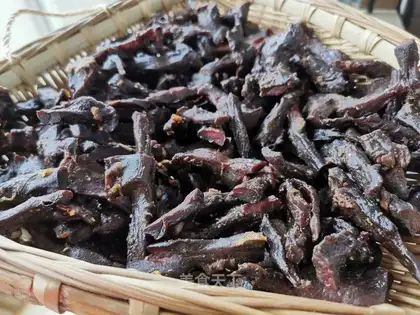
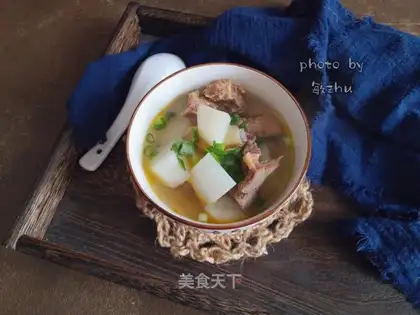
Yak (Bos grunniens), a iconic species of the Tibetan Plateau, has been a lifeline for高原高原 (plateau) dwellers for millennia. Renowned for its adaptability to extreme altitudes, harsh climates, and scarce vegetation, the yak is not only a symbol of resilience but also a source of highly nutritious meat. In recent years, yak meat has gained global attention as a premium, healthy alternative to conventional meats like beef, pork, and chicken. This article explores the nutritional profile of yak meat, its health benefits, and important precautions for consumption, shedding light on why this "superfood" from the roof of the world is capturing the interest of health-conscious consumers worldwide.
I. Nutritional Value of Yak Meat
Yak meat is a nutritional powerhouse, boasting a unique composition that sets it apart from other red meats. Its nutritional profile is shaped by the yak’s natural habitat: grazing on alpine grasses, herbs, and shrubs at elevations of 3,000–5,000 meters, free from artificial feed and hormones. This results in meat that is lean, high in protein, and rich in essential micronutrients.
1. High Protein, Low Fat
Yak meat is exceptionally lean, with a fat content ranging from 3% to 5%, significantly lower than beef (which can contain 15–20% fat, depending on the cut). This makes it an ideal choice for individuals seeking to reduce fat intake without compromising protein. A 100-gram serving of cooked yak meat provides approximately 25–30 grams of high-quality protein, containing all nine essential amino acids (lysine, leucine, isoleucine, etc.) that the human body cannot synthesize. Protein is vital for muscle repair, immune function, and enzyme production, making yak meat an excellent option for athletes, fitness enthusiasts, and those recovering from illness.
2. Rich in Essential Fatty Acids
Despite its low fat content, yak meat is a good source of healthy fats, particularly omega-3 and omega-6 polyunsaturated fatty acids (PUFAs). These fatty acids play a crucial role in heart health, reducing inflammation, and supporting brain function. The ratio of omega-6 to omega-3 in yak meat is approximately 2:1, which is considered optimal for human health (compared to 4:1 or higher in grain-fed beef). Additionally, yak meat contains conjugated linoleic acid (CLA), a fatty acid linked to improved metabolism, reduced body fat, and enhanced immune response.
3. Abundant in Vitamins and Minerals
Yak meat is a treasure trove of essential vitamins and minerals, many of which are more concentrated than in other red meats:
- Iron: Yak meat is rich in heme iron, the form of iron most easily absorbed by the body. A 100-gram serving provides approximately 3–4 milligrams of iron, meeting 15–20% of the daily recommended intake for adults. Iron is critical for preventing anemia, supporting oxygen transport in the blood, and maintaining energy levels.
- Zinc: With 4–5 milligrams of zinc per 100 grams, yak meat supports immune function, wound healing, and DNA synthesis. Zinc deficiency is linked to weakened immunity and delayed growth, making this mineral particularly important for children and the elderly.
- B Vitamins: Yak meat is high in B vitamins, including B12 (essential for nerve function and red blood cell formation), niacin (for energy metabolism), and riboflavin (for skin and eye health). These vitamins are often lacking in plant-based diets, making yak meat a valuable addition for omnivores.
- Selenium and Phosphorus: Selenium, a powerful antioxidant, helps protect cells from damage, while phosphorus supports bone health and energy production. Yak meat contains 20–30 micrograms of selenium per 100 grams, contributing to daily antioxidant defense.
4. Low in Cholesterol
Compared to beef, yak meat has lower cholesterol levels (around 60–70 milligrams per 100 grams), making it a heart-friendly choice. High cholesterol is a risk factor for cardiovascular diseases, and replacing fatty meats with lean options like yak meat can help improve lipid profiles and reduce the risk of heart attacks and strokes.
II. Health Benefits of Yak Meat
The unique nutritional composition of yak meat translates into a range of health benefits, from improved physical performance to enhanced chronic disease prevention.
1. Supports Muscle Growth and Repair
Thanks to its high protein and amino acid content, yak meat is an excellent food for muscle maintenance and growth. Leucine, an essential amino acid abundant in yak meat, stimulates muscle protein synthesis, making it particularly beneficial for athletes, bodybuilders, and older adults at risk of sarcopenia (age-related muscle loss). The low fat content also reduces post-meal inflammation, aiding faster recovery after intense exercise.
2. Boosts Immune Function
Yak meat’s rich zinc and selenium content strengthens the immune system. Zinc is crucial for the development and function of immune cells, while selenium enhances the activity of antioxidants that combat free radicals. Regular consumption of yak meat may help reduce the frequency of infections and improve the body’s ability to fight pathogens.
3. Promotes Heart Health
The combination of low fat, low cholesterol, and high omega-3 fatty acids makes yak meat a heart-healthy food. Omega-3s reduce triglyceride levels, lower blood pressure, and decrease the risk of arterial plaque formation. CLA, found in yak meat, has been shown to improve lipid metabolism and reduce LDL ("bad") cholesterol, further protecting against cardiovascular diseases.
4. Enhances Energy and Combats Fatigue
Iron and B vitamins in yak meat play a key role in energy production. Iron ensures efficient oxygen transport to muscles and organs, while B vitamins help convert food into usable energy. Individuals with iron deficiency anemia often experience fatigue, weakness, and shortness of breath; incorporating yak meat into their diet can help alleviate these symptoms and boost overall energy levels.
5. Supports Weight Management
Yak meat’s high protein and low fat content make it a satiating food, helping to control appetite and reduce overall calorie intake. Protein takes longer to digest than carbohydrates, keeping you full for longer and reducing the likelihood of overeating. Additionally, CLA has been linked to increased fat burning and reduced body fat, making yak meat a valuable ally for weight loss or maintenance.
6. Beneficial for Bone Health
Yak meat is a good source of phosphorus and small amounts of calcium, both essential for bone health. Phosphorus works with calcium to build and maintain strong bones and teeth. For older adults, who are at higher risk of osteoporosis, the protein in yak meat also helps preserve bone density by supporting collagen production.
III. Precautions and Considerations for Consumption
While yak meat offers numerous health benefits, there are important precautions to keep in mind to ensure safe and optimal consumption.
1. Quality and Sourcing
Given its growing popularity, not all yak meat products are of equal quality. When purchasing yak meat, prioritize reputable sources that guarantee the meat is from free-range, grass-fed yaks raised without antibiotics or hormones. Imported yak meat should comply with food safety standards to avoid contamination. Fresh yak meat should have a deep red color, firm texture, and no off-odor; frozen meat should be thawed safely in the refrigerator to preserve its nutritional value.
2. Cooking Methods
Like all red meats, yak meat should be cooked thoroughly to kill harmful bacteria such as E. coli and Salmonella. However, overcooking can destroy heat-sensitive vitamins (like B vitamins) and make the meat tough. Opt for gentle cooking methods such as grilling, roasting, or stewing, and use a meat thermometer to ensure the internal temperature reaches at least 63°C (145°F) for whole cuts or 71°C (160°F) for ground meat. Avoid frying at high temperatures, as this can produce harmful compounds like heterocyclic amines (HCAs).
3. Moderation for Specific Populations
- Individuals with Gout: Yak meat is moderately high in purines, which can trigger gout attacks in susceptible individuals. Those with a history of gout should consume yak meat in moderation and consult a healthcare provider.
- Pregnant Women: While yak meat is a good source of iron and protein, pregnant women should ensure it is fully cooked to avoid toxoplasmosis, a parasitic infection that can harm the fetus.
- People with Digestive Sensitivities: Lean meats like yak meat can be easier to digest than fatty meats, but some individuals may still experience discomfort due to its high protein content. Starting with small portions and pairing it with fiber-rich vegetables can aid digestion.
4. Allergies and Cross-Contamination
Although rare, some individuals may have allergies to red meat, including yak meat. Symptoms can range from mild (hives, itching) to severe (anaphylaxis). Those with known meat allergies should avoid yak meat. Additionally, individuals with celiac disease or gluten sensitivity should ensure that processed yak meat products (e.g., sausages, marinated cuts) are free from gluten-containing additives.
5. Environmental and Ethical Considerations
Yak meat is often marketed as a sustainable and ethical choice due to the yaks’ natural, low-impact grazing practices. However, consumers should support brands that prioritize animal welfare and sustainable farming practices. Overgrazing by yaks can also degrade fragile alpine ecosystems, so choosing products from certified sustainable sources helps minimize environmental harm.
Conclusion
Yak meat is a nutritional gem, offering a unique combination of high protein, low fat, and abundant essential nutrients that support overall health. From muscle growth and immune function to heart health and weight management, its benefits make it a standout choice for health-conscious consumers. However, to fully enjoy its advantages, it is important to source high-quality meat, cook it properly, and consume it in moderation, especially for those with specific health conditions. As global demand for healthy, sustainable foods grows, yak meat is poised to become a staple in diets worldwide, bridging traditional wisdom with modern nutrition science. By understanding its value and respecting its origins, we can savor this "superfood" from the roof of the world while supporting both personal health and environmental sustainability.