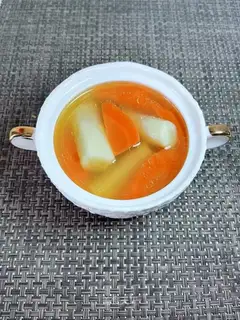
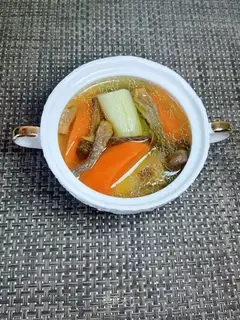
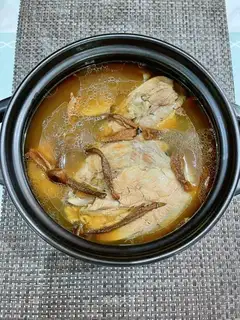
When it comes to chicken, most people focus on breast meat or thighs, overlooking one of the most nutrient-dense parts of the bird: the skeleton. Often discarded as "waste," the chicken skeleton—comprising bones, cartilage, marrow, and residual connective tissue—is a nutritional treasure trove, packed with protein, collagen, amino acids, minerals, and unique bioactive compounds. For centuries, cultures worldwide have harnessed its potential through slow-simmered broths, stocks, and medicinal soups, recognizing its ability to nourish, heal, and sustain. Today, as interest in nose-to-tail eating and functional foods grows, the chicken skeleton is gaining well-deserved attention for its impressive health benefits. This article explores its nutritional profile, evidence-based health benefits, and important precautions to maximize its safely and efficacy.
Nutritional Profile: More Than Just "Bone Broth" Base
The chicken skeleton’s nutritional value lies in its diverse composition, which differs markedly from muscle meat. While a raw chicken breast is primarily protein (≈31g per 100g) with minimal fat, the skeleton—bones, cartilage, and marrow—offers a unique blend of macronutrients, micronutrients, and specialized compounds.
Protein and Collagen: Building Blocks for Tissue Repair
Bones and connective tissues are rich in structural proteins, particularly collagen. Collagen is the most abundant protein in the human body, accounting for 30% of total protein, and it plays a critical role in maintaining skin elasticity, joint health, and gut integrity. The chicken skeleton contains type I and type II collagen: type I, dominant in bones and skin, supports skin, bone, and tendon strength; type II, found in cartilage, is key for joint lubrication.
When simmered, collagen breaks down into gelatin, a easier-to-digest form rich in amino acids like glycine, proline, and hydroxyproline. These amino acids are essential for synthesizing new collagen in the body, repairing damaged tissues, and supporting metabolic functions. A cup of homemade chicken bone broth, for example, contains 6–10g of protein, mostly from gelatin, along with these amino acids.
Minerals: The "Hidden Reservoir" for Bone and Blood Health
Chicken bones are a concentrated source of minerals, many of which are crucial for physiological processes. These include:
- Calcium: The primary mineral in bones, calcium is vital for bone density, muscle contraction, and nerve signaling. While the calcium in bones is bound in a complex form (hydroxyapatite), slow cooking with a small amount of acid (e.g., vinegar or lemon juice) helps release it into the broth. A cup of bone broth can provide 50–100mg of calcium, depending on simmering time and ingredients.
- Phosphorus: Works synergistically with calcium to build and maintain bones and teeth; it also supports energy production (as part of ATP) and cell function.
- Magnesium: Involved in over 300 enzymatic reactions, magnesium supports muscle relaxation, blood pressure regulation, and blood sugar control.
- Selenium: A trace mineral with potent antioxidant properties, selenium protects cells from oxidative damage and supports thyroid function. Chicken bones contain selenium, especially if the bird was fed a selenium-rich diet.
- Iron: Present in smaller amounts but in a more bioavailable form when combined with the collagen matrix, iron is essential for oxygen transport in hemoglobin and preventing anemia.
Bioactive Compounds: Beyond Basic Nutrition
The skeleton also houses unique compounds that contribute to health:
- Chondroitin and Glucosamine: Found in cartilage, these are well-known for joint health. Chondroitin helps retain water in cartilage, improving shock absorption, while glucosamine supports cartilage repair. Studies show these compounds reduce pain and stiffness in osteoarthritis, though their concentration in homemade broth is lower than in supplements, regular consumption may still offer benefits.
- Hydrolyzed Collagen Peptides: When collagen is broken down during cooking, it forms peptides that are easily absorbed. These peptides have been shown to boost skin hydration, reduce wrinkles, and support muscle recovery post-exercise.
- Marrow: The soft tissue inside bones is rich in fats, including monounsaturated fats (oleic acid) and fat-soluble vitamins (A, D, E, K). Marrow also contains conjugated linoleic acid (CLA), which has been linked to improved immune function and reduced body fat in animal studies.
Health Benefits: From Traditional Wisdom to Modern Science
The health benefits of chicken skeleton-derived foods—primarily broths, stocks, and soups—are supported by both traditional use and emerging scientific research. These benefits span joint health, gut healing, immune support, and more.
1. Joint and Bone Health: A Natural "Lubricant" for Movement
Joint health is one of the most well-documented benefits of chicken skeleton consumption. The chondroitin, glucosamine, and collagen in cartilage and bones help maintain cartilage integrity, reduce inflammation, and alleviate symptoms of osteoarthritis. A 2017 review in Journal of Medicinal Food found that collagen peptides from animal bones reduced joint pain and improved physical function in patients with osteoarthritis, likely by stimulating collagen synthesis in cartilage.
For bone health, the calcium, phosphorus, and magnesium in bone broth work together to support bone mineral density. Postmenopausal women, who are at high risk of osteoporosis, may particularly benefit: a 2020 study in Nutrients found that regular consumption of collagen-rich bone broth increased markers of bone formation in postmenopausal women, due to the amino acid proline’s role in osteoblast (bone-building cell) activity.
2. Gut Health: Healing the "Second Brain"
The gelatin from chicken skeleton collagen is a powerhouse for gut health. Gelatin soothes the intestinal lining, promotes mucus production, and supports the growth of beneficial gut bacteria. It is particularly beneficial for individuals with leaky gut syndrome (increased intestinal permeability), a condition linked to inflammation, autoimmune diseases, and food sensitivities.
Glycine, an amino acid abundant in gelatin, enhances gut barrier function by upregulating tight junction proteins—cellular "gatekeepers" that prevent undigested food and bacteria from entering the bloodstream. A 2019 study in Frontiers in Physiology demonstrated that glycine supplementation reduced intestinal inflammation in mice with colitis, suggesting similar benefits for humans. For those with digestive issues like IBS or bloating, warm bone broth can be easily tolerated and provide gentle nourishment.
3. Immune Support: "Jewish Penicillin" Backed by Science
Chicken soup has long been dubbed "Jewish penicillin" for its ability to fight colds and flu, and modern research confirms its immune-boosting properties. The combination of amino acids (like cysteine, released from chicken during cooking), minerals, and anti-inflammatory compounds in bone broth helps modulate immune function.
Cysteine, a precursor to glutathione (the body’s master antioxidant), thins mucus in the respiratory tract, easing congestion. A 2000 study in Chest found that chicken soup inhibited the movement of neutrophils (immune cells that contribute to cold symptoms), reducing inflammation in the airways. Additionally, the warmth of the soup increases blood flow to mucous membranes, helping to flush out pathogens and hydrate the body—critical during illness when dehydration is a risk.
4. Skin, Hair, and Nail Health: Collagen for Radiance
As we age, collagen production declines, leading to wrinkles, sagging skin, and brittle nails. The hydrolyzed collagen in bone broth provides the building blocks for the body to produce new collagen, improving skin elasticity and hydration. A 2014 randomized controlled trial in Nutrition Research found that women who consumed collagen peptides for 8 weeks had a significant increase in skin elasticity and moisture compared to a placebo group.
Glycine and proline, also abundant in collagen, support the production of elastin (another skin protein) and keratin (for hair and nails). Regular consumption of bone broth may therefore help reduce signs of aging and strengthen brittle hair and nails.
5. Weight Management and Satiety: Low-Calorie, High-Satiety Nutrition
For those looking to manage weight, bone broth is an ideal food: it is low in calories (≈30–50 calories per cup) but high in protein and gelatin, which promote satiety. Protein increases the release of satiety hormones (e.g., cholecystokinin) and reduces levels of ghrelin (the "hunger hormone"), helping to curb overeating.
Gelatin also slows gastric emptying, keeping you feeling full longer. A 2011 study in British Journal of Nutrition found that a gelatin-rich meal reduced subsequent calorie intake by 20% compared to a gelatin-free meal, making bone broth a smart addition to weight loss diets.
Precautions and Considerations: Maximizing Safety and Benefits
While the chicken skeleton is highly nutritious, there are important precautions to keep in mind to avoid potential risks and ensure optimal health benefits.
1. Sodium Content: A Hidden Risk for Blood Pressure
Store-bought bone broths and stocks are often loaded with sodium—some brands contain 800–1000mg of sodium per cup, over a third of the daily recommended limit (2300mg). High sodium intake is linked to high blood pressure, heart disease, and stroke.
Solution: Make bone broth at home using unsalted water and low-sodium ingredients (e.g., herbs, vegetables). If using store-bought broth, choose "no-salt-added" or "low-sodium" varieties, and dilute with water to reduce sodium concentration. For individuals with hypertension, limit intake to 1 cup per day and pair with potassium-rich foods (e.g., spinach, bananas) to balance sodium’s effects.
2. Purines and Gout: A Warning for Sensitive Individuals
Chicken bones and marrow contain purines, compounds that break down into uric acid in the body. High uric acid levels can trigger gout, a painful form of arthritis characterized by joint inflammation. Individuals with a history of gout or kidney problems (which impair uric acid excretion) should limit bone broth consumption.
Solution: For those with gout, opt for low-purine alternatives (e.g., vegetable broth) or consume bone broth in moderation (1–2 times per week). Avoid adding high-purine ingredients like organ meats (e.g., liver) to the broth. If you experience gout symptoms after consumption, discontinue use and consult a doctor.
3. Additives and Contaminants: Choose Quality Ingredients
Commercial bone broths often contain additives like MSG, artificial flavors, and preservatives, which can cause headaches, digestive upset, or allergic reactions in some people. Additionally, if the chicken was conventionally raised, it may have been exposed to antibiotics, hormones, or environmental toxins, which can accumulate in bones.
Solution: Use organic, free-range chicken bones to minimize exposure to antibiotics and hormones. Make broth at home using simple ingredients (bones, water, vegetables, herbs) to avoid additives. If bones are from a whole chicken, roast them first at 400°F (200°C) for 30 minutes to enhance flavor and reduce any residual contaminants.
4. Nutrient Variability: Not a "Magic Bullet"
While bone broth is nutritious, its nutrient content varies based on factors like simmering time, chicken diet, and preparation method. For example, longer simmering times (12–24 hours) release more collagen and minerals but may also increase purine content. Additionally, collagen absorption is more efficient when paired with vitamin C (e.g., adding carrots or lemon to the broth), as vitamin C is a cofactor for collagen synthesis.
Solution: Simmer bones for 8–24 hours to maximize nutrient extraction. Add vitamin C-rich ingredients (e.g., bell peppers, parsley) to enhance collagen absorption. Remember that bone broth is a complement to, not a replacement, for a balanced diet rich in whole foods (fruits, vegetables, lean proteins, and healthy fats).
5. Allergies and Intolerances: Rare but Possible
While rare, some people may be allergic to chicken collagen or other bone broth components. Symptoms can include hives, digestive upset, or difficulty breathing. Individuals with a known chicken allergy should avoid bone broth, while those with histamine intolerance (a sensitivity to histamine-rich foods) may experience headaches or fatigue from long-simmered broths, which can accumulate histamine.
Solution: If you have a chicken allergy, avoid bone broth entirely. For histamine intolerance, simmer bones for shorter durations (4–6 hours) and consume broth fresh, as refrigeration or freezing can increase histamine levels. Consult an allergist or dietitian if you suspect a sensitivity.
Conclusion: Embracing the Humble Chicken Skeleton
The chicken skeleton is a nutritional powerhouse that has been undervalued for too long. From its rich collagen and mineral content to its evidence-based benefits for joint health, gut healing, and immune support, it is a versatile and accessible superfood. By making bone broth at home, choosing quality ingredients, and being mindful of precautions like sodium and purine intake, anyone can harness its potential to enhance health and well-being.
In a world where food waste is a pressing issue, the chicken skeleton also embodies the principles of sustainability and nose-to-tail eating—using every part of the animal to minimize waste and maximize nutrition. So the next time you cook a chicken, think twice before discarding the bones: simmer them into a nourishing broth, and discover the hidden health benefits in this humble "waste" product. As traditional wisdom and modern science converge, the chicken skeleton is proving that sometimes, the most powerful remedies are the simplest ones.