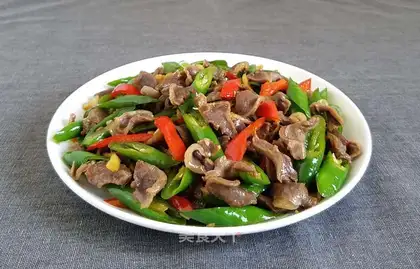
Chicken kidney, often overlooked in favor of more popular cuts like breast or thigh, is a nutrient-dense organ meat that has been a staple in traditional cuisines worldwide for centuries. Small, oval-shaped, and reddish-brown in color, this organ plays a vital role in the chicken’s body—filtering waste, balancing electrolytes, and supporting metabolic functions. When prepared properly, chicken kidney transforms into a flavorful, tender ingredient that offers a unique blend of vitamins, minerals, and bioactive compounds. This article explores the nutritional profile of chicken kidney, its evidence-based health benefits, and important precautions to ensure safe and enjoyable consumption.
Nutritional Profile: A Concentrated Source of Essential Nutrients
Chicken kidney stands out as a nutritional powerhouse, packing a higher concentration of key nutrients than many muscle meats. According to the U.S. Department of Agriculture (USDA), a 100-gram serving of cooked chicken kidney (without added fat) provides approximately:
High-Quality Protein
With 26 grams of protein per 100 grams, chicken kidney is an excellent source of complete protein, containing all nine essential amino acids (histidine, isoleucine, leucine, lysine, methionine, phenylalanine, threonine, tryptophan, and valine). Protein is critical for muscle repair, immune function, and enzyme production, making kidney a valuable addition to diets for athletes, older adults, or those recovering from illness.
Vitamin A: Retinol and Its Precursors
Chicken kidney is one of the richest dietary sources of preformed vitamin A (retinol), with a 100-gram serving providing over 150% of the daily value (DV). Vitamin A is essential for vision (especially low-light and color perception), immune health, and skin integrity. Unlike plant-based sources (like beta-carotene), animal-derived vitamin A is more easily absorbed by the body, making kidney particularly beneficial for individuals with absorption issues or increased needs (e.g., pregnant women or those with vision disorders).
B Vitamins: Energy and Metabolism Boosters
The kidney is a hub for B vitamins, which play a central role in energy metabolism and nervous system function:
- Vitamin B12 (cobalamin): A 100-gram serving contains over 100% of the DV. B12 is crucial for red blood cell formation, DNA synthesis, and nerve function; deficiency can lead to anemia, fatigue, and neurological damage.
- Riboflavin (B2): Supports energy production by aiding in the breakdown of carbohydrates, fats, and proteins. It also acts as an antioxidant, protecting cells from oxidative stress.
- Niacin (B3): Important for skin health, digestion, and converting food into energy. Niacin deficiency (pellagra) causes symptoms like dermatitis, diarrhea, and dementia.
- Pantothenic acid (B5): Essential for synthesizing coenzyme A, a molecule involved in over 100 metabolic reactions, including hormone production and cholesterol metabolism.
Minerals: Micronutrients for Vital Functions
- Iron: Chicken kidney provides 9.6 milligrams of iron per 100 grams, primarily in the heme form (more easily absorbed than non-heme iron from plants). Iron is key for oxygen transport in hemoglobin and myoglobin, and deficiency leads to iron-deficiency anemia (fatigue, weakness, shortness of breath).
- Zinc: With 3.7 milligrams per 100 grams, kidney supports immune function, wound healing, and DNA synthesis. Zinc is also critical for male reproductive health, as it supports testosterone production and sperm development.
- Selenium: A potent antioxidant, selenium protects cells from damage, supports thyroid function, and plays a role in DNA repair. A 100-gram serving meets over 50% of the DV.
- Copper: Works with iron to form red blood cells and supports antioxidant defense (via superoxide dismutase).
- Phosphorus: Essential for bone health, teeth formation, and energy production (as part of ATP).
Other Bioactive Compounds
Chicken kidney contains coenzyme Q10 (CoQ10), an antioxidant that supports heart health and cellular energy production. It also provides small amounts of choline, which aids brain development, liver function, and muscle movement.
Health Benefits: Beyond Basic Nutrition
The dense nutrient profile of chicken kidney translates to several evidence-based health benefits, making it a valuable food for overall wellness.
1. Supports Immune Function
The combination of vitamin A, zinc, and selenium in chicken kidney creates a trifecta for immune health. Vitamin A maintains the integrity of mucosal barriers (e.g., respiratory and digestive tracts), preventing pathogen invasion. Zinc is essential for the development and function of immune cells (e.g., T-cells and natural killer cells), while selenium enhances antioxidant activity, reducing inflammation and oxidative stress that can weaken immunity. Studies show that adequate selenium intake is associated with a reduced risk of viral infections, including influenza.
2. Enhances Energy and Metabolism
B vitamins in kidney act as coenzymes in energy-producing pathways. For example, vitamin B12 helps convert homocysteine to methionine, a reaction critical for ATP (energy) production. Riboflavin and niacin further support metabolism by facilitating the breakdown of macronutrients. Individuals with fatigue or high energy demands (e.g., athletes or busy professionals) may benefit from kidney’s ability to boost cellular energy.
3. Promotes Brain and Nervous System Health
Vitamin B12 is vital for nerve myelination (the protective sheath around nerves), and deficiency can cause peripheral neuropathy (numbness, tingling) or cognitive decline. Choline, present in kidney, supports acetylcholine production—a neurotransmitter involved in memory, mood, and muscle control. Research links adequate choline intake to a lower risk of neurodegenerative diseases like Alzheimer’s.
4. Aids in Muscle Repair and Growth
The high-quality protein and iron in kidney make it ideal for muscle health. Protein provides the amino acids needed for muscle protein synthesis (MPS), while heme iron ensures oxygen delivery to muscles during exercise—critical for endurance and recovery. A study in the Journal of the International Society of Sports Nutrition found that animal-based proteins (like organ meats) are more effective than plant-based proteins at stimulating MPS due to their complete amino acid profile.
5. Supports Reproductive Health
Zinc and vitamin B12 are particularly important for reproductive function. Zinc is a key component of semen, supporting sperm motility and count, while B12 regulates hormone production and reduces the risk of infertility in both men and women. Pregnant women may also benefit from kidney’s nutrient density: vitamin A supports fetal development, and folate (present in small amounts) prevents neural tube defects.
6. Contributes to Skin and Hair Health
Vitamin A and B vitamins (especially B2, B3, and B5) promote skin health by supporting cell turnover, reducing inflammation, and maintaining moisture. Vitamin A also regulates sebum production, preventing acne, while niacin improves skin barrier function. For hair, zinc and biotin (a B vitamin) strengthen follicles and prevent breakage.
Precautions and Considerations: Safe Consumption
While chicken kidney offers impressive health benefits, it is not without risks. Proper handling, preparation, and moderation are essential to avoid adverse effects.
1. Purine Content and Gout Risk
Chicken kidney is high in purines (natural compounds found in animal tissues), which break down into uric acid in the body. Excess uric acid can crystallize in joints, causing gout—a painful form of arthritis. Individuals with gout, kidney stones, or high uric acid levels should limit or avoid organ meats. The American College of Rheumatology recommends no more than 100–150 grams of purine-rich foods per week for those with gout.
2. Cholesterol and Heart Health
A 100-gram serving of chicken kidney contains 354 milligrams of cholesterol—significantly more than muscle meats (e.g., chicken breast has 85 milligrams). However, recent research suggests that dietary cholesterol has a minimal impact on blood cholesterol levels for most people; saturated and trans fats are larger contributors. The Dietary Guidelines for Americans 2020–2025 removed the strict daily cholesterol limit (300 milligrams), emphasizing instead the importance of replacing saturated fats with unsaturated fats. Still, individuals with hypercholesterolemia or heart disease should consume kidney in moderation (1–2 times per week) and pair it with fiber-rich vegetables to reduce cholesterol absorption.
3. Food Safety: Avoiding Bacterial Contamination
Organ meats, including kidney, are more susceptible to bacterial contamination (e.g., Salmonella, E. coli) than muscle meats due to their role in filtering waste. To minimize risk:
- Source from reputable suppliers: Choose fresh kidneys from grass-fed or organic chickens when possible.
- Clean thoroughly: Rinse kidneys under cold water and remove the outer membrane (fat and connective tissue) to reduce bitterness and bacteria.
- Cook to a safe temperature: Cook kidneys to an internal temperature of 74°C (165°F) to kill pathogens. Avoid consuming raw or undercooked kidney.
4. Moderation: Balancing Nutrient Intake
While nutrient-dense, kidney should be consumed in moderation (1–2 times per week) as part of a varied diet. Excessive intake of vitamin A can lead to hypervitaminosis A, causing symptoms like nausea, headache, and liver damage. The tolerable upper intake level (UL) for vitamin A is 3,000 micrograms (10,000 IU) per day for adults; a 100-gram serving of kidney provides approximately 1,500 micrograms, so combining it with other vitamin A-rich foods (e.g., liver, dairy) should be avoided.
5. Special Populations
- Pregnant women: While kidney’s nutrients (e.g., vitamin A, iron) are beneficial, excessive vitamin A intake is linked to birth defects. Limit consumption to 1–2 times per week and avoid high-dose supplements.
- Children: Organ meats can be introduced to children’s diets after 6–12 months, but portions should be small (e.g., 30–50 grams) to avoid excessive vitamin A.
- Individuals with kidney disease: Kidney is high in protein and phosphorus, which can strain damaged kidneys. Consult a doctor or dietitian before consuming.
Culinary Uses: Preparing Chicken Kidney Deliciously
To reap the benefits of chicken kidney, proper preparation is key to enhancing flavor and reducing bitterness:
- Cleaning: Soak kidneys in cold water with a splash of vinegar or lemon juice for 30 minutes to remove impurities. Trim the fat and white tubes (ureters) with a sharp knife.
- Cooking methods: Sauté with onions, garlic, and herbs (e.g., thyme, rosemary) for a quick meal. Grill or stew for a tender texture. Avoid overcooking, as kidneys can become tough.
- Pairings: Combine with acidic ingredients (e.g., tomatoes, lemon) to balance richness. Serve with whole grains (e.g., quinoa, brown rice) or vegetables (e.g., spinach, bell peppers) for a balanced meal.
Conclusion
Chicken kidney is a nutritional treasure trove, offering a concentrated source of protein, vitamins (especially A and B12), and minerals (iron, zinc, selenium) that support immune function, energy metabolism, brain health, and more. While it requires careful preparation and moderation—particularly for those with gout, heart disease, or kidney issues—this organ meat can be a valuable addition to a balanced diet. By sourcing quality kidneys, cooking them safely, and enjoying them as part of varied meals, individuals can harness their unique health benefits while savoring their rich, savory flavor. As the saying goes, “offal is the new kale”—and chicken kidney is leading the charge in the revival of nutrient-dense traditional foods.