Introduction
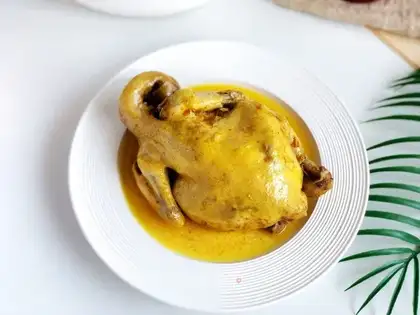
The "Yellow Chicken" (Sān Huáng Jī in Mandarin), a term that translates to "Three-Yellow Chicken," refers to a prized poultry breed distinguished by its yellow feathers, yellow beak, and yellow feet. Revered in Chinese cuisine for centuries, this breed is not just a culinary delight but also a nutritional powerhouse. Renowned for its tender meat, delicate flavor, and balanced nutrient profile, the Yellow Chicken has become a staple in households and restaurants worldwide. Beyond its gastronomic appeal, it offers a range of health benefits, from supporting muscle growth to boosting immunity. However, like all foods, it must be consumed mindfully, with attention to certain dietary restrictions and preparation methods. This article explores the nutritional value, health benefits, and potential risks associated with Yellow Chicken, providing a comprehensive guide for health-conscious consumers and culinary enthusiasts alike.
Nutritional Value of Yellow Chicken
Yellow Chicken is a nutrient-dense food, offering a rich blend of high-quality protein, vitamins, and minerals while remaining relatively low in fat—especially when compared to fattier cuts of meat or processed poultry products. A 100-gram serving of skinless, cooked Yellow Chicken breast contains approximately 165 calories, 31 grams of protein, and 3.6 grams of fat, with less than 1 gram of saturated fat. This macronutrient composition makes it an ideal choice for individuals seeking to build muscle, lose weight, or maintain a balanced diet.
Protein: The Building Block of Health
Protein is the most abundant nutrient in Yellow Chicken, accounting for over 60% of its total calories. The protein in Yellow Chicken is "complete," meaning it contains all nine essential amino acids (histidine, isoleucine, leucine, lysine, methionine, phenylalanine, threonine, tryptophan, and valine) that the human body cannot synthesize on its own. These amino acids are critical for:
- Muscle repair and growth: Athletes and active individuals rely on Yellow Chicken to recover from exercise and maintain lean muscle mass.
- Enzyme and hormone production: Amino acids serve as precursors for enzymes (e.g., digestive enzymes) and hormones (e.g., insulin), regulating bodily functions.
- Immune support: Antibodies, which defend against infections, are made of proteins.
Vitamins: Essential for Vitality
Yellow Chicken is a notable source of several B vitamins, which play key roles in energy metabolism and nervous system health:
- Vitamin B6 (Pyridoxine): A 100-gram serving provides about 0.5 milligrams (25% of the daily value, DV), which aids in amino acid metabolism and red blood cell production.
- Niacin (Vitamin B3): With approximately 8.9 milligrams (45% DV) per serving, niacin supports digestion, nerve function, and skin health.
- Riboflavin (Vitamin B2): At 0.15 milligrams (12% DV), it helps convert food into energy and maintains healthy eyes and skin.
- Vitamin B12 (Cobalamin): Yellow Chicken is one of the best natural sources of B12, with 0.3 micrograms (12% DV) per serving. This vitamin is crucial for nerve function and DNA synthesis, and its deficiency can lead to anemia or neurological issues.
Additionally, Yellow Chicken contains small amounts of vitamin A (from its yellow skin, rich in carotenoids) and vitamin E, both of which act as antioxidants, protecting cells from oxidative damage.
Minerals: Supporting Bodily Functions
The mineral content of Yellow Chicken further enhances its nutritional value:
- Selenium: A 100-gram serving provides 22.5 micrograms (41% DV), a trace mineral that acts as a potent antioxidant, supports thyroid function, and boosts immune health.
- Phosphorus: With around 196 milligrams (28% DV), phosphorus works with calcium to build strong bones and teeth, and it also aids in energy production.
- Iron: Yellow Chicken contains 1.3 milligrams (7% DV) of iron, which is essential for hemoglobin formation—oxygen transport in the blood. While the iron in poultry is "heme iron" (more easily absorbed than plant-based iron), pairing it with vitamin C-rich foods (e.g., bell peppers) enhances absorption.
- Zinc: At 1.9 milligrams (17% DV), zinc supports immune function, wound healing, and DNA synthesis.
Fat Profile: Heart-Healthy and Balanced
Yellow Chicken is relatively low in fat, with most of its fat content being unsaturated fats—particularly monounsaturated fats (e.g., oleic acid) and polyunsaturated fats (e.g., linoleic acid). These fats are beneficial for heart health, as they help lower LDL ("bad") cholesterol and maintain HDL ("good") cholesterol levels. The skin of Yellow Chicken contains more saturated fat, so removing it before cooking reduces the overall fat content by up to 50%.
Health Benefits of Yellow Chicken
The combination of protein, vitamins, and minerals in Yellow Chicken contributes to a range of health benefits, making it a valuable addition to a balanced diet.
1. Supports Muscle Growth and Repair
As a rich source of complete protein, Yellow Chicken is a top choice for athletes, bodybuilders, and older adults at risk of sarcopenia (age-related muscle loss). The branched-chain amino acids (BCAAs)—leucine, isoleucine, and valine—in chicken stimulate muscle protein synthesis, helping to rebuild and maintain muscle tissue after exercise or injury.
2. Aids in Weight Management
High-protein foods like Yellow Chicken promote satiety, reducing hunger and overall calorie intake. A study published in the American Journal of Clinical Nutrition found that a high-protein diet (30% of calories from protein) increased feelings of fullness and led to greater weight loss than a standard-protein diet (15% of calories from protein). Additionally, the thermic effect of protein (the energy expended during digestion) is higher than that of fats or carbs, further supporting weight management goals.
3. Boosts Immune Function
Yellow Chicken’s nutrient profile strengthens the immune system in multiple ways:
- Selenium and zinc are critical for immune cell development and function. Selenium deficiency has been linked to increased susceptibility to infections, while zinc helps regulate inflammatory responses.
- Vitamin B6 supports the production of antibodies and cytokines, which coordinate immune responses.
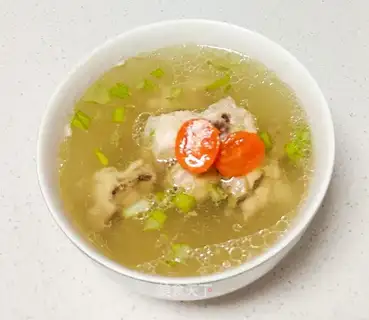
- Chicken soup, a classic remedy for colds, often features Yellow Chicken. Studies suggest that the soup’s anti-inflammatory properties (from compounds like carnosine) may help reduce upper respiratory symptoms.
4. Promotes Bone Health
Yellow Chicken is a good source of phosphorus and protein, both of which are essential for bone density. Phosphorus accounts for about 85% of the body’s mineral content, and it works with calcium to form hydroxyapatite, the primary mineral in bones. Protein, meanwhile, provides the structural framework for bone tissue. A diet rich in these nutrients can help prevent osteoporosis, especially in postmenopausal women and older adults.
5. Enhances Brain Function
The vitamin B12 in Yellow Chicken plays a key role in maintaining the nervous system. It is involved in the synthesis of myelin, a protective sheath around nerve fibers that ensures efficient signal transmission. Deficiency in B12 can lead to memory loss, fatigue, and even depression. Regular consumption of Yellow Chicken may help support cognitive health and reduce the risk of neurodegenerative diseases.
6. Supports Skin and Hair Health
Yellow Chicken contains collagen, a protein that provides structure to skin, hair, and nails. While the collagen in cooked chicken is broken down into amino acids (which the body uses to build its own collagen), the food also provides lysine and proline, two amino acids critical for collagen synthesis. Additionally, the niacin and vitamin B6 in chicken support skin barrier function and reduce inflammation, helping to maintain a healthy complexion.
Culinary Uses and Preparation Tips
Yellow Chicken’s versatility in the kitchen is another reason for its popularity. Its mild flavor and tender texture make it suitable for a wide range of cooking methods: grilling, roasting, steaming, stir-frying, and braising. To maximize its nutritional benefits, consider these preparation tips:
- Remove the skin: This reduces saturated fat content by up to 50%.
- Choose lean cuts: Chicken breast is lower in fat than thighs or wings; opt for skinless breast for the leanest option.
- Avoid deep-frying: Frying adds excess calories and unhealthy fats; grilling, baking, or steaming are healthier alternatives.
- Use herbs and spices instead of salt: Flavor chicken with garlic, ginger, rosemary, or lemon to enhance taste without increasing sodium intake.
Potential Risks and Precautions
While Yellow Chicken is a healthy food for most people, there are certain risks and precautions to keep in mind:
1. Foodborne Illnesses
Raw chicken can be contaminated with harmful bacteria, such as Salmonella or Campylobacter, which cause food poisoning. To minimize risk:
- Always cook chicken to an internal temperature of 165°F (74°C) to kill bacteria.
- Use separate cutting boards and utensils for raw chicken to avoid cross-contamination.
- Wash hands thoroughly after handling raw poultry.
2. High Cholesterol in Skin
The skin of Yellow Chicken is high in cholesterol (about 70 milligrams per 100 grams) and saturated fat. Individuals with high cholesterol or heart disease should avoid eating the skin.
3. Antibiotic and Hormone Concerns
Some commercially raised chickens may be given antibiotics or hormones to promote growth. To reduce exposure, choose organic or free-range Yellow Chicken, which is raised without antibiotics or added hormones. Look for labels such as "USDA Organic" or "Animal Welfare Approved."
4. Purine Content
Yellow Chicken is moderately high in purines, natural compounds that break down into uric acid. People with gout or kidney stones may need to limit their intake, as high uric acid levels can trigger gout attacks or worsen kidney problems.
5. Sodium in Processed Products
Avoid processed chicken products (e.g., chicken nuggets, deli meats), which are often high in sodium, preservatives, and unhealthy fats. Opt for fresh, whole chicken instead.
Conclusion
Yellow Chicken is more than just a delicious ingredient—it is a nutritional powerhouse that supports muscle growth, weight management, immune function, and overall health. Its high-quality protein, vitamin B complex, and essential minerals make it a valuable addition to a balanced diet, while its culinary versatility ensures it can be enjoyed in countless ways. However, to reap its benefits safely, it is important to handle and cook chicken properly, choose high-quality sources, and consume it in moderation if you have specific health conditions. Whether roasted, grilled, or simmered in soup, Yellow Chicken remains a timeless staple that nourishes the body and delights the palate.
Word Count: ~1,580