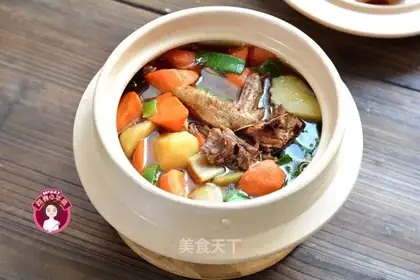
Chicken is a staple in diets worldwide, but not all chicken is created equal. Among its many varieties, young chicken—often referred to as "broiler chicken" or "spring chicken"—stands out for its exceptional tenderness, delicate flavor, and impressive nutritional profile. Sourced from chickens typically under 3 months old, this meat has been celebrated for centuries as a symbol of vitality and nourishment. Today, as consumers increasingly prioritize health and sustainability, understanding the nutritional value, health benefits, and potential precautions of young chicken becomes essential. This article delves into the science behind young chicken, exploring why it is a nutritional powerhouse, how it supports human health, and who should exercise caution when consuming it.
I. Nutritional Value of Young Chicken
Young chicken is a nutritional powerhouse, packed with high-quality protein, essential vitamins, and minerals that support overall health. Its nutritional composition is distinct from mature chicken due to its tender muscles and lower fat content, making it an ideal choice for health-conscious individuals.
1. High-Quality Protein
Protein is the building block of life, essential for muscle growth, tissue repair, and immune function. Young chicken is an excellent source of complete protein, meaning it contains all nine essential amino acids that the human body cannot produce independently. A 100-gram serving of cooked young chicken breast provides approximately 31 grams of protein, with very little fat (around 3.5 grams) and no carbohydrates. This makes it a preferred choice for athletes, bodybuilders, and individuals recovering from illness, as it promotes muscle synthesis without excess calories.
2. Essential Vitamins
Young chicken is rich in B vitamins, which play a critical role in energy metabolism, brain function, and red blood cell production. Notably, it contains high levels of:
- Vitamin B6 (Pyridoxine): Essential for amino acid metabolism and neurotransmitter synthesis. A 100-gram serving provides about 0.5 milligrams, meeting 25–30% of the daily recommended intake.
- Niacin (B3): Supports digestive system, skin health, and nerve function. Young chicken offers approximately 8.9 milligrams per 100 grams, nearly 50% of the daily requirement.
- Riboflavin (B2): Important for energy production and eye health.
- Vitamin B12: Crucial for nerve function and DNA synthesis, with young chicken being one of the best dietary sources for vegetarians and non-vegetarians alike.
Additionally, young chicken contains small amounts of vitamin A, which supports vision and immune health, and vitamin E, an antioxidant that protects cells from damage.
3. Minerals for Vitality
The mineral content of young chicken further enhances its nutritional value:
- Selenium: A potent antioxidant that supports thyroid function and protects against oxidative stress. Young chicken is one of the richest dietary sources of selenium, providing about 22 micrograms per 100 grams—nearly 40% of the daily recommended intake.
- Phosphorus: Works with calcium to build strong bones and teeth. A 100-gram serving provides around 200 milligrams of phosphorus.
- Iron: Essential for oxygen transport in the blood. While chicken contains heme iron (more easily absorbed than plant-based iron), a 100-gram serving provides about 1.3 milligrams, or 7% of the daily requirement for adults.
- Zinc: Supports immune function, wound healing, and DNA synthesis. Young chicken offers approximately 1.9 milligrams per 100 grams, meeting 15–20% of the daily need.
4. Low Fat and Calorie Content
Compared to mature chicken or red meat, young chicken is significantly lower in fat and calories. The fat content is primarily unsaturated, including oleic acid (the same healthy fat found in olive oil), which supports heart health. A 100-gram serving of young chicken breast contains just 165 calories, making it an excellent choice for weight management.
II. Health Benefits of Young Chicken
The nutritional composition of young chicken translates into numerous health benefits, ranging from muscle maintenance to disease prevention. Its versatility in cooking—whether grilled, baked, or stewed—makes it easy to incorporate into a balanced diet.
1. Supports Muscle Growth and Repair
For athletes, older adults, and individuals recovering from surgery or injury, young chicken is a key ally in muscle maintenance. The high-quality protein and amino acids (particularly leucine) stimulate muscle protein synthesis, helping to prevent age-related muscle loss (sarcopenia) and promote recovery after physical activity. Studies show that regular consumption of lean chicken protein can enhance muscle strength and function in both young and elderly populations.
2. Aids in Weight Management
Young chicken’s low calorie and high protein content make it a satiating food that can help control appetite. Protein takes longer to digest than carbohydrates, reducing hunger pangs and overeating. Additionally, the thermic effect of protein (the energy expended during digestion) is higher than that of fats and carbs, further supporting weight loss. A 2018 study published in the American Journal of Clinical Nutrition found that high-protein diets rich in lean meats like chicken were more effective for long-term weight management than low-protein diets.
3. Strengthens Immune Function
The vitamins and minerals in young chicken play a vital role in immune health. Selenium, in particular, enhances the activity of immune cells, such as T-cells and natural killer cells, helping the body fight infections. Vitamin B6 supports the production of antibodies and cytokines, while zinc is essential for immune cell development. Regular consumption of young chicken can therefore reduce the risk of common illnesses like colds and flu.
4. Promotes Heart Health
Young chicken’s low saturated fat content and high levels of unsaturated fats make it a heart-healthy alternative to red meat. The niacin in chicken helps lower LDL ("bad") cholesterol and triglycerides, reducing the risk of atherosclerosis. Additionally, the amino acid arginine in chicken improves blood flow by promoting the production of nitric oxide, a compound that relaxes blood vessels. A 2020 study in the Journal of the American Heart Association found that replacing red meat with lean poultry like young chicken was associated with a 20% lower risk of heart disease.
5. Supports Bone Health
Young chicken is a good source of phosphorus and calcium, two minerals critical for bone density. Phosphorus accounts for about 85% of the body’s mineral content in bones, and it works synergistically with calcium to maintain bone structure. For older adults, who are at higher risk of osteoporosis, incorporating young chicken into the diet can help slow bone loss and reduce fracture risk.
6. Boosts Brain Health
The B vitamins in young chicken, particularly B6 and B12, are essential for brain function. Vitamin B6 helps produce neurotransmitters like serotonin and dopamine, which regulate mood and sleep. Vitamin B12, on the other hand, protects the nervous system and prevents cognitive decline. A 2019 study in Neurology found that individuals with higher vitamin B12 levels had better memory and cognitive function, highlighting the importance of foods like young chicken for brain health.
III. Precautions and Potential Side Effects
While young chicken is highly nutritious, there are important precautions to consider to ensure safe consumption. These primarily relate to food safety, individual health conditions, and dietary balance.
1. Food Safety: Avoiding Bacterial Contamination
Raw chicken can harbor harmful bacteria such as Salmonella, Campylobacter, and E. coli, which cause food poisoning. To minimize risk:
- Handle with care: Always wash hands, utensils, and surfaces after touching raw chicken.
- Cook thoroughly: Chicken should be cooked to an internal temperature of 75°C (165°F) to kill pathogens. Avoid consuming undercooked or pink chicken, especially for vulnerable groups like children, pregnant women, and the elderly.
- Avoid cross-contamination: Store raw chicken separately from ready-to-eat foods in the refrigerator.
2. Sodium Intake: Beware of Processed Products
While plain young chicken is low in sodium, processed forms such as chicken nuggets, deli meat, and canned chicken often contain high levels of salt and preservatives. Excessive sodium intake is linked to hypertension and heart disease. Opt for fresh, unseasoned chicken and flavor it with herbs, spices, and lemon juice instead of salt.
3. Allergic Reactions
Chicken allergies are relatively rare but can occur, particularly in children. Symptoms may include hives, swelling, difficulty breathing, or digestive upset. Individuals with known chicken allergies should avoid it entirely and seek alternative protein sources like fish, tofu, or legumes.
4. Purine Content: A Concern for Gout Sufferers
Young chicken contains moderate levels of purines, natural compounds that break down into uric acid. In individuals with gout, high uric acid levels can trigger painful joint inflammation. While chicken is not as purine-rich as organ meats or certain fish, those with gout should consume it in moderation and consult a healthcare provider or dietitian for personalized advice.
5. Antibiotic and Hormone Concerns
In some regions, chickens are raised with antibiotics or growth hormones to promote faster growth and prevent disease. While regulatory agencies like the FDA and EFSA monitor these practices, consumers concerned about antibiotic resistance or hormone exposure can opt for organic or antibiotic-free chicken. These products are raised without synthetic additives and may offer additional peace of mind.
6. Balance in a Varied Diet
While young chicken is nutritious, relying too heavily on any single food can lead to nutritional imbalances. A healthy diet should include a variety of protein sources (such as fish, beans, and nuts), whole grains, fruits, and vegetables to ensure a broad spectrum of nutrients.
IV. Conclusion
Young chicken is a nutritional powerhouse that offers a unique combination of high-quality protein, essential vitamins, and minerals, making it a valuable addition to a balanced diet. Its benefits—from supporting muscle growth and weight management to boosting immune and heart health—are backed by scientific research, and its versatility in cooking ensures it can be enjoyed in countless ways. However, to reap its benefits safely, it is important to follow food safety guidelines, be mindful of sodium and purine intake, and choose high-quality, minimally processed products.
In a world where health and sustainability are increasingly important, young chicken stands out as a smart, nutritious choice. Whether you’re an athlete looking to enhance performance, an older adult aiming to maintain muscle mass, or simply someone seeking a delicious and healthy meal, young chicken delivers on both flavor and nutrition. By understanding its value and taking simple precautions, you can make the most of this exceptional ingredient and support your overall well-being.