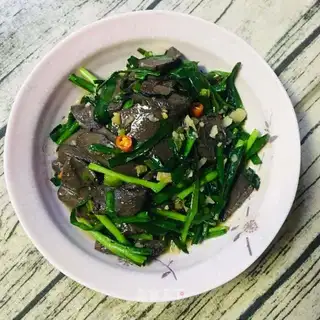
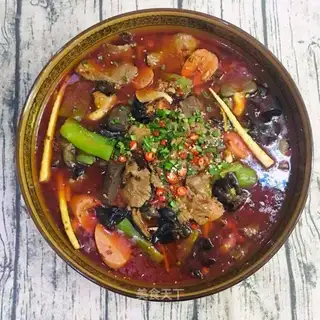
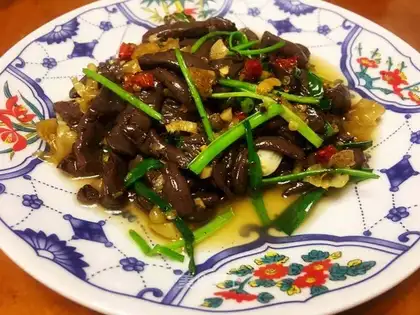
Chicken blood, a traditional ingredient in many cuisines across Asia, Europe, and Africa, has long been valued for its unique texture and purported health benefits. Often used in soups, hot pots, or stir-fries, this gelatinous, deep-red substance is more than just a culinary curiosity—it is a nutrient-dense food with a rich profile of proteins, vitamins, and minerals. However, its consumption is also surrounded by misconceptions and cautionary notes due to food safety concerns. This article explores the nutritional value of chicken blood, its potential health benefits, and the important precautions to consider before incorporating it into your diet.
Nutritional Value of Chicken Blood
Chicken blood is a nutritional powerhouse, packed with essential nutrients that contribute to overall health. A 100-gram serving of cooked chicken blood contains approximately:
- Protein: 18–20 grams, making it an excellent source of high-quality protein. Protein is vital for muscle repair, immune function, and enzyme production. Chicken blood’s protein is complete, containing all nine essential amino acids, including lysine, leucine, and tryptophan, which the body cannot synthesize on its own.
- Iron: 12–15 milligrams, or about 75–85% of the daily recommended intake for adults. This iron is in the heme form, which is more easily absorbed by the body than non-heme iron (found in plants). Heme iron is particularly beneficial for individuals with iron-deficiency anemia, as it boosts hemoglobin production and improves oxygen transport in the blood.
- Vitamins: Chicken blood is rich in B vitamins, including B12 (cobalamin), which is crucial for nerve function, DNA synthesis, and red blood cell formation. A 100-gram serving provides approximately 50–60% of the daily recommended intake of B12. It also contains small amounts of riboflavin (B2), niacin (B3), and pantothenic acid (B5), which support energy metabolism and skin health.
- Minerals: Beyond iron, chicken blood contains zinc (important for immune function and wound healing), copper (aiding in iron absorption and antioxidant defense), and selenium (a powerful antioxidant that protects cells from damage). It also provides phosphorus, which is essential for bone health and energy production.
- Low Fat and Calories: With only 0.3–0.5 grams of fat and 70–80 calories per 100 grams, chicken blood is a lean protein source, making it suitable for low-calorie or low-fat diets.
- Collagen: The gelatinous texture of chicken blood comes from collagen, a protein that supports skin elasticity, joint health, and gut lining. When cooked, collagen breaks down into gelatin, which may aid digestion and promote satiety.
Health Benefits of Chicken Blood
The nutritional profile of chicken blood translates to several potential health benefits, particularly when consumed as part of a balanced diet.
1. Combats Iron Deficiency
Iron deficiency is one of the most common nutritional deficiencies worldwide, leading to anemia, fatigue, and weakened immunity. Chicken blood’s high heme iron content makes it a natural remedy for this condition. Studies show that heme iron has a bioavailability of 15–35%, compared to 2–20% for non-heme iron, meaning the body absorbs and utilizes it more efficiently. Regular consumption of chicken blood can help restore iron levels, especially for pregnant women, athletes, and vegetarians/vegans who may struggle to meet iron needs from plant sources.
2. Supports Muscle Growth and Repair
Protein is the building block of muscles, and chicken blood’s complete amino acid profile makes it an ideal food for muscle maintenance. Athletes and individuals recovering from injuries may benefit from its high protein content, which stimulates muscle protein synthesis (MPS) and reduces muscle breakdown. The low-fat content also makes it a healthier alternative to fatty meats like beef or pork.
3. Boosts Immune Function
Chicken blood contains zinc and selenium, minerals that play key roles in immune health. Zinc is essential for the development and function of immune cells, such as neutrophils and natural killer (NK) cells, while selenium enhances the body’s antioxidant defenses, reducing inflammation and protecting against infections. Additionally, vitamin B12 supports the production of white blood cells, which are critical for fighting pathogens.
4. Promotes Skin and Joint Health
Collagen and gelatin derived from chicken blood may benefit skin and joint health. Collagen is a major component of skin, providing structure and elasticity. As we age, collagen production declines, leading to wrinkles and sagging skin. Consuming collagen-rich foods like chicken blood may help slow this process by replenishing the body’s collagen stores. For joint health, gelatin has been shown to reduce joint pain and stiffness in people with osteoarthritis by supporting cartilage integrity and reducing inflammation.
5. Enhances Cognitive Function
Vitamin B12 is vital for brain health, as it helps maintain the myelin sheath that protects nerve fibers and supports neurotransmitter production. A deficiency in B12 can lead to cognitive decline, memory loss, and even neurological disorders. Chicken blood’s high B12 content makes it a valuable food for maintaining brain function, particularly in older adults.
Precautions and Potential Risks
While chicken blood offers numerous health benefits, its consumption is not without risks. Proper handling, cooking, and moderation are essential to avoid adverse effects.
1. Food Safety and Contamination
Chicken blood is highly perishable and can harbor harmful bacteria such as Salmonella, Campylobacter, and E. coli, which are commonly found in poultry. To minimize the risk of foodborne illness:
- Source Quality Blood: Purchase chicken blood from reputable suppliers or butchers who follow strict hygiene standards. Avoid blood that appears discolored, has an off odor, or is stored at improper temperatures.
- Cook Thoroughly: Chicken blood must be cooked until it reaches an internal temperature of 75°C (165°F) to kill pathogens. Boiling, steaming, or stir-frying are safe cooking methods. Avoid consuming raw or undercooked chicken blood.
- Handle with Care: Use separate utensils and cutting boards for raw chicken blood to prevent cross-contamination with other foods. Wash hands, surfaces, and tools thoroughly after handling.
2. High Cholesterol and Purine Levels
Chicken blood contains significant amounts of cholesterol (approximately 100–120 milligrams per 100 grams) and purines (natural compounds found in animal tissues). Individuals with the following conditions should exercise caution:
- High Cholesterol: While dietary cholesterol has less impact on blood cholesterol levels than saturated fats, people with hypercholesterolemia (high cholesterol) should limit their intake of chicken blood to avoid exacerbating the condition.
- Gout: Purines are broken down into uric acid, which can accumulate in the joints and trigger gout attacks. Those with gout or a history of kidney stones should avoid chicken blood or consume it sparingly.
3. Allergic Reactions
Though rare, some individuals may be allergic to chicken blood. Symptoms can include hives, itching, swelling, or difficulty breathing. If you experience these symptoms after consuming chicken blood, seek medical attention immediately.
4. Moderation is Key
Even for healthy individuals, moderation is important. Overconsumption of chicken blood can lead to an excessive intake of iron, which may cause iron overload (hemochromatosis) in susceptible individuals. Iron overload can damage organs such as the liver, heart, and pancreas. Limit intake to 1–2 servings per week to avoid this risk.
Culinary Uses and Preparation Tips
To enjoy chicken blood safely and deliciously, consider these preparation methods:
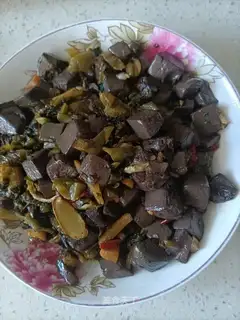
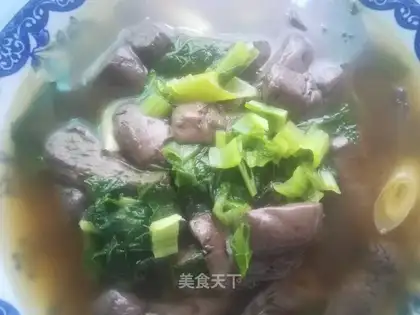
- Soups and Hot Pots: Chicken blood is a popular addition to hot pot broths, where it cooks quickly and absorbs the flavors of the soup. It is often paired with tofu, vegetables, and noodles for a nutritious meal.
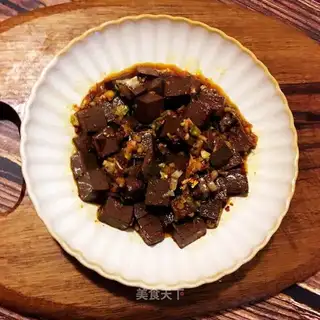
- Stir-Fries: Thinly sliced or cubed chicken blood can be stir-fried with garlic, ginger, and soy sauce for a savory dish.
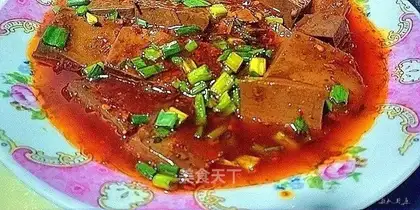
- Blood Tofu: In many Asian cuisines, chicken blood is coagulated and pressed into blocks called “blood tofu,” which can be grilled, fried, or added to soups.
- Marinades: The liquid from raw chicken blood (when properly handled and cooked) can be used as a marinade to add iron and flavor to meats, though this is less common.
Conclusion
Chicken blood is a nutrient-dense food that offers a range of health benefits, from combating iron deficiency to supporting muscle growth and immune function. Its high protein, heme iron, and collagen content make it a valuable addition to a balanced diet, particularly for individuals with specific nutritional needs. However, its consumption requires careful attention to food safety, proper cooking, and moderation to avoid risks such as bacterial contamination or nutrient overload. When sourced and prepared correctly, chicken blood can be a delicious and nutritious ingredient that enhances both culinary and health outcomes. As with any food, knowledge and caution are key to unlocking its potential benefits while minimizing risks.