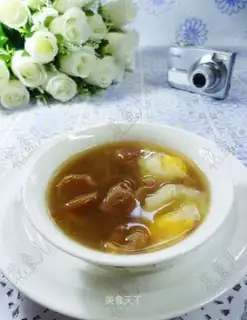
In the world of gastronomy and nutrition, certain foods stand out not only for their delicate flavors but also for their remarkable health benefits. Quail eggs, though small in size, have long been revered in both traditional medicine and modern diets as a nutritional powerhouse. Often called "superfood eggs," they are packed with essential vitamins, minerals, and bioactive compounds that offer a range of health advantages. From boosting immunity to enhancing skin health, these tiny eggs have garnered global attention. However, like any food, they must be consumed mindfully to avoid potential risks. This article explores the nutritional profile of quail eggs, their proven health benefits, and important precautions to consider when incorporating them into your diet.
Nutritional Profile: A Tiny Package of Dense Nutrients
Quail eggs (Coturnix coturnix japonica) are smaller than chicken eggs—approximately one-third the size—but their nutritional density is unparalleled. A serving of five quail eggs (about 50 grams) contains roughly 71 calories, 6 grams of protein, 5 grams of fat, and less than 1 gram of carbohydrates. What sets them apart is their concentration of micronutrients, which play critical roles in bodily functions.
Vitamins: A Spectrum of Essential Nutrients
- Vitamin A: Quail eggs are rich in retinol, a form of vitamin A vital for vision, immune function, and skin health. Just five quail eggs provide about 15% of the daily recommended intake (DRI), supporting night vision and protecting against age-related macular degeneration.
- B Vitamins: They are an excellent source of B vitamins, including riboflavin (B2), niacin (B3), and cobalamin (B12). Ribofl aids in energy metabolism and red blood cell production, while B12 is crucial for nerve function and DNA synthesis. A single serving of quail eggs covers 20% of the DRI for B12, making them a valuable food for vegetarians and vegans who may lack this nutrient from animal sources.
- Vitamin D: Unlike chicken eggs, quail eggs naturally contain vitamin D, which is essential for calcium absorption and bone health. They also contain small amounts of vitamin E, an antioxidant that protects cells from oxidative damage.
Minerals: Building Blocks for Health
- Iron: Quail eggs are a potent source of heme iron, the type most easily absorbed by the body. Iron is critical for preventing anemia, as it supports the production of hemoglobin, which carries oxygen in the blood. Five quail eggs provide about 1.2 mg of iron, or 15% of the DRI for adults.
- Zinc: This mineral is vital for immune function, wound healing, and DNA synthesis. Quail eggs contain zinc in a form that is highly bioavailable, with one serving meeting 10% of the DRI.
- Selenium: A powerful antioxidant, selenium helps protect the body from oxidative stress and supports thyroid function. Quail eggs are richer in selenium than chicken eggs, with one serving providing 20% of the DRI.
Protein and Amino Acids
Despite their small size, quail eggs are protein-rich, containing all nine essential amino acids that the body cannot produce on its own. These amino acids are the building blocks of muscles, enzymes, and hormones, making quail eggs an excellent choice for athletes, growing children, and individuals recovering from illness.
Healthy Fats
Quail eggs contain mostly unsaturated fats, including oleic acid (the same heart-healthy fat found in olive oil) and omega-3 fatty acids. These fats support brain health, reduce inflammation, and improve cholesterol levels by increasing HDL (good cholesterol) and lowering LDL (bad cholesterol).
Health Benefits: Beyond Nutrition
The nutrient density of quail eggs translates into a range of evidence-based health benefits, making them a valuable addition to a balanced diet.
1. Enhanced Immune Function
Quail eggs are rich in antioxidants like vitamin E, selenium, and glutathione, which neutralize free radicals and reduce oxidative stress. This strengthens the immune system, making the body more resilient to infections and diseases. Additionally, their high vitamin A content supports mucosal immunity, the first line of defense against pathogens.
2. Improved Skin and Hair Health
The combination of vitamin A, E, and biotin in quail eggs promotes healthy skin by stimulating collagen production, reducing wrinkles, and fighting acne. Biotin, in particular, is known to strengthen hair and nails, preventing brittleness and breakage. Topical applications of quail egg yolks are also used in some cultures to moisturize the skin and reduce inflammation.
3. Better Brain and Cognitive Function
Choline, a nutrient abundant in quail eggs, is essential for brain development and cognitive function. It is a precursor to acetylcholine, a neurotransmitter that regulates memory, mood, and muscle control. Studies suggest that adequate choline intake during pregnancy may support fetal brain development, while older adults may benefit from improved memory and focus.
4. Balanced Blood Sugar Levels
Quail eggs have a low glycemic index (GI), meaning they do not cause rapid spikes in blood sugar. Their protein and fat content slows down digestion, preventing post-meal glucose fluctuations. This makes them a suitable food for individuals with diabetes or those at risk of developing the condition.
5. Support for Pregnancy and Child Development
The high levels of folate (vitamin B9) in quail eggs are crucial for pregnant women, as folate prevents neural tube defects in developing fetuses. Additionally, the protein, iron, and calcium in quail eggs support fetal growth and maternal health during pregnancy.
6. Anti-Inflammatory Properties
Quail eggs contain anti-inflammatory compounds like omega-3 fatty acids and selenium, which help reduce chronic inflammation—a key driver of diseases like arthritis, heart disease, and cancer. Regular consumption may alleviate symptoms of inflammatory conditions and improve overall health.
Culinary Uses: Versatility in the Kitchen
Beyond their health benefits, quail eggs are prized in culinary circles for their delicate flavor and aesthetic appeal. They are used in a variety of dishes, from appetizers to desserts:
- Appetizers: Hard-boiled quail eggs are often pickled, stuffed with ingredients like anchovies or herbs, or served in salads.
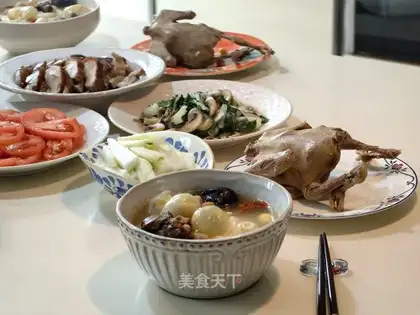
- Main Courses: They are used in Asian dishes such as hot pot or congee, where they add richness and texture. In French cuisine, they are used in quiche or as a garnish for salade Niçoise.
- Desserts: In some cultures, quail eggs are used in custards, cakes, and crème brûlée due to their creamy texture and high yolk-to-white ratio.
- Garnishes: Their small size and attractive speckled shells make them a popular garnish for canapés, sushi, and gourmet dishes.
Precautions and Potential Risks
While quail eggs offer numerous health benefits, there are important precautions to consider to avoid adverse effects.
1. Salmonella Risk
Like all eggs, quail eggs can be contaminated with Salmonella, a bacterium that causes food poisoning. To minimize this risk:
- Always cook quail eggs thoroughly until both the whites and yolks are firm.
- Avoid raw or undercooked eggs, especially in dishes like sushi or mayonnaise.
- Store quail eggs in the refrigerator at 40°F (4°C) and consume them within 3–4 weeks of purchase.
2. Allergic Reactions
Egg allergies are common, and some individuals may be allergic to quail eggs even if they tolerate chicken eggs. Symptoms of an allergic reaction include hives, swelling, difficulty breathing, and anaphylaxis. If you have a known egg allergy, avoid quail eggs or consult an allergist before consuming them.
3. High Cholesterol Content
Quail eggs are higher in cholesterol than chicken eggs—one serving contains about 187 mg of cholesterol, which is 62% of the DRI. However, recent research suggests that dietary cholesterol has less impact on blood cholesterol levels than previously thought. For most people, moderate consumption (1–2 servings per day) is unlikely to raise blood cholesterol levels. However, individuals with hypercholesterolemia or heart disease should limit their intake and consult a healthcare provider.
4. Sodium in Pickled Quail Eggs
Pickled quail eggs are often high in sodium due to the brine used in preservation. Excessive sodium intake can increase blood pressure and raise the risk of heart disease. If you have hypertension, opt for fresh or boiled quail eggs instead of pickled varieties.
5. Moderation is Key
While quail eggs are nutritious, excessive consumption can lead to an imbalance in nutrient intake. For example, eating more than 5–6 eggs per day may result in excessive protein or cholesterol intake. Stick to 1–2 servings per day as part of a balanced diet.
Conclusion: A Tiny Superfood with Big Benefits
Quail eggs are a nutritional powerhouse that offers a wide range of health benefits, from boosting immunity to enhancing skin and brain health. Their high concentration of vitamins, minerals, and protein makes them a valuable addition to any diet, whether for athletes, pregnant women, or older adults. However, it is important to consume them mindfully, ensuring they are cooked thoroughly to avoid bacterial contamination and moderating intake to prevent excessive cholesterol or sodium consumption.
Incorporating quail eggs into your meals is not only a delicious choice but also a smart one for overall health. Whether enjoyed as a hard-boiled snack, a garnish for a gourmet dish, or an ingredient in a hearty soup, these tiny eggs prove that good things often come in small packages. As with any food, balance and moderation are key to unlocking their full potential while minimizing risks. So, the next time you’re at the grocery store, consider adding quail eggs to your cart—your body will thank you.