In the era of superfoods and fad diets, modern nutrition science is increasingly turning to ancient grains for their unparalleled health benefits. Among these, foxtail millet (Setaria italica), one of the oldest cultivated cereals in the world, stands out as a nutritional powerhouse. Revered in traditional Chinese medicine for millennia and now gaining global recognition, this small, golden grain has been a staple in diets across Asia, Europe, and Africa for over 7,000 years. Today, as researchers uncover its impressive nutritional profile and health-promoting properties, foxtail millet is emerging as a versatile, sustainable, and therapeutic ingredient. This article explores the nutritional value of foxtail millet, its diverse health benefits, and important precautions for consumption, offering a comprehensive guide to incorporating this ancient grain into a modern diet.
I. Nutritional Value of Foxtail Millet
Foxtail millet is a nutritional treasure trove, packed with macronutrients, micronutrients, and bioactive compounds that make it a superior alternative to refined grains. Its nutritional composition is a testament to its role as a staple food in ancient civilizations, providing sustained energy and essential nutrients for survival.
1. Rich in Complex Carbohydrates and Dietary Fiber
The primary component of foxtail millet is carbohydrates, which account for approximately 70-80% of its dry weight. Unlike refined grains such as white rice or flour, foxtail millet is a rich source of complex carbohydrates, which are digested slowly, releasing glucose steadily into the bloodstream. This helps maintain stable blood sugar levels, prevent energy crashes, and reduce the risk of type 2 diabetes.
Moreover, foxtail millet is high in dietary fiber, particularly insoluble fiber, which constitutes about 8-10% of its weight. Fiber adds bulk to stool, promotes regular bowel movements, and supports a healthy gut microbiome by acting as a prebiotic, feeding beneficial gut bacteria. A 100-gram serving of cooked foxtail millet provides approximately 6-8 grams of fiber, meeting 24-32% of the daily recommended intake for adults.
2. High-Quality Plant Protein
Though not as protein-rich as legumes, foxtail millet contains more protein than most other cereals, with a protein content of 9-12% in raw form. It is a valuable source of essential amino acids, particularly lysine and methionine, which are often limiting in plant-based diets. The amino acid profile of foxtail millet complements that of legumes and beans, making it an excellent component of vegetarian and vegan diets to ensure complete protein intake.
3. Abundance of Micronutrients
Foxtail millet is a concentrated source of essential vitamins and minerals that are often lacking in processed foods. Key micronutrients include:
- Magnesium: A 100-gram serving of cooked foxtail millet provides approximately 80-100 mg of magnesium, covering 20-25% of the daily requirement. Magnesium plays a critical role in over 300 enzymatic reactions, including muscle function, nerve transmission, and blood pressure regulation.
- Iron: With 2-3 mg of iron per 100 grams (cooked), foxtail millet is a significant source of this mineral, which is essential for hemoglobin production and oxygen transport in the blood. Its iron content is particularly beneficial for individuals with iron-deficiency anemia, especially when consumed with vitamin C-enhanced foods to improve absorption.
- Phosphorus: Foxtail millet contains 150-200 mg of phosphorus per 100 grams, supporting bone health, teeth formation, and energy metabolism as a component of ATP (adenosine triphosphate).
- B Vitamins: It is rich in B vitamins, particularly niacin (B3), thiamine (B1), and riboflavin (B2), which are vital for energy production, brain function, and maintaining healthy skin and eyes.
- Antioxidants: Foxtail millet contains polyphenols, flavonoids, and phenolic acids, which act as antioxidants to neutralize harmful free radicals, reduce oxidative stress, and lower the risk of chronic diseases.
4. Gluten-Free and Easily Digestible
For individuals with celiac disease or gluten sensitivity, foxtail millet is a safe and nutritious alternative to wheat, barley, and rye. Its gluten-free nature makes it an ideal ingredient for gluten-free breads, porridges, and snacks. Additionally, foxtail millet has a simpler protein structure compared to wheat, making it easier to digest and less likely to cause bloating or digestive discomfort.
II. Health Benefits of Foxtail Millet
The nutritional composition of foxtail millet translates into a wide range of health benefits, from chronic disease prevention to digestive and metabolic health. Modern research, alongside traditional wisdom, highlights its potential as a functional food.
1. Regulates Blood Sugar and Prevents Diabetes
One of the most well-documented benefits of foxtail millet is its ability to manage blood sugar levels. Its high fiber content slows down the absorption of carbohydrates, preventing sharp spikes in blood glucose after meals. Studies have shown that regular consumption of foxtail millet can improve insulin sensitivity, reduce HbA1c levels (a marker of long-term blood sugar control), and lower the risk of type 2 diabetes. A 2019 study published in the Journal of Medicinal Food found that diabetic patients who replaced rice with foxtail millet experienced significant improvements in fasting blood sugar and postprandial glucose levels.
2. Supports Heart Health
Foxtail millet is a heart-healthy grain that helps reduce the risk of cardiovascular diseases. Its high magnesium content relaxes blood vessels, lowering blood pressure, while its fiber binds to cholesterol in the digestive system, reducing LDL (“bad”) cholesterol levels. Additionally, the presence of antioxidants like polyphenols prevents the oxidation of LDL cholesterol, a key step in the development of atherosclerosis. The American Heart Association recommends whole grains like foxtail millet as part of a diet to reduce the risk of heart disease and stroke.
3. Aids Weight Management
Due to its high fiber and protein content, foxtail millet promotes satiety, helping individuals feel full for longer and reduce overall calorie intake. The slow digestion of complex carbohydrates also prevents frequent hunger pangs, making it easier to maintain a healthy weight. A 2020 study in Obesity Research & Clinical Practice found that participants who included foxtail millet in their diet lost more weight and body fat compared to those on a refined grain-based diet.
4. Enhances Digestive Health
The insoluble fiber in foxtail millet acts as a natural laxative, preventing constipation and promoting regular bowel movements. It also supports the growth of beneficial gut bacteria, such as Lactobacillus and Bifidobacterium, which are essential for gut health. A healthy gut microbiome is linked to improved immunity, reduced inflammation, and even mental health benefits. For individuals with irritable bowel syndrome (IBS) or diverticulitis, foxtail millet’s gentle fiber can help alleviate symptoms without irritating the digestive tract.
5. Strengthens Bones and Teeth
Foxtail millet is an excellent source of minerals essential for bone health, including magnesium, phosphorus, and calcium. Magnesium aids in the absorption and metabolism of calcium, while phosphorus forms the structural matrix of bones and teeth. Regular consumption of foxtail millet can help prevent osteoporosis, especially in postmenopausal women, who are at a higher risk of bone density loss.
6. Boosts Immunity and Reduces Inflammation
The antioxidants and bioactive compounds in foxtail millet, such as phenolic acids and flavonoids, have potent anti-inflammatory properties. Chronic inflammation is a underlying factor in many diseases, including arthritis, diabetes, and cancer. By neutralizing free radicals and reducing inflammatory markers, foxtail millet helps strengthen the immune system and protect against oxidative damage.
7. Supports Nervous System Function
Foxtail millet’s rich B vitamin content, particularly thiamine and riboflavin, is crucial for maintaining a healthy nervous system. Thiamine (B1) helps in the synthesis of neurotransmitters, while riboflavin (B2) supports energy production in brain cells. Additionally, magnesium in foxtail millet regulates nerve impulses and reduces stress, promoting mental well-being.
III. Precautions and Potential Side Effects
While foxtail millet offers numerous health benefits, it is important to consume it in moderation and be aware of potential precautions, especially for certain individuals.
1. Antinutrients
Like most grains, foxtail millet contains antinutrients such as phytic acid and tannins, which can inhibit the absorption of minerals like iron, zinc, and calcium. To reduce antinutrient levels, it is recommended to soak foxtail millet overnight before cooking and to cook it at high temperatures. Fermentation, as in the case of traditional sourdough bread made from millet, can further degrade antinutrients and enhance mineral bioavailability.
2. Thyroid Function
Foxtail millet contains goitrogens, compounds that can interfere with thyroid function by inhibiting the uptake of iodine. Individuals with hypothyroidism or those on thyroid medication should consume foxtail millet in moderation and ensure adequate iodine intake from sources like iodized salt or seaweed. Cooking millet can reduce goitrogen content, making it safer for thyroid health.
3. Digestive Discomfort
While foxtail millet is easy to digest for most people, its high fiber content may cause bloating, gas, or abdominal discomfort in individuals with sensitive digestive systems. To avoid this, start with small portions and gradually increase intake, ensuring adequate water consumption to aid fiber digestion.
4. Pesticide Residues
As with all grains, foxtail millet may contain pesticide residues if grown conventionally. Opting for organic or certified pesticide-free millet can minimize exposure to harmful chemicals. Additionally, thorough washing before cooking helps remove surface contaminants.
5. Allergic Reactions
Though rare, some individuals may be allergic to foxtail millet, experiencing symptoms such as itching, hives, or digestive upset. Those with known grain allergies should introduce millet cautiously and consult a healthcare provider if adverse reactions occur.
IV. Incorporating Foxtail Millet into a Modern Diet
Foxtail millet is a versatile ingredient that can be used in a variety of dishes, making it easy to incorporate into a balanced diet. Some popular ways to enjoy foxtail millet include:
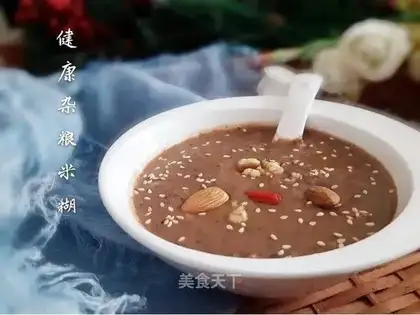
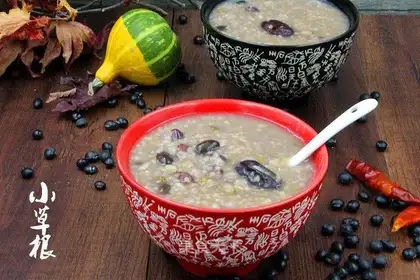
- Porridge: Cooked with water or milk, foxtail millet porridge is a nutritious breakfast option, especially when topped with fruits, nuts, or honey.
- Salads: Cooked and cooled foxtail millet can be mixed with vegetables, herbs, and a dressing to create a hearty, gluten-free salad.
- Baked Goods: Foxtail millet flour can be used to make bread, muffins, and cookies, providing a gluten-free alternative to wheat flour.
- Soups and Stews: Adding foxtail millet to soups and stews increases their nutritional content and adds a delightful texture.
- Fermented Foods: In traditional Asian cuisines, foxtail millet is fermented to make alcoholic beverages like jiuqu or non-alcoholic probiotic drinks.
Conclusion
Foxtail millet is a nutritional powerhouse that bridges ancient wisdom and modern science. Its rich profile of complex carbohydrates, fiber, protein, vitamins, and minerals makes it a valuable addition to a healthy diet, offering benefits ranging from blood sugar regulation to heart health and digestive wellness. While precautions such as soaking to reduce antinutrients and moderating intake for thyroid health are important, these minor steps ensure safe and optimal consumption. As the world shifts toward sustainable and nutrient-dense foods, foxtail millet stands out as a humble yet mighty grain, proving that sometimes the oldest foods hold the key to the best health. By embracing this ancient grain, we not only nourish our bodies but also honor the agricultural heritage of civilizations past.