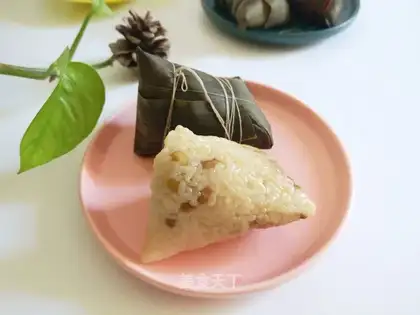
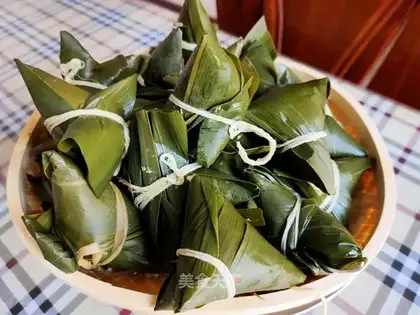
Glutinous rice (Oryza sativa var. glutinosa), commonly known as "sticky rice" or "sweet rice," is a staple food in many Asian countries, including China, Thailand, Vietnam, and Japan. Renowned for its sticky, chewy texture when cooked, this cereal grain has been a dietary cornerstone for millennia, not only for its unique culinary properties but also for its impressive nutritional profile and health benefits. However, despite its advantages, glutinous rice is not without its considerations. This article explores the nutritional value of glutinous rice, its health benefits, potential risks, and dietary precautions to help individuals incorporate it wisely into their diets.
Nutritional Value of Glutinous Rice
Glutinous rice stands out from other rice varieties due to its high amylopectin content—a type of starch that gives it its signature sticky texture. Nutritionally, it is a rich source of carbohydrates, dietary fiber, and essential minerals, though its macronutrient profile differs notably from non-glutinous rice.
1. Carbohydrates and Energy
As a high-energy grain, glutinous rice is primarily composed of carbohydrates, accounting for approximately 80–85% of its dry weight. Unlike long-grain rice, which is rich in amylose (a linear starch molecule), glutinous rice contains over 98% amylopectin, a branched starch that is rapidly digested and absorbed. This makes it a quick source of energy, ideal for individuals with high energy demands, such as athletes or laborers. However, its rapid digestion also means it can cause sharper spikes in blood sugar compared to high-amylose rice varieties.
2. Dietary Fiber
While often perceived as a "refined grain," glutinous rice retains a moderate amount of dietary fiber, particularly when consumed in its whole-grain form (brown glutinous rice). Fiber aids digestion, promotes satiety, and helps regulate blood sugar levels. A 100-gram serving of cooked glutinous rice provides about 1.5–2 grams of fiber, which is lower than brown rice (3.5 grams) but comparable to white rice. Fiber also supports gut health by serving as a prebiotic, nourishing beneficial gut bacteria.
3. Essential Minerals and Vitamins
Glutinous rice is a good source of several key minerals, including:
- Manganese: Plays a critical role in bone formation, metabolism, and antioxidant defense. A 100-gram serving provides approximately 20% of the daily recommended intake.
- Phosphorus: Essential for energy production, cell repair, and teeth and bone health.
- Magnesium: Supports muscle function, nerve signaling, and blood pressure regulation.
- Iron: Crucial for oxygen transport and red blood cell production, though its bioavailability from plant sources is lower than from animal products.
In terms of vitamins, glutinous rice contains small amounts of B vitamins, such as thiamin (B1) and riboflavin (B2), which are important for energy metabolism. However, like most refined grains, white glutinous rice is stripped of its bran and germ during processing, reducing its vitamin content. Opting for brown glutinous rice can retain more of these nutrients.
4. Protein and Amino Acids
Glutinous rice contains moderate protein (6–8% of dry weight), though it is incomplete, lacking sufficient lysine and threonine—essential amino acids found abundantly in legumes, meat, and dairy. For balanced nutrition, it is often paired with protein-rich foods in traditional diets, such as fish, tofu, or lentils.
Health Benefits of Glutinous Rice
Beyond its nutritional composition, glutinous rice offers several health benefits, supported by both traditional medicine and modern research.
1. Boosts Energy and Enhances Physical Performance
Thanks to its high amylopectin content, glutinous rice is rapidly broken down into glucose, providing a quick and sustained release of energy. This makes it a preferred food for athletes before intense workouts and for individuals recovering from illness or fatigue. In traditional Chinese medicine, glutinous rice is often prescribed to "strengthen the spleen and stomach" and restore vitality, particularly for those with weak digestion or low energy.
2. Aids Digestion and Gut Health
While its sticky texture may seem heavy, glutinous rice is actually easy to digest, especially when cooked properly (e.g., steamed or boiled). It is often recommended for individuals with digestive issues, such as children, the elderly, or those recovering from gastrointestinal surgery. The fiber in brown glutinous rice also promotes regular bowel movements and prevents constipation. Additionally, the resistant starch (a type of fiber) formed when glutinous rice cools acts as a prebiotic, feeding beneficial gut bacteria and improving gut microbiota balance.
3. Supports Bone and Muscle Health
The manganese and phosphorus in glutinous rice are vital for maintaining strong bones and teeth. Manganese helps synthesize collagen, a protein that provides structure to bones, while phosphorus works with calcium to form hydroxyapatite, the mineral complex that gives bones their strength. These minerals also support muscle function, making glutinous rice a valuable addition to the diets of growing children, pregnant women, and the elderly.
4. Traditional Medicinal Uses
In traditional Asian medicine, glutinous rice is revered for its warming properties and is often used to treat cold-related ailments. For example:
- Colds and Respiratory Issues: A porridge made with glutinous rice, ginger, and garlic is believed to expel "cold" from the body, alleviate congestion, and boost immunity.
- Skin Health: Glutinous rice water (the starchy liquid left after soaking or cooking rice) is used topically in skincare to soothe inflammation, brighten complexion, and moisturize the skin. It is rich in inositol, a carbohydrate that promotes skin cell regeneration.
- Postpartum Recovery: In many cultures, glutinous rice-based dishes, such as "red bean glutinous rice," are consumed by new mothers to replenish nutrients, improve lactation, and restore energy.
5. Gluten-Free Alternative
Glutinous rice is naturally gluten-free, making it a safe and delicious option for individuals with celiac disease or gluten sensitivity. Its sticky texture mimics that of wheat-based products, allowing it to be used in gluten-free baking (e.g., rice cakes, mochi) and as a substitute for wheat flour in some recipes.
Potential Risks and Precautions
While glutinous rice offers numerous benefits, its unique nutritional properties also mean it may not be suitable for everyone. Understanding its potential risks is key to incorporating it into a healthy diet.
1. High Glycemic Index (GI) and Blood Sugar Concerns
Glutinous rice has a high glycemic index (GI), typically ranging from 80 to 100, meaning it causes rapid spikes in blood sugar levels. This is particularly concerning for individuals with diabetes, insulin resistance, or metabolic syndrome. Frequent consumption of high-GI foods can increase the risk of blood sugar fluctuations, weight gain, and long-term complications such as type 2 diabetes. For those with diabetes, portion control is essential, and pairing glutinous rice with fiber, protein, or healthy fats (e.g., vegetables, lean meat, or avocado) can help mitigate blood sugar spikes.
2. Digestive Discomfort
The high amylopectin content and sticky texture of glutinous rice can make it difficult to digest for some individuals, especially when consumed in large quantities. This may lead to bloating, gas, or stomach discomfort. People with irritable bowel syndrome (IBS) or small intestinal bacterial overgrowth (SIBO) may need to limit their intake or opt for brown glutinous rice, which contains more fiber and digests more slowly.
3. Calorie Density and Weight Management
Glutinous rice is calorie-dense, with approximately 100 grams of cooked rice providing around 150–160 calories. Its sticky texture and pleasant taste can also lead to overconsumption, which may contribute to weight gain if not balanced with physical activity. For individuals aiming to lose or maintain weight, measuring portions and pairing glutinous rice with low-calorie, nutrient-dense foods (e.g., steamed vegetables, lean protein) is advisable.
4. Arsenic Contamination
Like all rice, glutinous rice may contain trace amounts of arsenic, a toxic metal that accumulates in rice grains due to its absorption from water and soil. Arsenic exposure is linked to skin problems, cardiovascular disease, and an increased risk of cancer. To minimize arsenic intake, it is recommended to:
- Rinse rice thoroughly before cooking.
- Use a ratio of 6:1 (water:rice) when cooking, as excess water can reduce arsenic levels by up to 60%.
- Diversify grain sources, including wheat, quinoa, or barley, to reduce reliance on rice.
5. Not Suitable for Certain Populations
- Infants and Young Children: Glutinous rice’s sticky texture poses a choking hazard for young children, especially if not cooked thoroughly or mixed with other foods.
- Post-Surgery Patients: Individuals recovering from abdominal surgery may find glutinous rice difficult to digest initially, as it requires more effort to break down than non-sticky rice.
- Individuals with Kidney Disease: Glutinous rice is relatively high in potassium and phosphorus, which can accumulate in the blood of people with kidney dysfunction, leading to complications. Such individuals should consult a healthcare provider before including it in their diet.
Incorporating Glutinous Rice into a Balanced Diet
To enjoy the benefits of glutinous rice while minimizing risks, consider the following tips:
1. Choose Whole-Grain Varieties: Opt for brown glutinous rice over white glutinous rice to retain more fiber, vitamins, and minerals.
2. Control Portions: Limit servings to ½–1 cup (cooked) per meal to manage calorie and carbohydrate intake.
3. Pair with Nutrient-Rich Foods: Combine glutinous rice with vegetables, lean protein, and healthy fats to balance its glycemic impact and enhance nutritional value. For example, a bowl of glutinous rice with steamed fish, stir-fried greens, and a drizzle of sesame oil provides a well-rounded meal.
4. Soak and Rinse: Soaking glutinous rice for 30 minutes before cooking and rinsing it thoroughly can reduce arsenic levels and improve digestibility.
5. Experiment with Cooking Methods: Steaming, boiling, or making glutinous rice porridge are healthier alternatives to frying, which adds unnecessary calories and unhealthy fats.
Conclusion
Glutinous rice is a versatile and nutrient-dense grain that has sustained populations for centuries. Its high energy content, ease of digestion, and gluten-free nature make it a valuable addition to many diets, particularly for those seeking a quick energy boost or a gluten-free alternative. However, its high glycemic index, calorie density, and potential arsenic contamination require mindful consumption. By choosing whole-grain varieties, controlling portions, and pairing it with nutrient-rich foods, individuals can harness the health benefits of glutinous rice while minimizing its risks. Whether enjoyed as a savory porridge, a sweet dessert, or a staple side dish, glutinous rice remains a testament to the enduring wisdom of traditional foods—offering both nourishment and delight in every sticky bite.