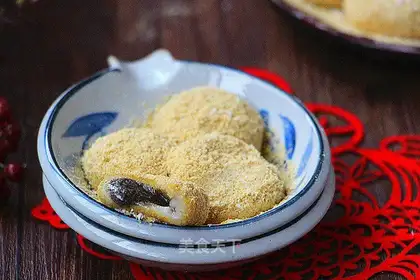
Soybean flour, a versatile and nutrient-dense ingredient derived from ground roasted or raw soybeans, has been a staple in traditional cuisines across Asia for centuries. Today, it is globally recognized for its exceptional nutritional profile, culinary adaptability, and potential health-promoting properties. Rich in plant-based protein, fiber, vitamins, and minerals, soybean flour serves as a valuable addition to diets ranging from vegetarian to gluten-free. However, like all concentrated foods, it must be consumed mindfully to maximize benefits and avoid adverse effects. This article explores the nutritional value of soybean flour, its evidence-based health benefits, and important considerations for safe consumption.
I. Nutritional Value of Soybean Flour
Soybean flour stands out among legume flours due to its impressive concentration of macronutrients and bioactive compounds. A 100-gram serving of defatted soybean flour (commonly used in baking) provides approximately 360 calories, 50 grams of protein, 30 grams of carbohydrates, and 12 grams of fiber, with just 6 grams of fat. In contrast, full-fat soybean flour contains higher fat content (around 20 grams per 100 grams), including heart-healthy unsaturated fats like linoleic acid and alpha-linolenic acid (ALA), an omega-3 fatty acid.
1. High-Quality Plant Protein
Soybeans are one of the few plant-based sources of complete protein, containing all nine essential amino acids (histidine, isoleucine, leucine, lysine, methionine, phenylalanine, threonine, tryptophan, and valine) in proportions that meet human dietary needs. This makes soybean flour particularly valuable for vegetarians, vegans, and individuals seeking to reduce animal protein intake. The protein digestibility corrected amino acid score (PDCAAS) of soybean flour ranges from 0.9 to 1.0, the highest possible rating for plant proteins, comparable to dairy and meat.
2. Fiber and Complex Carbohydrates
Soybean flour is rich in dietary fiber, including both soluble and insoluble varieties. Soluble fiber, such as pectin and beta-glucans, helps regulate blood sugar and cholesterol levels, while insoluble fiber promotes digestive health by preventing constipation and supporting a healthy gut microbiome. The low glycemic index (GI) of soybean flour (around 15–20) ensures gradual glucose release, making it suitable for individuals with diabetes.
3. Vitamins and Minerals
Soybean flour is a potent source of essential micronutrients:
- B vitamins: It contains significant amounts of thiamine (B1), riboflavin (B2), niacin (B3), and folate (B9), which play critical roles in energy metabolism, nerve function, and DNA synthesis.
- Minerals: It provides iron (crucial for oxygen transport), calcium (for bone health), magnesium (for muscle and nerve function), potassium (for blood pressure regulation), and zinc (for immune support). Notably, soybean flour is one of the few plant-based sources of highly bioavailable iron, especially when consumed with vitamin C (e.g., in fruit smoothies).
4. Bioactive Compounds
Soybeans are renowned for their phytochemicals, particularly isoflavones (genistein, daidzein, and glycitein), which exhibit antioxidant, anti-inflammatory, and estrogen-like properties. These compounds are linked to reduced risk of chronic diseases, including cardiovascular disorders and certain cancers. Additionally, soybean flour contains saponins and phospholipids, which may support immune function and brain health, respectively.
II. Health Benefits of Soybean Flour
The unique nutritional composition of soybean flour translates into a range of evidence-based health benefits, making it a functional food with therapeutic potential.
1. Supports Muscle Maintenance and Growth
With its high-quality protein content, soybean flour is ideal for muscle repair and growth, particularly for athletes, older adults (to combat sarcopenia), and those recovering from illness. Studies show that soy protein stimulates muscle protein synthesis (MPS) similarly to whey protein, especially when combined with resistance training. The branched-chain amino acids (BCAAs) leucine, isoleucine, and valine in soybean flour further enhance muscle recovery.
2. Manages Blood Sugar Levels
The combination of fiber, protein, and low GI in soybean flour makes it effective for blood sugar control. Soluble fiber slows carbohydrate digestion, preventing rapid spikes in blood glucose. A 2021 meta-analysis in Nutrients found that replacing refined flour with soybean flour significantly reduced fasting blood glucose and HbA1c (a marker of long-term blood sugar control) in individuals with type 2 diabetes.
3. Promotes Heart Health
Soybean flour is a key component of heart-healthy diets. Its soluble fiber binds to bile acids in the intestines, reducing LDL (“bad”) cholesterol reabsorption. The isoflavones in soy improve endothelial function (the lining of blood vessels) and reduce inflammation, lowering the risk of atherosclerosis. The American Heart Association (AHA) recommends consuming 25 grams of soy protein daily to reduce LDL cholesterol by 5–10%.
4. Aids Weight Management
High-protein, high-fiber foods like soybean flour increase satiety, reducing overall calorie intake. A 2020 study in Appetite found that participants who consumed soy-based snacks reported reduced hunger and lower subsequent calorie intake compared to those eating carbohydrate-based snacks. Additionally, soy protein may boost metabolism slightly, enhancing fat burning.
5. Supports Bone Health
Soybean flour is a valuable source of calcium, magnesium, and vitamin K (if fortified), all essential for bone density. Isoflavones may also protect bone health by mimicking estrogen, which declines during menopause—a period when women are at high risk of osteoporosis. A 2019 review in Journal of Bone and Mineral Research concluded that soy isoflavone supplementation (equivalent to 50 grams of soy flour daily) reduced bone loss in postmenopausal women.
6. Anticancer Potential
Epidemiological studies suggest that populations with high soy intake (e.g., East Asians) have lower rates of hormone-related cancers, such as breast and prostate cancer. Isoflavones, particularly genistein, inhibit tumor growth by blocking angiogenesis (formation of new blood vessels) and inducing apoptosis (programmed cell death) in cancer cells. While more clinical trials are needed, the World Cancer Research Fund (WCRF) classifies soy as “likely protective” against breast cancer.
III. Precautions and Potential Side Effects
Despite its benefits, soybean flour may not be suitable for everyone, and excessive or improper consumption can lead to adverse effects.
1. Soy Allergies
Soy is one of the eight major food allergens, affecting an estimated 0.5% of adults and 0.4% of children. Allergic reactions range from mild (hives, itching) to severe (anaphylaxis, difficulty breathing). Individuals with soy allergies must avoid soybean flour entirely and carefully read food labels, as soy is often used as a hidden ingredient in baked goods, sauces, and processed foods.
2. Thyroid Function
Soy contains goitrogens (compounds that interfere with thyroid hormone synthesis), particularly when consumed raw or in large amounts. For individuals with iodine deficiency or preexisting hypothyroidism, excessive soy intake may exacerbate thyroid dysfunction. Cooking soybeans reduces goitrogen activity, and moderate consumption (1–2 servings daily) is generally safe for those with normal thyroid function.
3. Digestive Discomfort
Soybean flour is high in oligosaccharides (raffinose and stachyose), which are poorly digested by humans and can cause gas, bloating, and diarrhea in sensitive individuals. Soaking, fermenting (e.g., in tempeh or miso), or sprouting soybeans before grinding can reduce oligosaccharide levels and improve digestibility.
4. Phytoestrogen Sensitivity
Isoflavones’ estrogenic effects raise concerns for certain groups:
- Breast Cancer Survivors: While moderate soy intake is generally considered safe, some experts advise limiting consumption to 1–2 servings daily due to conflicting evidence on isoflavones’ impact on estrogen-sensitive cancers.
- Infants and Children: Soy-based infant formulas are widely used, but parents should consult pediatricians, as high isoflavone exposure during early development may affect reproductive health.
5. Mineral Absorption Interference
Soybean flour contains phytates, which can bind to minerals like iron, zinc, and calcium, reducing their absorption. To mitigate this, soak or ferment soybeans before use, or consume soy flour with vitamin C-rich foods (e.g., citrus fruits, bell peppers) to enhance iron absorption.
6. GMO Concerns
Most soybeans grown globally are genetically modified (GM) to resist herbicides (e.g., Roundup Ready soy). Consumers concerned about GMOs should opt for organic, non-GMO certified soybean flour to avoid potential pesticide residues and environmental impacts.
IV. Culinary Uses and Practical Tips
Soybean flour’s versatility makes it easy to incorporate into daily diets:
- Baking: Replace 10–30% of wheat flour with soybean flour in bread, muffins, and pancakes to boost protein and fiber.
- Thickening: Use it as a gluten-free thickener for soups, sauces, and gravies.
- Smoothies and Porridge: Add 1–2 tablespoons to smoothies or oatmeal for a nutrient boost.
- Traditional Dishes: Make tofu, soy milk, or fermented foods like tempeh and miso from whole soybeans for enhanced digestibility and flavor.
For optimal benefits, consume soybean flour as part of a balanced diet, and prioritize fermented or cooked forms to minimize anti-nutrients.
Conclusion
Soybean flour is a nutritional powerhouse offering exceptional health benefits, from muscle support to heart health and disease prevention. Its high-quality protein, fiber, vitamins, and bioactive compounds make it a valuable ingredient for diverse dietary needs. However, moderation and awareness of potential risks—such as allergies, thyroid effects, and digestive issues—are essential. By incorporating soybean flour mindfully, individuals can harness its potential to enhance overall health while minimizing adverse effects. As research continues to uncover new benefits, soybean flour is poised to remain a cornerstone of global nutrition and culinary innovation.