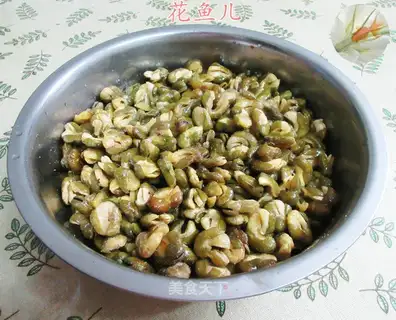
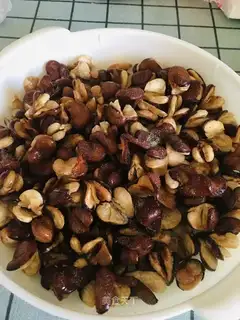
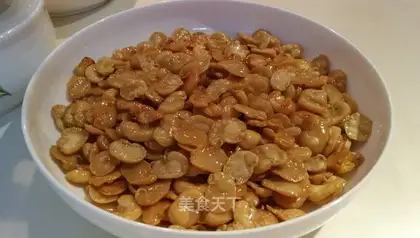
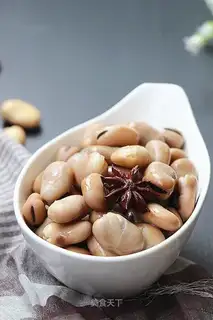
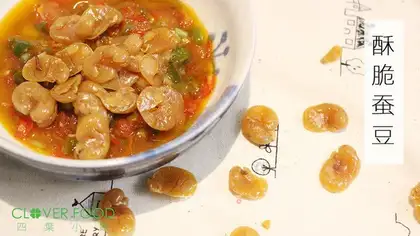
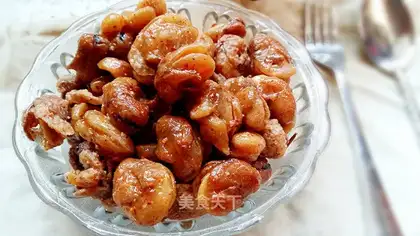
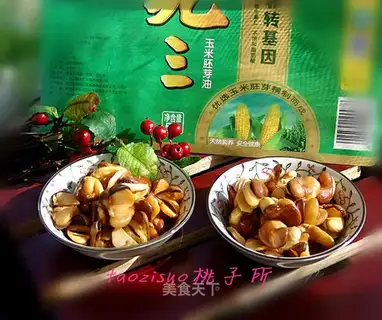
Fava beans, scientifically known as Vicia faba, have been a dietary staple for thousands of years, tracing their origins to ancient Mediterranean and Middle Eastern civilizations. Today, these versatile legumes are consumed fresh, frozen, or dried, with dried fava beans standing out for their exceptional nutritional density, long shelf life, and culinary adaptability. Often called "broad beans" or "horse beans," dried fava beans are not only a rich source of plant-based protein and fiber but also offer a host of health benefits. However, like many legumes, they require proper preparation and come with certain precautions. This article explores the nutritional profile, health benefits, and potential risks associated with dried fava beans, providing a comprehensive guide for incorporating this "superfood" into a balanced diet.
Nutritional Profile of Dried Fava Beans
Dried fava beans are a nutritional powerhouse, packed with essential vitamins, minerals, macronutrients, and bioactive compounds. A 100-gram serving of cooked dried fava beans (without salt) contains approximately:
- Macronutrients:
- Protein: 8.5 grams, including all nine essential amino acids, making it a valuable plant-based protein source for vegetarians and vegans.
- Dietary Fiber: 5.6 grams, which promotes digestive health and satiety.
- Carbohydrates: 27 grams, with a low glycemic index (GI) of ~40, ensuring gradual energy release.
- Fat: 0.4 grams, mostly unsaturated fats, including heart-healthy polyunsaturated and monounsaturated fats.
- Vitamins:
- Folate (Vitamin B9): 106 micrograms (27% of Daily Value, DV), critical for DNA synthesis, cell division, and fetal development during pregnancy.
- Vitamin K: 4.0 micrograms (5% DV), essential for blood clotting and bone health.
- Vitamin B6: 0.1 milligrams (6% DV), supporting metabolism and nervous system function.
- Thiamine (Vitamin B1): 0.1 milligrams (8% DV), aiding energy production from carbohydrates.
- Minerals:
- Manganese: 0.3 milligrams (15% DV), a cofactor for antioxidant enzymes and metabolism regulation.
- Magnesium: 42 milligrams (10% DV), important for muscle function, blood pressure regulation, and bone health.
- Iron: 1.5 milligrams (8% DV), vital for oxygen transport and red blood cell production.
- Phosphorus: 121 milligrams (12% DV), supporting bone and teeth health.
- Copper: 0.2 milligrams (20% DV), aiding iron absorption and immune function.
- Bioactive Compounds:
- L-DOPA: A precursor to dopamine, fava beans contain notable amounts of L-DOPA, which supports brain health and motor function.
- Levodopa: Used in Parkinson’s disease treatment, fava beans are a natural source of this compound, though their L-DOPA content varies by cultivar and ripeness.
- Antioxidants: Rich in polyphenols, such as proanthocyanidins and flavonoids, which combat oxidative stress and reduce inflammation.
Health Benefits of Dried Fava Beans
The nutrient density of dried fava beans translates into numerous health benefits, spanning cardiovascular, digestive, metabolic, and neurological health.
1. Supports Cardiovascular Health
Fava beans are a heart-healthy food due to their high fiber and potassium content, coupled with low sodium. Fiber helps lower LDL ("bad") cholesterol by binding to bile acids in the digestive system, promoting their excretion. Potassium, on the other hand, counteracts the effects of sodium by relaxing blood vessels and reducing blood pressure. A study published in the Journal of Nutrition found that regular legume consumption, including fava beans, is associated with a 14% lower risk of coronary heart disease. Additionally, the polyphenols in fava beans inhibit LDL oxidation, a key step in atherosclerosis development.
2. Enhances Digestive Health
The high fiber content (both soluble and insoluble) in fava beans promotes regular bowel movements, prevents constipation, and supports a healthy gut microbiome. Soluble fiber acts as a prebiotic, feeding beneficial gut bacteria like Bifidobacterium and Lactobacillus, which produce short-chain fatty acids (SCFAs) like butyrate. Butyrate reduces gut inflammation, strengthens the intestinal barrier, and may lower the risk of colorectal cancer. Insoluble fiber adds bulk to stool, speeding up transit time and reducing the risk of diverticulitis.
3. Regulates Blood Sugar Levels
With a low glycemic index (GI) and high fiber and protein content, fava beans help stabilize blood sugar levels, making them an ideal food for individuals with diabetes or insulin resistance. Fiber slows carbohydrate digestion, preventing rapid spikes in blood glucose, while protein enhances satiety and reduces postprandial (after-meal) blood sugar fluctuations. A 2018 study in Nutrients reported that replacing refined grains with fava beans improved glycemic control in type 2 diabetic patients.
4. Boosts Immune Function and Iron Absorption
Fava beans are a good source of non-heme iron, which is less easily absorbed than heme iron (from animal products). However, their high vitamin C content (though lower than fresh beans, dried fava beans still retain modest amounts) enhances non-heme iron absorption by converting it to a more bioavailable form. Iron is essential for producing hemoglobin, the protein in red blood cells that carries oxygen, and for maintaining immune function. Iron deficiency can lead to anemia, characterized by fatigue, weakness, and impaired cognitive function.
5. Supports Brain Health and Neurological Disorders
Fava beans are one of the richest natural sources of L-DOPA, a precursor to dopamine, a neurotransmitter involved in movement, mood, and motivation. Dopamine deficiency is linked to Parkinson’s disease, a neurodegenerative disorder characterized by tremors, rigidity, and bradykinesia. While synthetic levodopa is the standard treatment, studies suggest that consuming fava beans may help alleviate symptoms and reduce medication dosage. For example, a small clinical trial in Movement Disorders found that Parkinson’s patients who consumed fava beans experienced improved motor function compared to a control group. Additionally, the folate in fava beans supports brain health by reducing homocysteine levels, an amino acid linked to cognitive decline and Alzheimer’s disease.
6. Promotes Weight Management
The high protein and fiber content in fava beans promotes satiety, reducing overall calorie intake and aiding weight loss. Protein increases the production of satiety hormones like peptide YY (PYY) and glucagon-like peptide-1 (GLP-1), while fiber slows gastric emptying, keeping you feeling full longer. A 2020 review in Appetite concluded that legume consumption is associated with a 30% lower risk of obesity, likely due to their satiating effects and nutrient density.
Precautions and Potential Risks of Dried Fava Beans
Despite their numerous health benefits, dried fava beans require careful preparation and consumption due to certain risks, particularly for specific populations.
1. Favism (G6PD Deficiency)
The most significant risk associated with fava beans is favism, a hemolytic disorder triggered by consumption of fava beans in individuals with glucose-6-phosphate dehydrogenase (G6PD) deficiency. G6PD is an enzyme that protects red blood cells from oxidative damage. In deficient individuals, compounds in fava beans (vicine and convicine) generate reactive oxygen species, leading to hemolysis (rupture of red blood cells). Symptoms include fatigue, jaundice, dark urine, shortness of breath, and in severe cases, kidney failure or death. Favism is most common in people of Mediterranean, African, Middle Eastern, and South Asian descent, where G6PD deficiency is prevalent. Individuals with a known G6PD deficiency should strictly avoid fava beans.
2. Antinutrients
Like other legumes, dried fava beans contain antinutrients that can reduce mineral absorption and cause digestive discomfort if not properly prepared:
- Phytic Acid: Binds to minerals like iron, zinc, and calcium, inhibiting their absorption. Soaking and cooking reduce phytic acid content by 20–50%.
- Tannins: Interfere with iron and protein absorption. Soaking and dehulling (removing the outer skin) can lower tannin levels.
- Oligosaccharides (Raffinose and Stachyose): Cause gas, bloating, and flatulence due to incomplete digestion in the small intestine. Soaking and prolonged cooking break down these compounds.
To minimize antinutrients, dried fava beans should be soaked for at least 8–12 hours (or overnight) and cooked thoroughly (boiling for 30–60 minutes). Discarding the soaking water further reduces phytic acid and tannin content.
3. Drug Interactions
Fava beans contain L-DOPA, which may interact with medications used to treat Parkinson’s disease. Combining fava beans with levodopa can lead to excessive dopamine levels, causing side effects such as nausea, dizziness, confusion, or involuntary movements. Patients taking levodopa should consult their healthcare provider before consuming fava beans. Additionally, fava beans may interact with monoamine oxidase inhibitors (MAOIs), a class of antidepressants, potentially increasing blood pressure (a "cheese reaction").
4. Pregnancy and Breastfeeding
While fava beans are a good source of folate, which is critical during pregnancy, pregnant women with G6PD deficiency should avoid them due to the risk of favism. Additionally, excessive consumption may cause digestive discomfort, such as gas or bloating, which is common during pregnancy. Moderation is key, and consulting a healthcare provider is advisable.
Culinary Uses and Preparation Tips
Dried fava beans are highly versatile in the kitchen but require proper preparation to enhance digestibility and reduce antinutrients:
1. Soaking: Rinse the beans and soak in cold water for 8–12 hours (or overnight). Discard the soaking water.
2. Dehulling: After soaking, the outer skin (seed coat) can be slipped off by pinching each bean. This step reduces tannins and improves texture.
3. Cooking: Boil the beans in fresh water for 30–60 minutes until tender. Pressure cooking reduces cooking time to 10–15 minutes.
4. Culinary Applications:
- Mediterranean Cuisine: Purée cooked fava beans with olive oil, lemon juice, and garlic to make foul medames, a popular Egyptian breakfast.
- Salads and Soups: Add cooked fava beans to salads, stews, or soups for a protein and fiber boost.
- Mashes and Dips: Mash with herbs and spices for a healthy alternative to hummus.
- Side Dishes: Sauté with garlic and greens as a flavorful side dish.
Conclusion
Dried fava beans are a nutritional powerhouse, offering an impressive array of vitamins, minerals, protein, fiber, and bioactive compounds. Their health benefits—from supporting heart and digestive health to regulating blood sugar and boosting brain function—make them a valuable addition to a balanced diet. However, proper preparation is essential to reduce antinutrients and minimize digestive discomfort, and individuals with G6PD deficiency must avoid them due to the risk of favism. When consumed in moderation and prepared correctly, dried fava beans can be a delicious and nutritious staple that enhances overall health and well-being. As with any food, understanding its benefits and risks allows us to make informed choices and harness its full potential.