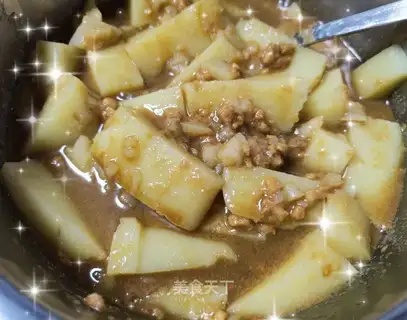
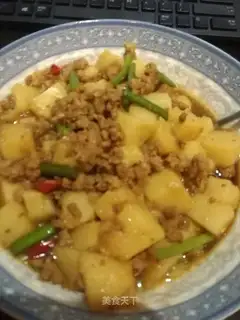
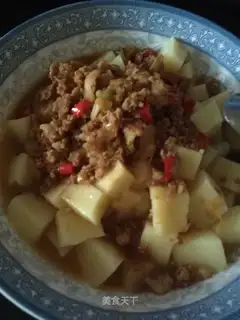
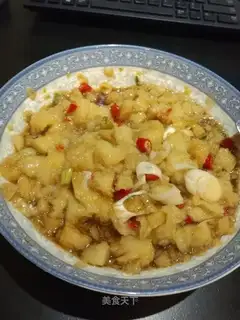
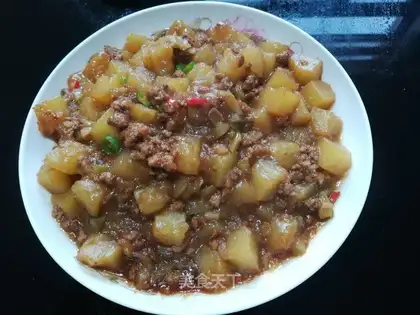
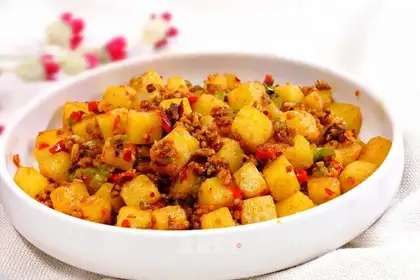
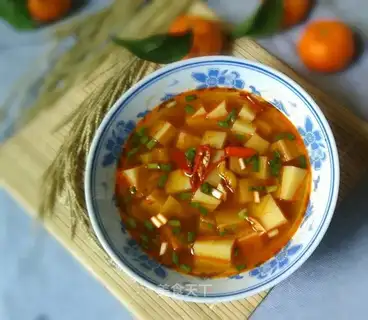
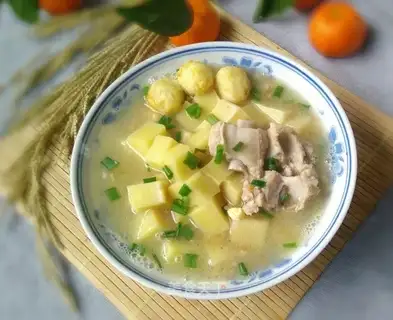
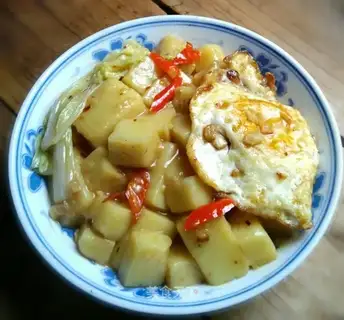
Rice tofu, a beloved traditional food in many Asian countries, particularly China, has been cherished for centuries for its delicate texture, mild flavor, and impressive nutritional profile. Made from finely ground rice flour mixed with water and a natural coagulant (such as plant ash water or gypsum), this translucent, jelly-like substance is more than just a culinary delight—it is a nutritional powerhouse with numerous health benefits. However, like any food, it must be consumed wisely to maximize its advantages and avoid potential risks. This article explores the nutritional value, health benefits, and precautions associated with rice tofu, offering a comprehensive guide to this humble yet remarkable ingredient.
Nutritional Value of Rice Tofu
Rice tofu is a nutrient-dense food that combines the benefits of rice with the unique properties of a coagulated protein structure. Its nutritional composition varies slightly depending on the type of rice used and the coagulant, but its core nutrients make it a valuable addition to a balanced diet.
1. Carbohydrates and Energy
As the primary ingredient, rice provides a rich source of complex carbohydrates, which are broken down into glucose to fuel the body’s activities. Unlike simple sugars, complex carbohydrates release energy gradually, helping to maintain stable blood sugar levels and sustain energy throughout the day. A 100-gram serving of rice tofu contains approximately 20–25 grams of carbohydrates, making it a suitable choice for individuals needing a quick yet enduring energy boost, such as athletes or those recovering from illness.
2. Protein and Amino Acids
Though not as protein-rich as soybean tofu, rice tofu still contains a moderate amount of high-quality protein (around 3–5 grams per 100 grams). The protein in rice tofu is derived from rice, which is low in lysine, an essential amino acid. However, when combined with other protein sources (such as legumes or meat), rice tofu can contribute to a complete amino acid profile, supporting muscle repair, immune function, and overall growth.
3. Vitamins and Minerals
Rice tofu is a notable source of several essential vitamins and minerals:
- B Vitamins: It contains small amounts of B vitamins, including thiamine (B1), riboflavin (B2), and niacin (B3), which play crucial roles in energy metabolism and nervous system health.
- Iron: Iron is vital for oxygen transport in the blood and preventing anemia. Rice tofu provides non-heme iron, which is better absorbed when consumed with vitamin C-rich foods (such as bell peppers or citrus fruits).
- Calcium: Depending on the coagulant used, rice tofu can be a good source of calcium. If gypsum (calcium sulfate) is the coagulant, a 100-gram serving may contain up to 50–100 milligrams of calcium, contributing to bone and teeth health.
- Magnesium and Phosphorus: These minerals are essential for bone strength, muscle function, and energy production.
4. Low in Fat and Calories
Rice tofu is naturally low in fat (containing less than 1 gram of fat per 100 grams) and calories (around 50–70 calories per 100 grams), making it an ideal food for weight management. Its high water content (over 90%) also promotes satiety, helping to reduce overall calorie intake.
5. Dietary Fiber
While not as high in fiber as whole grains, rice tofu contains a small amount of soluble fiber, which aids digestion, supports gut health, and helps regulate cholesterol levels.
Health Benefits of Rice Tofu
The unique nutritional composition of rice tofu translates into a range of health benefits, from improved digestion to enhanced immune function.
1. Supports Digestive Health
Rice tofu is easy to digest due to its soft, gel-like texture, making it a gentle food for individuals with digestive issues, such as gastritis, irritable bowel syndrome (IBS), or those recovering from surgery. The soluble fiber in rice tofu also acts as a prebiotic, nourishing beneficial gut bacteria and promoting a healthy microbiome. Additionally, its high water content helps prevent constipation by keeping the stool soft and bulky.
2. Aids in Weight Management
Low in calories and fat, rice tofu is an excellent food for weight loss or weight maintenance. Its high water and fiber content increase satiety, reducing the likelihood of overeating. For example, a bowl of rice tofu topped with vegetables and a light sauce can serve as a satisfying, low-calorie meal that supports calorie control without sacrificing nutrition.
3. Regulates Blood Sugar Levels
The complex carbohydrates in rice tofu are digested slowly, preventing rapid spikes in blood sugar levels. This makes it a suitable food for individuals with diabetes or those at risk of developing the condition. Pairing rice tofu with protein or healthy fats (such as lean meat or avocado) can further slow carbohydrate absorption, enhancing its blood sugar-regulating effects.
4. Promotes Bone Health
Calcium and phosphorus are critical for maintaining strong bones and preventing osteoporosis. While rice tofu is not as calcium-rich as dairy products, it can still contribute to daily calcium intake, especially when consumed as part of a diet that includes other calcium sources (such as leafy greens or fortified foods). For individuals who are lactose intolerant or follow a plant-based diet, rice tofu offers a valuable alternative to dairy.
5. Boosts Immune Function
Rice tofu contains small amounts of antioxidants, such as phenolic compounds, which help neutralize harmful free radicals and reduce oxidative stress. Oxidative stress is linked to chronic diseases, including heart disease, cancer, and neurodegenerative disorders. Additionally, the protein in rice tofu provides amino acids necessary for producing immune cells, helping the body fight infections and illnesses.
6. Hydration and Detoxification
With over 90% water content, rice tofu is an excellent food for staying hydrated, especially during hot weather or after exercise. Proper hydration is essential for kidney function, as it helps flush out toxins and waste products from the body. The mild diuretic properties of rice tofu can further support detoxification by promoting urine production.
Precautions and Potential Side Effects
While rice tofu is generally safe for most people, there are certain precautions to keep in mind to avoid adverse effects.
1. Sodium Content
The sodium content of rice tofu can vary depending on the preparation method. Store-bought or commercially produced rice tofu may contain added salt or preservatives to extend shelf life. High sodium intake is linked to high blood pressure and an increased risk of heart disease. To minimize sodium consumption, opt for fresh rice tofu or prepare it at home using minimal salt.
2. Risk of Contamination
Rice tofu is highly perishable due to its high water and protein content. If not stored properly, it can become a breeding ground for bacteria, such as Bacillus cereus, which causes food poisoning. To reduce the risk of contamination:
- Purchase rice tofu from reputable vendors and check for signs of spoilage (e.g., sour smell, slimy texture).
- Store it in the refrigerator at or below 4°C and consume within 2–3 days.
- Reheat rice tofu thoroughly before eating to kill any potential bacteria.
3. Interaction with Medications
Rice tofu contains vitamin K, which plays a role in blood clotting. Individuals taking anticoagulant medications (such as warfarin) should maintain a consistent intake of vitamin K to avoid interactions that could reduce the medication’s effectiveness. It is advisable to consult a healthcare provider or a registered dietitian if you are taking blood thinners and regularly consume rice tofu.
4. Allergic Reactions
While rare, some individuals may be allergic to rice or the coagulants used in rice tofu production (e.g., gypsum). Symptoms of an allergic reaction may include itching, hives, swelling, or difficulty breathing. If you suspect an allergy, discontinue consumption and seek medical attention immediately.
5. Phytic Acid Content
Rice contains phytic acid, an anti-nutrient that can bind to minerals (such as iron, zinc, and calcium) and reduce their absorption. Soaking rice overnight before making rice tofu can help reduce phytic acid levels, improving mineral bioavailability. Additionally, consuming vitamin C-rich foods alongside rice tofu can enhance iron absorption.
Conclusion
Rice tofu is a versatile and nutritious food that offers a wide range of health benefits, from improved digestion to enhanced bone health. Its low calorie and fat content make it an excellent choice for weight management, while its complex carbohydrates provide sustained energy. However, to fully enjoy its benefits, it is important to consume rice tofu in moderation, store it properly, and be mindful of potential interactions with medications or allergens.
Whether enjoyed as a savory dish with chili sauce, a sweet dessert with ginger syrup, or a light snack with fresh vegetables, rice tofu is a testament to the wisdom of traditional cuisine. By incorporating this humble ingredient into a balanced diet, you can savor its unique flavor while nourishing your body with essential nutrients. As with any food, moderation and mindfulness are key—so go ahead, indulge in a bowl of rice tofu, and experience the perfect blend of taste and health.