Introduction
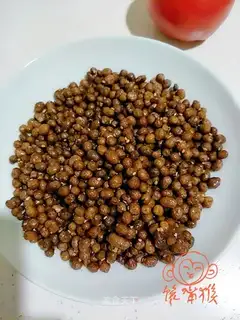
In the vast landscape of traditional Chinese medicine (TCM) and modern nutrition, certain humble ingredients stand out for their remarkable health benefits. Among them, the Chinese yam, or Shanyao (山药), and its smaller, often overlooked counterpart, the yamube (山药豆) or “yam bean,” have been cherished for millennia. While the yam’s elongated root is widely recognized, the yam bean—a small, round tuber resembling a mini potato or chickpea—emerges as a nutritional gem. This article delves into the nutritional profile, health benefits, and precautions associated with yam beans, shedding light on why this ancient food deserves a place in contemporary diets.
Nutritional Profile of Yam Beans
Yam beans (Dioscorea polystachya or Dioscorea bulbifera) are not only delicious but also packed with essential nutrients that support overall health. Their nutritional composition is a blend of carbohydrates, fiber, vitamins, minerals, and bioactive compounds, making them a well-rounded functional food.
1. Carbohydrates and Dietary Fiber
Yam beans are primarily composed of complex carbohydrates, providing a steady release of energy without causing rapid spikes in blood sugar. This makes them an excellent choice for individuals managing diabetes or seeking sustained energy. Additionally, they are rich in dietary fiber, with approximately 100 grams of cooked yam beans containing around 3–4 grams of fiber. Fiber aids digestion, promotes satiety, and supports gut health by acting as a prebiotic, nourishing beneficial gut bacteria.
2. Vitamins
Yam beans are a good source of several vitamins, particularly:
- Vitamin C: A potent antioxidant, vitamin C boosts immune function, aids collagen synthesis for skin health, and enhances iron absorption.
- Vitamin B6: Essential for brain health, metabolism, and red blood cell formation.
- Folate (Vitamin B9): Critical for DNA synthesis and cell division, making it vital during pregnancy.
- Vitamin K: Important for blood clotting and bone metabolism.
3. Minerals
The tuber is abundant in essential minerals, including:
- Potassium: Regulates blood pressure, fluid balance, and muscle function.
- Manganese: Supports bone health, antioxidant defense, and metabolism.
- Magnesium: Involved in over 300 enzymatic reactions, including muscle and nerve function.
- Iron: Essential for oxygen transport in the blood and preventing anemia.
4. Bioactive Compounds
Yam beans contain unique bioactive compounds, such as:
- Diosgenin: A saponin with anti-inflammatory, antioxidant, and potential anticancer properties. It is also a precursor to steroid hormones, making it valuable for hormone balance.
- Allantoin: Promotes tissue repair and wound healing, often used in skincare products.
- Flavonoids and Polyphenols: Antioxidants that combat oxidative stress, reducing the risk of chronic diseases.
Health Benefits of Yam Beans
The combination of nutrients and bioactive compounds in yam beans contributes to a wide range of health benefits, from digestive support to immune enhancement.
1. Supports Digestive Health
Yam beans are a digestive powerhouse. Their high fiber content adds bulk to stool, preventing constipation and promoting regular bowel movements. The prebiotic fiber (inulin, in particular) feeds beneficial gut bacteria, such as Lactobacillus and Bifidobacterium, which are crucial for gut microbiome balance. A healthy gut microbiome is linked to improved immunity, reduced inflammation, and even mental well-being. Additionally, allantoin in yam beans helps soothe the digestive tract, making it beneficial for individuals with gastritis or irritable bowel syndrome (IBS).
2. Regulates Blood Sugar Levels
For people with diabetes or prediabetes, yam beans are a smart dietary choice. Their low glycemic index (GI) means they cause a gradual rise in blood sugar, unlike high-GI foods that trigger spikes. The fiber in yam beans slows carbohydrate absorption, further stabilizing blood glucose levels. Studies in animals and some human trials suggest that diosgenin may enhance insulin sensitivity, improving the body’s ability to regulate blood sugar.
3. Boosts Immune Function
The immune-boosting properties of yam beans stem from their vitamin C and antioxidant content. Vitamin C stimulates the production of white blood cells, which are essential for fighting infections. Polyphenols and flavonoids neutralize free radicals, reducing oxidative stress that can weaken the immune system. Regular consumption of yam beans may help reduce the frequency and severity of colds and other infections.
4. Promotes Heart Health
Yam beans contribute to cardiovascular health in multiple ways. Their potassium content helps counteract the effects of sodium, lowering blood pressure and reducing the risk of hypertension. The fiber in yam beans binds to cholesterol in the digestive system, preventing its absorption and helping to lower LDL (“bad”) cholesterol. Additionally, antioxidants reduce inflammation in blood vessels, improving circulation and reducing the risk of atherosclerosis.
5. Enhances Brain Health and Mood
Yam beans contain nutrients that support cognitive function and mental well-being. Vitamin B6 is essential for synthesizing neurotransmitters like serotonin and dopamine, which regulate mood and sleep. Magnesium helps reduce stress and anxiety by calming the nervous system. Some research also suggests that diosgenin may have neuroprotective effects, potentially slowing age-related cognitive decline.
6. Supports Weight Management
Due to their high fiber and water content, yam beans are highly satiating, helping to curb overeating. A serving of yam beans can keep you feeling full for longer, reducing the likelihood of snacking on unhealthy foods. Their low calorie density (approximately 80–100 calories per 100 grams) makes them an ideal food for weight loss or maintenance.
7. Anti-Inflammatory and Anticancer Properties
Chronic inflammation is a root cause of many diseases, including cancer. Yam beans are rich in anti-inflammatory compounds like diosgenin and polyphenols, which inhibit pro-inflammatory enzymes and cytokines. Diosgenin has also been studied for its potential anticancer effects, showing promise in inhibiting the growth of cancer cells in breast, colon, and liver cancers. While more human trials are needed, these findings highlight yam beans’ role in a cancer-preventive diet.
Culinary Uses and Preparation
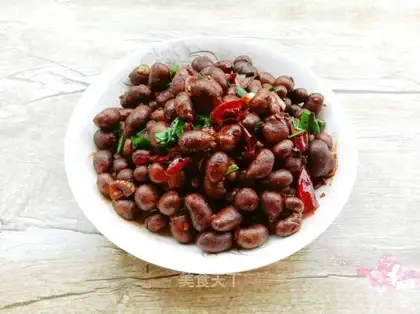
Yam beans are incredibly versatile in the kitchen. They can be boiled, steamed, roasted, mashed, or added to soups and stir-fries. Their mild, slightly sweet flavor pairs well with both sweet and savory dishes. In TCM, yam beans are often cooked with goji berries, dates, or pork to enhance their nourishing properties. For a simple healthy snack, roast yam beans with a drizzle of olive oil and herbs until crispy.
When preparing yam beans, peel them with a vegetable peeler (their skin can be tough) and soak them in water with a splash of vinegar to prevent browning. They can be stored in a cool, dry place for up to two weeks or refrigerated for longer shelf life.
Precautions and Potential Side Effects
While yam beans are generally safe for most people, certain precautions should be taken to maximize their benefits and avoid adverse effects.
1. Allergic Reactions
Some individuals may be allergic to yam beans, experiencing symptoms like itching, swelling, or digestive discomfort. If you are trying yam beans for the first time, start with a small amount and monitor for any adverse reactions.
2. Oxalate Content
Yam beans contain oxalates, compounds that can form kidney stones in susceptible individuals. People with a history of kidney stones should consume yam beans in moderation and ensure adequate hydration to reduce oxalate buildup. Cooking yam beans can help lower their oxalate content.
3. Blood Sugar Medications
Due to their potential to lower blood sugar, individuals taking diabetes medications should monitor their blood sugar levels closely when consuming yam beans to avoid hypoglycemia (low blood sugar). Consult a healthcare provider before making significant dietary changes.
4. Pregnancy and Breastfeeding
Yam beans are generally safe during pregnancy and breastfeeding due to their high folate and nutrient content. However, pregnant women should avoid consuming them raw, as raw tubers may contain compounds that interfere with digestion.
5. Interaction with Medications
Diosgenin in yam beans may have estrogen-like effects, potentially interfering with hormone-sensitive medications (e.g., birth control pills or hormone replacement therapy). Individuals taking such medications should consult their doctor before regularly consuming yam beans.
Conclusion
Yam beans are a nutritional powerhouse, offering a wealth of health benefits from digestive support to immune enhancement and beyond. Their rich profile of vitamins, minerals, fiber, and bioactive compounds makes them a valuable addition to a balanced diet. While precautions exist for certain individuals, the majority of people can safely enjoy yam beans as a delicious and functional food. Whether roasted, steamed, or added to soups, yam beans are a versatile ingredient that bridges the gap between traditional wisdom and modern nutrition. By incorporating yam beans into your meals, you can harness their potential to promote overall health and well-being, proving that good things often come in small packages.