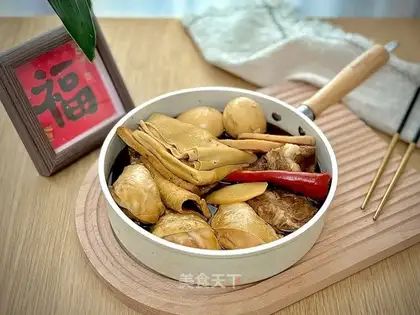
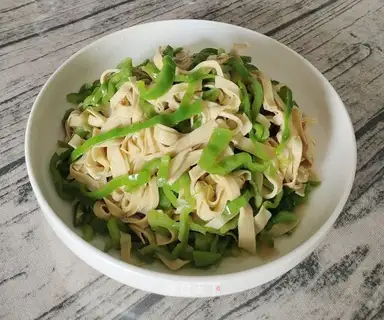
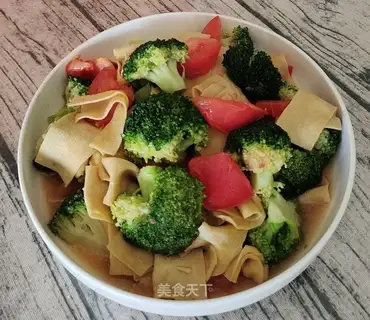
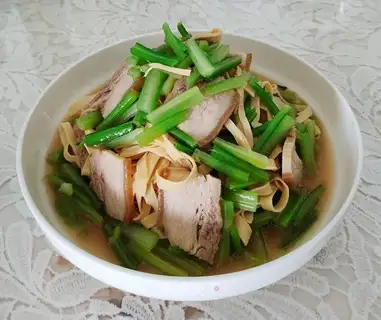
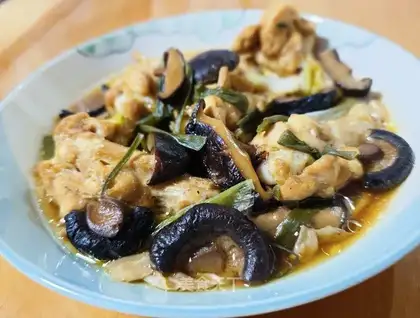
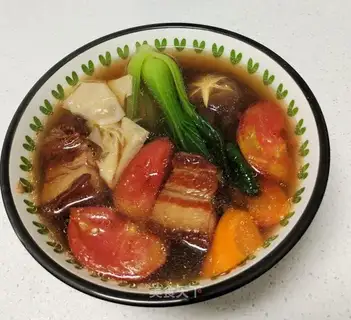
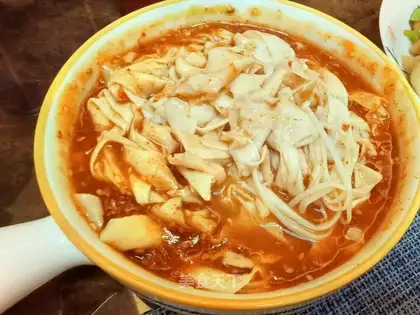
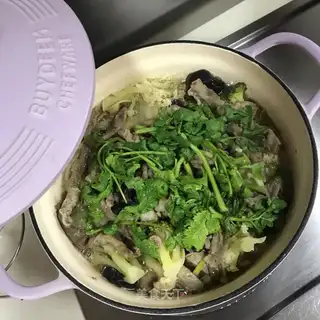
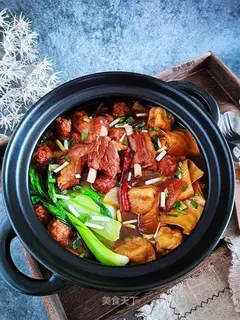
Bean curd skin, also known as soybean skin, yuba, or tofu skin, is a versatile ingredient cherished in Asian cuisines for centuries. Crafted from the film that forms when heated soy milk is skimmed, this delicate yet nutrient-dense food has transcended cultural boundaries to gain global recognition. Often dubbed the "meat of the field" for its rich protein content, bean curd skin is more than just a culinary staple—it is a nutritional powerhouse with a unique profile of vitamins, minerals, and bioactive compounds. This article explores its nutritional value, health benefits, potential risks, and practical consumption guidelines, offering a comprehensive guide to incorporating this ingredient into a balanced diet.
Nutritional Profile: A Concentrated Source of Plant-Based Goodness
Bean curd skin is a nutritional standout due to its concentrated nutrient content, which is derived from soybeans—one of the most protein-rich legumes in the world. Its composition is a testament to the power of plant-based nutrition, offering a balanced mix of macronutrients and essential micronutrients.
Protein: The Building Block of Health
Protein is the most abundant nutrient in bean curd skin, accounting for approximately 44–53% of its dry weight, depending on the production method. Unlike many plant proteins, soy protein (the primary protein in bean curd skin) is a "complete protein," meaning it contains all nine essential amino acids that the human body cannot synthesize on its own. These amino acids—including lysine, methionine, and tryptophan—are critical for muscle repair, enzyme production, immune function, and hormone regulation. For vegetarians, vegans, or individuals looking to reduce animal product consumption, bean curd skin serves as an exceptional alternative to meat, poultry, or dairy.
Fats: Heart-Healthy Unsaturated Fats
While bean curd skin is relatively low in fat (about 15–25% of dry weight), the fats it contains are predominantly unsaturated, including polyunsaturated fatty acids (PUFAs) like omega-3 and omega-6 fatty acids. These fats are known to reduce LDL ("bad") cholesterol, lower inflammation, and support cardiovascular health. Additionally, bean curd skin is free of cholesterol, making it a heart-healthy choice for individuals managing blood lipid levels.
Carbohydrates: Sustained Energy with Low Impact
Carbohydrates constitute roughly 20–30% of bean curd skin’s dry weight, with most of these being complex carbohydrates and dietary fiber. Unlike refined carbs, which cause rapid spikes in blood sugar, the fiber and complex carbs in bean curd skin provide slow, sustained energy, helping to regulate blood sugar levels and prevent overeating. A 100-gram serving of dried bean curd skin contains approximately 15–20 grams of fiber, which promotes digestive health by feeding beneficial gut bacteria, preventing constipation, and supporting a healthy gut microbiome.
Micronutrients: Vitamins and Minerals for Optimal Function
Bean curd skin is a rich source of essential vitamins and minerals, many of which are often lacking in modern diets. Notably, it is high in:
- Iron: Critical for oxygen transport in the blood and preventing anemia. A 100-gram serving provides around 15–20 mg of iron, or roughly 80–100% of the daily recommended intake for adults.
- Calcium: Vital for bone health, muscle function, and nerve signaling. Bean curd skin contains 50–100 mg of calcium per 100 grams, making it a valuable dairy-free calcium source.
- Magnesium: Supports over 300 enzymatic reactions in the body, including energy production, blood pressure regulation, and muscle relaxation.
- B Vitamins: It is particularly rich in riboflavin (B2), niacin (B3), and vitamin B12 (often fortified in commercial varieties). These vitamins play key roles in metabolism, energy production, and red blood cell formation.
- Zinc: Essential for immune function, wound healing, and DNA synthesis.
Bioactive Compounds: Antioxidants and Phytochemicals
Beyond macronutrients and micronutrients, bean curd skin contains bioactive compounds that contribute to its health-promoting properties. Isoflavones, a type of phytoestrogen found in soy, are particularly abundant. Isoflavones such as genistein and daidzein have antioxidant, anti-inflammatory, and anti-cancer effects. They mimic estrogen in the body, making them beneficial for managing menopausal symptoms and reducing the risk of hormone-related cancers, such as breast and prostate cancer. Additionally, bean curd skin contains saponins, which have cholesterol-lowering properties and may support immune function.
Health Benefits: From Disease Prevention to Overall Wellness
The unique nutritional profile of bean curd skin translates into a wide range of health benefits, making it a valuable addition to a preventive health diet.
1. Supports Muscle Growth and Repair
With its high-quality protein content, bean curd skin is an ideal food for athletes, fitness enthusiasts, and older adults. Protein is essential for synthesizing muscle tissue, and the complete amino acid profile in bean curd skin ensures efficient muscle protein synthesis. Studies suggest that consuming soy protein post-exercise can promote muscle recovery and growth similarly to animal-based proteins, making it a sustainable choice for individuals seeking to build or maintain muscle mass.
2. Promotes Heart Health
Cardiovascular disease is a leading global cause of death, and diet plays a critical role in its prevention. Bean curd skin’s combination of unsaturated fats, fiber, and isoflavones makes it a heart-healthy ingredient. The PUFAs help reduce LDL cholesterol and triglycerides, while the fiber binds to cholesterol in the digestive system, preventing its absorption. Isoflavones have been shown to improve blood vessel elasticity, lower blood pressure, and reduce inflammation—all of which contribute to a healthier cardiovascular system. A 2020 meta-analysis published in the Journal of Nutrition found that regular soy protein consumption (like that from bean curd skin) was associated with a 10–15% reduction in the risk of heart disease.
3. Regulates Blood Sugar Levels
For individuals with diabetes or those at risk of developing the condition, bean curd skin is a smart dietary choice. Its low glycemic index (GI) means it causes a gradual rise in blood sugar rather than a spike. The fiber and protein in bean curd skin slow down the absorption of glucose in the gut, helping to maintain stable blood sugar levels. A 2019 study in Diabetes Care found that replacing animal protein with soy protein in the diet improved insulin sensitivity and reduced HbA1c levels (a marker of long-term blood sugar control) in individuals with type 2 diabetes.
4. Aids Weight Management
Weight management is often a balance of calorie control and satiety, and bean curd skin excels in both. With approximately 250–300 calories per 100 grams of dried bean curd skin (and even fewer when rehydrated), it is a nutrient-dense, low-calorie food. Its high protein and fiber content promote satiety, reducing hunger and the likelihood of overeating. Additionally, the protein in bean curd skin has a high thermic effect of food (TEF), meaning the body burns more calories digesting it compared to fats or carbs.
5. Enhances Bone Health
Osteoporosis, a condition characterized by weak and brittle bones, is a major concern for older adults, particularly postmenopausal women. Bean curd skin’s calcium and magnesium content, combined with its isoflavones, make it beneficial for bone health. Calcium provides the structural framework for bones, while magnesium aids in calcium absorption and bone mineralization. Isoflavones have been shown to reduce bone resorption (the breakdown of bone tissue) and increase bone density, lowering the risk of fractures. A 2018 study in Osteoporosis International found that postmenopausal women who consumed soy isoflavones regularly had a 30% lower risk of hip fractures.
6. Boosts Immune Function
A healthy immune system relies on a steady supply of vitamins and minerals, and bean curd skin delivers on multiple fronts. Its zinc content is critical for immune cell development and function, while its B vitamins support the production of antibodies and cytokines (proteins that regulate immune responses). Additionally, the antioxidants in bean curd skin, such as isoflavones and saponins, neutralize free radicals—unstable molecules that can damage cells and weaken the immune system. Regular consumption may help reduce the risk of infections and chronic diseases.
Culinary Uses: Versatility in the Kitchen
Beyond its health benefits, bean curd skin is prized for its culinary versatility. It comes in various forms, including dried sheets, fresh strips, and fried sticks, each suited to different dishes.
- Dried Sheets: These are rehydrated before use and are commonly used to roll fillings, such as in Vietnamese nem rán (spring rolls) or Chinese tofu skin rolls. They can also be braised in soy sauce and spices to create savory dishes like yuba tofu.
- Fresh Strips: Soft and pliable, fresh bean curd skin is often added to soups, stews, or hot pots, where it absorbs flavors and adds a silky texture.
- Fried Sticks: Crispy and savory, fried bean curd skin (known as tofu puffs) is a popular snack or ingredient in stir-fries, curries, and noodle dishes.
Bean curd skin’s mild, slightly nutty flavor makes it adaptable to both sweet and savory dishes. It can be marinated, stir-fried, steamed, or deep-fried, making it a staple in vegan, vegetarian, and omnivorous diets alike.
Potential Risks and Precautions
While bean curd skin is a nutritious food, there are certain considerations to keep in mind to ensure safe and optimal consumption.
1. Anti-Nutrients: Phytic Acid and Trypsin Inhibitors
Like all soy products, bean curd skin contains anti-nutrients such as phytic acid and trypsin inhibitors. Phytic acid can bind to minerals like iron, zinc, and calcium, reducing their absorption. Trypsin inhibitors interfere with protein digestion by blocking the enzyme trypsin. However, these anti-nutrients are significantly reduced during processing—soaking, cooking, and fermenting bean curd skin can lower phytic acid levels by 50–80% and inactivate trypsin inhibitors. For optimal nutrient absorption, it is best to consume bean curd skin cooked rather than raw.
2. Soy Allergies
Soy is one of the eight major allergens, and individuals with soy allergies should avoid bean curd skin. Allergic reactions can range from mild (hives, itching) to severe (anaphylaxis), so those with a known soy allergy must exercise caution.
3. Phytoestrogens and Hormonal Sensitivity
Isoflavones in bean curd skin have weak estrogen-like effects, which has raised concerns about their impact on hormone-sensitive conditions such as breast cancer, endometriosis, and uterine fibroids. While most studies suggest that moderate soy consumption is safe for these individuals, those with a history of hormone-sensitive cancers should consult their healthcare provider before including bean curd skin in their diet.
4. Sodium Content
Commercially prepared bean curd skin products, such as fried tofu puffs or marinated sheets, may be high in sodium due to added salt and sauces. Excessive sodium intake is linked to high blood pressure and an increased risk of heart disease. To minimize sodium intake, opt for unsalted, dried bean curd skin and prepare it at home with minimal salt.
5. Moderation is Key
While bean curd skin is nutritious, excessive consumption can lead to an imbalance in nutrient intake. For example, consuming very large amounts of soy isoflavones may disrupt thyroid function in individuals with iodine deficiency. A balanced diet that includes a variety of protein sources (such as legumes, whole grains, and lean meats) is recommended.
Conclusion: A Nutritious Addition to a Balanced Diet
Bean curd skin is a nutritional powerhouse that offers a unique combination of high-quality protein, healthy fats, fiber, vitamins, and minerals. Its health benefits—from supporting muscle growth and heart health to regulating blood sugar and boosting immunity—make it a valuable ingredient for individuals of all ages and dietary preferences. While there are potential risks to consider, such as anti-nutrients and soy allergies, these can be mitigated through proper preparation and moderation.
Incorporating bean curd skin into your diet is easy and delicious. Whether you use it in soups, stir-fries, rolls, or as a meat substitute, this versatile ingredient can enhance both the flavor and nutritional value of your meals. As with any food, balance and variety are key—so enjoy bean curd skin as part of a diverse, whole-foods diet to reap its full benefits.
In a world where plant-based nutrition is gaining increasing attention, bean curd skin stands out as a timeless, nutrient-dense ingredient that bridges tradition and modern wellness. Its rich history and impressive nutritional profile make it not just a culinary delight, but a cornerstone of healthy eating for generations to come.