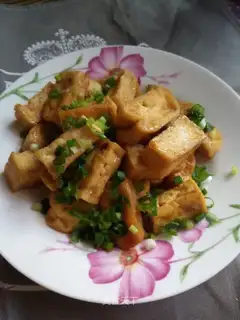
Tofu, also known as bean curd, is a versatile and nutrient-dense food that has been a staple in Asian cuisine for over 2,000 years. Made by coagulating soy milk and pressing the resulting curds into solid blocks, tofu is celebrated for its mild flavor, high protein content, and adaptability to various cooking methods. As plant-based diets gain global popularity, tofu has emerged as a cornerstone of healthy eating, offering a wealth of nutritional benefits while accommodating diverse culinary traditions. This article explores the nutritional profile of tofu, its health benefits, and important precautions to consider when incorporating it into a balanced diet.
Nutritional Value of Tofu
Tofu’s nutritional composition is a key reason for its widespread acclaim. Derived from soybeans, tofu retains many of the legume’s beneficial nutrients while offering a unique balance of macronutrients and micronutrients. A 100-gram serving of firm tofu typically contains:
- Protein: Approximately 10–17 grams of high-quality protein, making it an excellent plant-based source for muscle repair, immune function, and overall growth. Soy protein is complete, containing all nine essential amino acids that the body cannot produce independently.
- Fats: Around 5–10 grams of fat, predominantly heart-healthy unsaturated fats, including polyunsaturated fats like omega-3 and omega-6 fatty acids. Tofu is also low in saturated fat, with about 1–2 grams per serving, and cholesterol-free.
- Carbohydrates: Only 2–3 grams per serving, mostly fiber, which aids digestion and helps regulate blood sugar levels.
- Vitamins and Minerals: Tofu is rich in micronutrients such as calcium, iron, magnesium, phosphorus, and copper. It is often fortified with vitamin D and calcium, especially in Western markets, enhancing its bone-health benefits. Additionally, tofu contains B vitamins (e.g., riboflavin, vitamin B6) and folate, which support energy metabolism and cell function.
- Bioactive Compounds: Tofu isoflavones, particularly genistein and daidzein, are phytoestrogens with antioxidant and anti-inflammatory properties. These compounds are unique to soy and contribute significantly to tofu’s health-promoting effects.
The nutritional profile of tofu varies slightly based on its firmness—silken tofu contains more moisture and fewer calories, while firm or extra-firm tofu is higher in protein and minerals. Regardless of the type, tofu remains a nutrient-dense food that can complement a healthy diet.
Health Benefits of Tofu
Regular consumption of tofu has been linked to numerous health benefits, supported by scientific research and traditional use. These benefits span cardiovascular health, weight management, bone strength, and chronic disease prevention.
1. Supports Heart Health
Tofu is a heart-healthy food due to its low saturated fat content and high levels of unsaturated fats, fiber, and isoflavones. Studies show that replacing animal-based proteins with tofu can lower LDL (“bad”) cholesterol levels, reducing the risk of atherosclerosis and heart disease. The isoflavones in tofu improve endothelial function (the health of blood vessel linings) and reduce inflammation, further protecting cardiovascular health. A 2019 meta-analysis published in the Journal of Nutrition found that regular soy intake is associated with a 14% lower risk of coronary heart disease, with tofu being a significant contributor.
2. Aids in Weight Management
Tofu’s high protein and low-calorie content make it an ideal food for weight control. Protein increases satiety, helping to reduce overall calorie intake by curbing hunger and cravings. Additionally, tofu’s low glycemic index (GI) means it does not cause rapid spikes in blood sugar, which can lead to overeating. A 2020 study in Obesity Reviews noted that plant-based proteins, such as those in tofu, promote greater weight loss and fat reduction compared to animal proteins, particularly when combined with a calorie-controlled diet.
3. Promotes Bone Health
Tofu is an excellent source of calcium and vitamin D, both of which are critical for maintaining strong bones and preventing osteoporosis. Calcium provides the structural framework for bones, while vitamin D enhances calcium absorption in the gut. For individuals who are lactose intolerant or follow a vegan diet, tofu serves as a valuable alternative to dairy products. Some varieties of tofu are also fortified with magnesium and phosphorus, minerals that work synergistically with calcium to support bone density. Research suggests that regular soy intake may reduce bone resorption (the breakdown of bone tissue) in postmenopausal women, who are at a higher risk of osteoporosis due to declining estrogen levels.
4. Helps Regulate Blood Sugar Levels
Tofu’s low carbohydrate and high fiber content makes it beneficial for managing blood sugar levels. The fiber slows the absorption of sugar in the bloodstream, preventing sharp spikes in blood glucose after meals. This is particularly important for individuals with diabetes or insulin resistance. A 2017 study in the Journal of Medicinal Food found that tofu consumption improved glycemic control and reduced insulin resistance in type 2 diabetic patients. The isoflavones in tofu may also enhance insulin sensitivity, further supporting blood sugar regulation.
5. May Reduce the Risk of Certain Cancers
The isoflavones in tofu have been studied for their potential role in cancer prevention, particularly breast, prostate, and colorectal cancers. Genistein, a key isoflavone, inhibits the growth of cancer cells and prevents tumor angiogenesis (the formation of new blood vessels that feed tumors). Population-based studies suggest that populations with high soy intake, such as those in East Asia, have lower rates of hormone-related cancers. However, the relationship between soy and cancer is complex, and further research is needed to fully understand its effects. For now, moderate tofu consumption as part of a plant-rich diet is considered safe and potentially beneficial.
Precautions and Considerations
While tofu offers numerous health benefits, there are certain precautions to keep in mind to ensure safe and optimal consumption.
1. Moderation is Key
Excessive tofu consumption may lead to adverse effects, particularly due to its high isoflavone content. Isoflavones can mimic estrogen in the body, and while this is beneficial for some, it may pose risks for individuals with hormone-sensitive conditions, such as certain types of breast cancer or endometriosis. The American Institute for Cancer Cancer recommends consuming 1–2 servings of soy foods per day (equivalent to 2–5 grams of isoflavones) as part of a balanced diet. For most people, 3–4 servings of tofu per week is a safe and moderate amount.
2. Soy Allergies
Soy is one of the eight major food allergens, and individuals with soy allergies should avoid tofu. Symptoms of a soy allergy can range from mild (hives, itching) to severe (anaphylaxis). Those with known soy allergies should carefully read food labels, as tofu is often used in processed foods, including sauces, snacks, and meat substitutes.
3. Goitrogenic Effects
Tofu contains goitrogens, compounds that can interfere with thyroid function by inhibiting the uptake of iodine. While this is generally not a concern for individuals with healthy thyroid function, those with pre-existing thyroid conditions (e.g., hypothyroidism) should consume tofu in moderation. Cooking tofu reduces its goitrogenic activity, so steaming, boiling, or baking tofu is preferable to raw consumption for thyroid-sensitive individuals. Additionally, ensuring adequate iodine intake (through iodized salt or seaweed) can help mitigate these effects.
4. Phytates and Mineral Absorption
Tofu contains phytates, antinutrients that can bind to minerals like iron, zinc, and calcium, reducing their absorption. However, this effect is minimal for most people, especially when tofu is consumed as part of a varied diet. Soaking or fermenting tofu (e.g., in tempeh or miso) can reduce phytate levels and enhance mineral absorption. For individuals at risk of mineral deficiencies (e.g., vegetarians or those with anemia), pairing tofu with vitamin C-rich foods (e.g., bell peppers, citrus fruits) can improve iron absorption.
5. Quality and Additives
When purchasing tofu, opt for organic or non-GMO varieties to avoid pesticides and genetically modified soybeans. Some commercially produced tofu may contain additives such as calcium sulfate or magnesium chloride, which are used as coagulants. While these additives are generally safe, individuals with sensitivities should check ingredient labels. Additionally, choose tofu that is fresh and stored in water to maintain its texture and nutritional value.
Conclusion
Tofu is a nutritional powerhouse that offers a wide range of health benefits, from supporting heart health and weight management to promoting bone strength and blood sugar regulation. Its high protein content, low calorie count, and rich array of vitamins, minerals, and bioactive compounds make it an excellent addition to a balanced diet. However, like any food, tofu should be consumed in moderation, with consideration given to individual health conditions such as soy allergies, thyroid issues, or hormone sensitivity. By incorporating tofu into meals mindfully—whether stir-fried, grilled, blended into smoothies, or used as a meat substitute—individuals can harness its nutritional potential while enjoying its versatility in the kitchen. As plant-based eating continues to gain traction, tofu stands out as a timeless and accessible food that bridges tradition and modern wellness.