Introduction
In the diverse landscape of plant-based foods, few ingredients offer the unique combination of versatility, nutrition, and culinary adaptability quite like bean curd rolls—more commonly known as yuba or doupi in Chinese cuisine. Often referred to as "the skin of soy milk," bean curd rolls are formed when a film develops on the surface of heated soy milk, which is then carefully skimmed and dried. This humble byproduct of soybean processing has been a staple in Asian diets for centuries, prized for its delicate texture, mild flavor, and impressive nutrient profile. As global interest in plant-based proteins and whole foods grows, bean curd rolls have emerged as a nutritional powerhouse, celebrated for their role in promoting health, supporting sustainable diets, and enhancing culinary creations.
This article provides a detailed exploration of bean curd rolls, delving into their nutritional composition, evidence-based health benefits, and important precautions for consumption. By understanding the science behind this traditional ingredient, readers can make informed choices to incorporate it into a balanced diet, whether for its protein content, digestive benefits, or culinary appeal.
Nutritional Value of Bean Curd Rolls
Bean curd rolls are a nutrient-dense food, rich in high-quality protein, essential amino acids, healthy fats, vitamins, and minerals. Their nutritional profile is closely linked to their origin—soybeans—which are widely regarded as one of the most complete plant-based protein sources. Below is a breakdown of their key nutritional components:
1. High-Quality Protein
Protein is the building block of life, essential for muscle repair, immune function, and enzyme production. Bean curd rolls are an exceptional source of plant-based protein, containing all nine essential amino acids that the human body cannot synthesize independently. A 100-gram serving of dried bean curd rolls provides approximately 45–50 grams of protein, surpassing many other plant foods like lentils or chickpeas.
The protein in bean curd rolls is particularly rich in lysine and methionine, amino acids often lacking in grains. This makes it an excellent complement to cereal-based diets, enhancing overall protein quality. For vegetarians, vegans, or individuals looking to reduce animal product consumption, bean curd rolls offer a sustainable and ethical alternative to meat, dairy, or eggs.
2. Healthy Fats
While bean curd rolls are relatively low in fat (about 15–20 grams per 100 grams of dried product), the majority of this fat consists of heart-healthy unsaturated fats, including polyunsaturated fatty acids (PUFAs) and monounsaturated fats (MUFAs). These fats play a critical role in reducing LDL ("bad") cholesterol, improving HDL ("good") cholesterol, and supporting brain function.
Soybeans, the primary ingredient in bean curd rolls, also contain alpha-linolenic acid (ALA), an omega-3 fatty acid with anti-inflammatory properties. Though the body converts ALA to the more active forms of omega-3 (EPA and DHA) less efficiently than marine sources, regular consumption of bean curd rolls can contribute to an overall healthy fat intake, particularly for plant-based diets.
3. Vitamins and Minerals
Bean curd rolls are a good source of several essential vitamins and minerals, many of which are crucial for metabolic and physiological functions:
- B Vitamins: They are rich in riboflavin (B2), niacin (B3), and vitamin B12 (often fortified in commercial varieties). B vitamins are vital for energy production, red blood cell formation, and nervous system health.
- Vitamin E: A powerful antioxidant, vitamin E protects cells from oxidative damage caused by free radicals. Bean curd rolls contain moderate amounts of this vitamin, contributing to skin health and immune function.
- Minerals: Dried bean curd rolls provide significant amounts of iron, calcium, magnesium, and zinc. Iron is essential for oxygen transport in the blood, while calcium supports bone density. Magnesium plays a role in over 300 enzymatic reactions, including muscle and nerve function, and zinc is critical for immune response and wound healing.
4. Dietary Fiber and Low Glycemic Index
Bean curd rolls are a good source of dietary fiber, particularly soluble fiber, which aids in digestion, promotes satiety, and helps regulate blood sugar levels. With a glycemic index (GI) of approximately 15–20 (low GI), they release glucose slowly into the bloodstream, making them suitable for individuals with diabetes or those seeking to manage blood sugar.
Health Benefits of Bean Curd Rolls
Beyond their nutritional composition, bean curd rolls offer a range of health benefits supported by scientific research. From cardiovascular health to weight management, this versatile ingredient can play a valuable role in a healthy lifestyle.
1. Supports Cardiovascular Health
Soy-based foods like bean curd rolls are well-documented for their cardioprotective effects. The isoflavones in soy—genistein, daidzein, and glycitein—have been shown to reduce LDL cholesterol, inhibit arterial plaque formation, and improve blood vessel elasticity. A 2019 meta-analysis published in the Journal of the American Heart Association found that daily consumption of soy protein (equivalent to 25 grams of protein from soy) reduced LDL cholesterol by an average of 4–5%, a significant reduction for individuals at risk of heart disease.
Additionally, the unsaturated fats in bean curd rolls help lower triglycerides and reduce inflammation, further supporting heart health. For those with hypertension, the potassium content in bean curd rolls may help regulate blood pressure by balancing sodium levels.
2. Aids in Weight Management
As a low-calorie, high-protein, and high-fiber food, bean curd rolls can be an effective tool for weight management. Protein increases satiety, reducing overall calorie intake by curbing hunger pangs, while fiber slows digestion, prolonging feelings of fullness. A 2020 study in the Journal of Nutrition found that participants who incorporated soy protein into their diets lost more weight and body fat than those on a high-carbohydrate diet, even when calorie intake was matched.
Bean curd rolls are also low in fat (compared to animal proteins like beef or pork), making them an ideal choice for individuals looking to reduce calorie density without sacrificing protein. Their versatility in recipes—from stir-fries to salads—also makes it easy to include them in a varied, weight-loss-friendly diet.
3. Promotes Bone Health
Bone health is a critical concern, especially for older adults and postmenopausal women at risk of osteoporosis. Bean curd rolls are a notable source of calcium and vitamin D (when fortified), both of which are essential for bone density. Calcium provides the structural framework of bones, while vitamin D enhances calcium absorption in the intestines.
Soy isoflavones may also play a role in bone health by reducing bone resorption—the process by which the body breaks down bone tissue. A 2018 review in Osteoporosis International concluded that soy isoflavone supplementation (equivalent to 40–80 mg per day) significantly increased bone mineral density in postmenopausal women, particularly in the spine and femur.
4. Supports Digestive Health
The dietary fiber in bean curd rolls promotes a healthy gut by feeding beneficial gut bacteria (prebiotic effect) and preventing constipation. Soluble fiber forms a gel-like substance in the digestive tract, which softens stool and regulates bowel movements. For individuals with irritable bowel syndrome (IBS) or diverticulitis, the low FODMAP (fermentable oligosaccharides, disaccharides, monosaccharides, and polyols) content of bean curd rolls makes it a gentle, easily digestible option.
5. Antioxidant and Anti-Inflammatory Properties
Soy isoflavones and vitamin E in bean curd rolls act as antioxidants, neutralizing free radicals and reducing oxidative stress—a key driver of chronic diseases like cancer, diabetes, and neurodegenerative disorders. Genistein, in particular, has been studied for its anti-inflammatory effects, which may help alleviate symptoms of conditions like arthritis or asthma.
6. Hormonal Balance and Menopausal Symptom Relief
Soy isoflavones are phytoestrogens, plant compounds that structurally resemble estrogen and can bind to estrogen receptors in the body. This makes them beneficial for women experiencing menopausal symptoms, such as hot flashes, night sweats, and mood swings. A 2021 meta-analysis in Climacteric found that soy isoflavone supplementation (50 mg per day) reduced the frequency and severity of hot flashes by 26% in postmenopausal women.
It is important to note, however, that the effects of phytoestrogens vary by individual, depending on factors like gut microbiome composition and baseline estrogen levels. For women with hormone-sensitive conditions (e.g., breast cancer), consulting a healthcare provider before consuming large amounts of soy products is advisable.
Precautions and Potential Side Effects
While bean curd rolls are a nutritious and generally safe food for most people, certain precautions should be taken to ensure optimal health benefits:
1. Soy Allergies
Soy is one of the eight major food allergens, and individuals with soy allergies should strictly avoid bean curd rolls. Allergic reactions can range from mild (hives, itching) to severe (anaphylaxis, difficulty breathing). For those with a known soy allergy, alternative plant-based proteins like pea protein or lentils should be considered.
2. Phytoestrogen Sensitivity
As mentioned earlier, soy isoflavones have estrogen-like effects. While beneficial for many, individuals with hormone-sensitive conditions (e.g., breast, ovarian, or uterine cancer) should consult their healthcare provider before consuming large quantities of bean curd rolls. Limited evidence suggests that high doses of isoflavones may stimulate the growth of hormone-dependent tumors, though more research is needed.
3. Sodium Content in Processed Varieties
Commercially prepared bean curd rolls, especially dried or flavored varieties, may contain added sodium to enhance shelf life and taste. Excessive sodium intake is linked to high blood pressure and cardiovascular disease. To minimize sodium, opt for plain, unsalted bean curd rolls or prepare them at home using fresh soy milk.
4. Oxalate Content
Bean curd rolls contain oxalates, naturally occurring compounds that can contribute to kidney stone formation in susceptible individuals. Those with a history of calcium oxalate kidney stones should limit their intake and consult a healthcare provider or dietitian for personalized advice.
5. Nutrient Absorption Interference
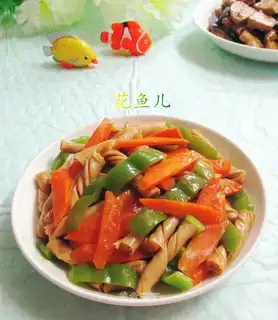
Soy contains phytates and tannins, compounds that can inhibit the absorption of certain minerals (e.g., iron, zinc, and calcium). While soaking or fermenting soybeans (as in the production of tempeh or miso) can reduce phytate levels, bean curd rolls—made from unfermented soy milk—may still contain these compounds. To enhance mineral absorption, pair bean curd rolls with vitamin C-rich foods (e.g., bell peppers, citrus fruits) or soak them before cooking.
Culinary Uses and Practical Tips
Incorporating bean curd rolls into a diet is easy, thanks to their mild flavor and versatile texture. Here are some practical tips for cooking and serving:
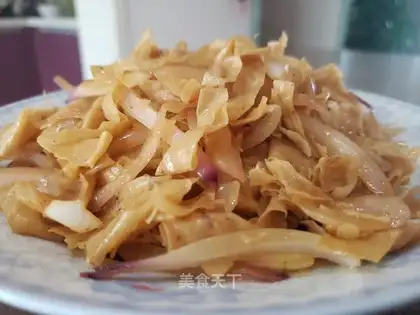
- Rehydration: Dried bean curd rolls need to be rehydrated before use. Soak them in warm water for 15–20 minutes until soft, then pat dry.
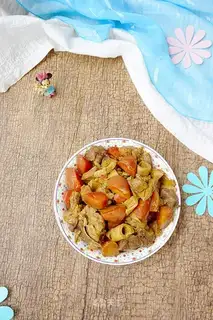
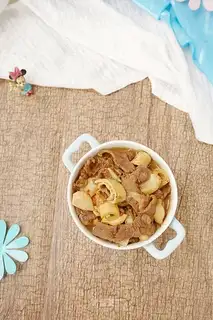
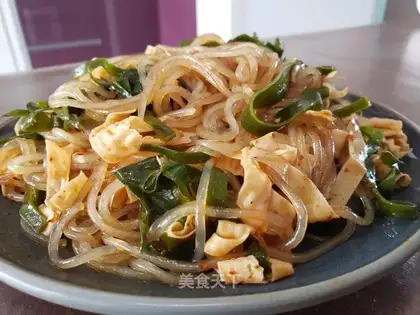
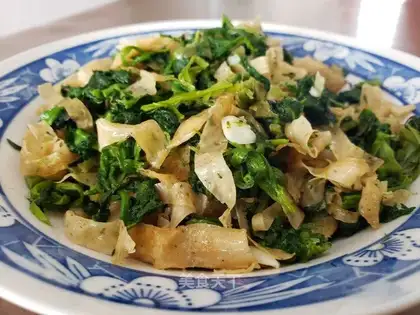
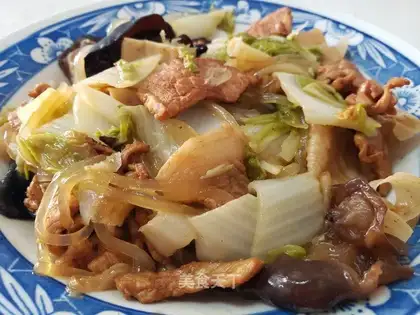
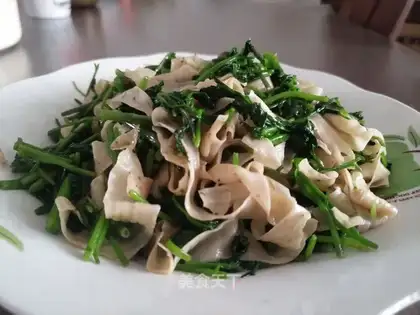
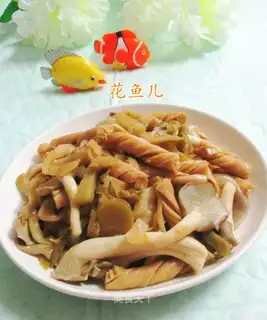
- Stir-fries and Soups: Sliced bean curd rolls absorb flavors well, making them ideal for stir-fries with vegetables, tofu, or meat. They also add protein and texture to soups and stews.
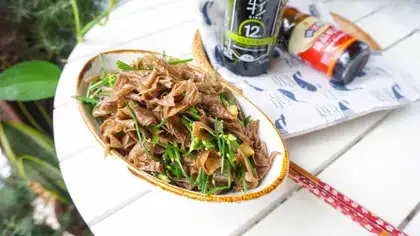
- Salads and Wraps: Rehydrated bean curd rolls can be torn into strips and added to salads or used as a wrap for fillings like hummus, veggies, or plant-based proteins.
- Desserts: In Asian cuisine, bean curd rolls are sometimes used in sweet dishes, such as red bean soup or sweet soups with ginger and rock sugar.
Conclusion
Bean curd rolls are a nutritional powerhouse, offering a rich profile of protein, healthy fats, vitamins, and minerals. Their health benefits—from cardiovascular support to weight management and bone health—make them a valuable addition to a balanced diet. While precautions such as soy allergies, phytoestrogen sensitivity, and sodium content should be considered, these can be easily managed with mindful consumption.
As interest in plant-based and sustainable foods continues to grow, bean curd rolls stand out as a versatile, nutrient-dense ingredient that bridges tradition and modern nutrition. Whether enjoyed in a savory stir-fry, a hearty soup, or a light salad, this humble soy product offers a delicious and healthy way to enhance overall well-being. By understanding its nutritional value and potential risks, individuals can harness the benefits of bean curd rolls while making informed choices for their health.