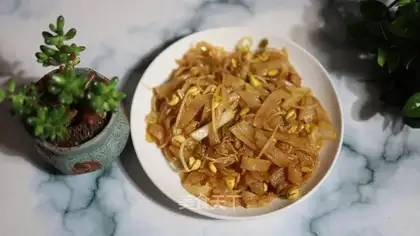
Sweet potato vermicelli, a traditional staple in East and Southeast Asian cuisines, has gained global popularity for its unique texture, versatility, and nutritional profile. Made from sweet potato starch, this translucent noodle is not only a culinary delight but also a functional food offering various health benefits. However, like all ingredients, it must be consumed mindfully to maximize its advantages and avoid potential risks. This article explores the nutritional value of sweet potato vermicelli, its health benefits, and important precautions for consumption.
Nutritional Value of Sweet Potato Vermicelli
Sweet potato vermicelli is primarily composed of starch, derived from the starchy tubers of sweet potato plants (Ipomoea batatas). Its nutritional composition, while relatively simple, offers several key nutrients that contribute to a balanced diet.
1. Carbohydrates and Energy
As a carbohydrate-rich food, sweet potato vermicelli is an excellent source of energy. A 100-gram serving of dried vermicelli contains approximately 80–85 grams of carbohydrates, which break down into glucose to fuel the body’s activities, including brain function and physical exercise. Unlike refined wheat noodles, sweet potato vermicelli is often free from gluten, making it a suitable alternative for individuals with celiac disease or gluten sensitivity.
2. Dietary Fiber
Though not as high in fiber as whole sweet potatoes, vermicelli retains a modest amount of dietary fiber, particularly when cooked. Fiber aids digestion, promotes satiety, and helps regulate blood sugar levels by slowing carbohydrate absorption. A 100-gram serving of cooked sweet potato vermicelli provides about 1–2 grams of fiber, contributing to daily fiber needs (recommended intake: 25–30 grams for adults).
3. Micronutrients
While not a significant source of vitamins or minerals, sweet potato vermicelli contains traces of essential nutrients:
- Potassium: Important for maintaining fluid balance, nerve function, and muscle contractions.
- Iron: Plays a role in oxygen transport and red blood cell production.
- Magnesium: Supports bone health, energy metabolism, and muscle relaxation.
- B Vitamins: Small amounts of niacin (B3) and riboflavin (B2) are present, which aid energy metabolism.
Notably, the nutritional value of sweet potato vermicelli can be enhanced when paired with nutrient-rich ingredients, such as vegetables, lean proteins, or soy-based sauces.
4. Low Fat and Protein
Sweet potato vermicelli is naturally low in fat (less than 0.5 grams per 100 grams) and protein (around 1–2 grams per 100 grams). While this makes it a light option, it should be complemented with protein sources (e.g., tofu, chicken, or legumes) to create a nutritionally balanced meal.
Health Benefits of Sweet Potato Vermicelli
Beyond its basic nutritional content, sweet potato vermicelli offers several health benefits, particularly when incorporated into a varied and balanced diet.
1. Supports Digestive Health
The dietary fiber in sweet potato vermicelli promotes healthy digestion by adding bulk to stool and supporting the growth of beneficial gut bacteria. Regular consumption may help prevent constipation and reduce the risk of digestive disorders like diverticulitis. Additionally, the starch in vermicelli acts as a prebiotic, feeding probiotics in the gut and improving overall gut microbiome balance.
2. Aids Weight Management
Due to its low calorie and high carbohydrate content (relative to portion size), sweet potato vermicelli can be a useful tool for weight management. The fiber and water content in cooked vermicelli increase satiety, helping to reduce overall calorie intake by curbing overeating. For example, a bowl of vegetable-based sweet potato vermicelli stir-fry can be filling yet low in calories, making it a suitable option for those aiming to lose or maintain weight.
3. Regulates Blood Sugar Levels
Despite being a carbohydrate-rich food, sweet potato vermicelli has a moderate glycemic index (GI), especially when cooked al dente and paired with fiber, protein, or healthy fats. This slow release of glucose into the bloodstream helps prevent sharp spikes in blood sugar levels, making it a better choice than high-GI noodles (e.g., white rice noodles) for individuals with diabetes or insulin resistance.
4. Gluten-Free Alternative
For people with celiac disease, non-celiac gluten sensitivity, or wheat allergies, sweet potato vermicelli provides a safe and delicious gluten-free alternative to wheat-based noodles. It can be used in place of pasta, rice noodles, or udon in various dishes, expanding culinary options for those on gluten-free diets.
5. Promotes Heart Health
While sweet potato vermicelli itself is low in fat, its inclusion in a heart-healthy diet—when combined with vegetables, lean proteins, and low-sodium sauces—can contribute to cardiovascular health. The fiber helps lower LDL (“bad”) cholesterol levels, and the absence of saturated fat reduces the risk of atherosclerosis. Additionally, potassium in vermicelli supports healthy blood pressure by counteracting the effects of sodium.
Precautions and Potential Side Effects
While sweet potato vermicelli is generally safe for most people, certain precautions should be taken to avoid adverse effects.
1. High in Carbohydrates
Although carbohydrates are essential for energy, excessive consumption of sweet potato vermicelli can lead to weight gain or elevated blood sugar levels, particularly in sedentary individuals or those with diabetes. It is important to practice portion control and balance vermicelli intake with fiber, protein, and healthy fats.
2. Sodium Content in Prepared Dishes
Many commercially available sweet potato vermicelli products, especially instant noodles or pre-seasoned varieties, are high in sodium due to added salt, soy sauce, or flavorings. High sodium intake is linked to hypertension and an increased risk of heart disease. To mitigate this, opt for plain vermicelli and use low-sodium broths or seasonings when cooking.
3. Additives and Processing
Some mass-produced sweet potato vermicelli may contain additives such as preservatives, thickeners, or artificial colors to improve texture or shelf life. While these additives are generally recognized as safe, individuals with sensitivities or those seeking a minimally processed diet should check ingredient lists and choose products with simple, natural ingredients.
4. Allergic Reactions
Although rare, some individuals may be allergic to sweet potato starch, experiencing symptoms such as itching, swelling, or digestive discomfort. Those with known sweet potato allergies should avoid vermicelli or consult a healthcare professional before consumption.
5. Not a Complete Protein Source
As a low-protein food, sweet potato vermicelli should not be relied upon as a primary protein source. Vegetarians and vegans should pair it with protein-rich foods like tofu, tempeh, beans, or lentils to meet daily protein requirements and support muscle maintenance and repair.
Conclusion
Sweet potato vermicelli is a nutritious, versatile, and gluten-free food that can be a valuable addition to a healthy diet. Its high carbohydrate content provides sustained energy, while its fiber, micronutrients, and low fat content support digestion, weight management, and heart health. However, mindful consumption is key: portion control, attention to sodium levels, and pairing with complementary ingredients can maximize its benefits and minimize risks. Whether in a hot stir-fry, a cold salad, or a hearty soup, sweet potato vermicelli offers a delicious way to enjoy both traditional flavors and modern health benefits. By understanding its nutritional value and taking necessary precautions, individuals can savor this staple as part of a balanced and wholesome lifestyle.