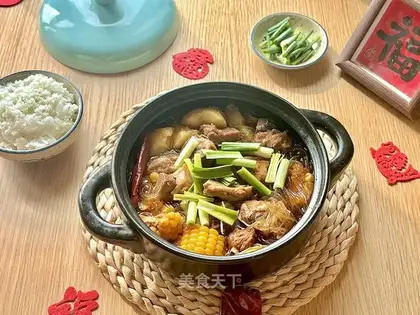
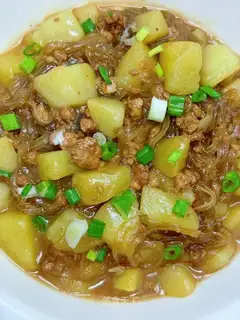
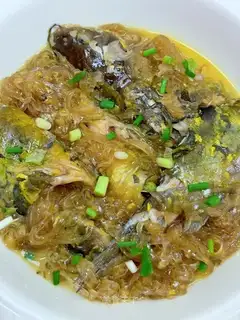
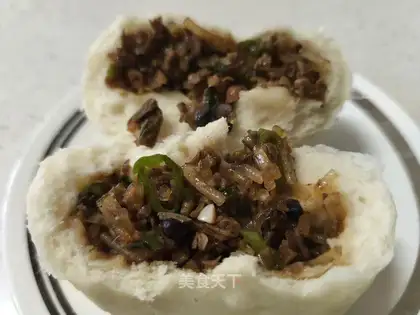
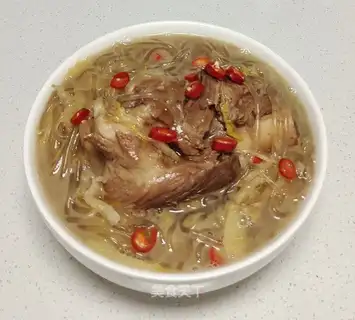
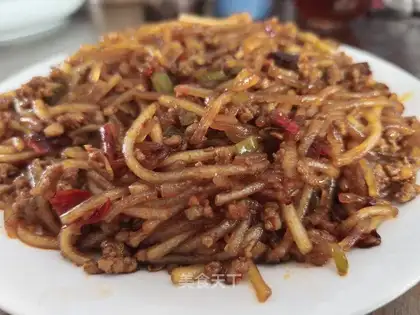
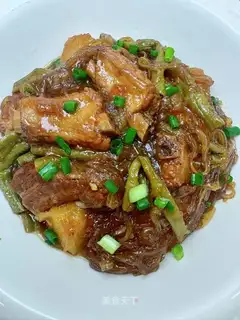
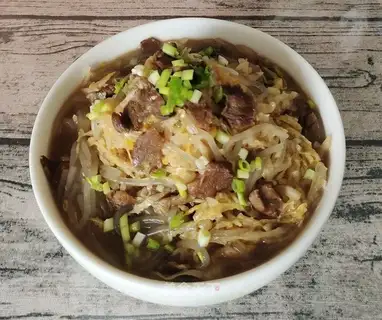
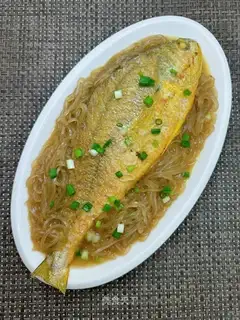
Vermicelli, a slender and versatile noodle made from starch, has been a staple in cuisines worldwide for centuries. From Asian stir-fries to Italian soups, its ability to absorb flavors and complement diverse dishes makes it a beloved ingredient. However, despite its popularity, many people overlook the nutritional nuances of vermicelli. This article explores the nutritional value of vermicelli, its health benefits, and important precautions to ensure safe and healthy consumption.
Nutritional Value of Vermicelli
The nutritional profile of vermicelli varies significantly depending on its primary ingredient—whether it is made from rice, mung beans, potatoes, sweet potatoes, or wheat. Generally, vermicelli is rich in carbohydrates but low in protein, fat, and fiber. Below is a breakdown of its key nutrients based on common types:
1. Carbohydrates
Vermicelli is primarily composed of carbohydrates, which serve as the body’s main source of energy. For example, 100 grams of dry rice vermicelli contains approximately 80-85 grams of carbohydrates, making it an excellent energy source for athletes or individuals with high physical activity levels. These carbs are mostly complex carbohydrates, which provide sustained energy and help maintain stable blood sugar levels when consumed in moderation.
2. Trace Minerals
Depending on the starch source, vermicelli can contain essential minerals:
- Mung bean vermicelli is rich in potassium, magnesium, and iron. Potassium supports heart health by regulating blood pressure, while magnesium aids muscle and nerve function. Iron is crucial for preventing anemia.
- Sweet potato vermicelli contains beta-carotene, a precursor to vitamin A, which is vital for vision, immune function, and skin health.
- Potato vermicelli provides small amounts of vitamin C and B vitamins, such as vitamin B6, which plays a role in metabolism and brain health.
3. Low in Fat and Protein
Most vermicelli varieties are naturally low in fat (typically <1 gram per 100 grams) and protein (2-5 grams per 100 grams). This makes them a suitable option for low-fat diets but less ideal as a standalone protein source. To balance meals, pairing vermicelli with protein-rich foods like tofu, lean meat, or legumes is recommended.
4. Fiber Content
Plain vermicelli is low in dietary fiber (1-2 grams per 100 grams), but whole-grain or vegetable-based vermicelli (e.g., spinach or carrot vermicelli) may contain slightly more fiber. Fiber aids digestion, promotes satiety, and helps regulate bowel movements. However, individuals with digestive sensitivities should opt for plain vermicelli to avoid discomfort.
Health Benefits of Vermicelli
When consumed as part of a balanced diet, vermicelli offers several health benefits:
1. Energy Boost
The high carbohydrate content in vermicelli makes it an efficient energy source. Carbohydrates are broken down into glucose, which fuels the brain, muscles, and organs. For instance, a bowl of vermicelli soup can replenish energy quickly, making it a popular choice for post-workout meals or during cold weather.
2. Digestive Support
While plain vermicelli is low in fiber, it is easy to digest, making it suitable for individuals with digestive issues, such as diarrhea or bloating. In traditional medicine, vermicelli is often recommended for convalescents or those with weak digestion, as it places minimal strain on the stomach. Additionally, when cooked with broth and vegetables, vermicelli can contribute to overall hydration and nutrient intake, supporting gut health.
3. Weight Management (in Moderation)
Vermicelli’s low calorie density (approximately 350-400 calories per 100 grams of dry vermicelli) and ability to absorb liquid can promote satiety, helping to control portion sizes. However, its high carbohydrate content means excessive consumption may lead to weight gain. Pairing vermicelli with fiber-rich vegetables, lean proteins, and healthy fats can create a balanced meal that supports weight management goals.
4. Gluten-Free Options
For individuals with celiac disease or gluten sensitivity, rice, mung bean, or sweet potato vermicelli are excellent gluten-free alternatives to wheat-based noodles. These varieties provide the same culinary satisfaction without triggering adverse reactions like bloating or inflammation.
5. Nutrient Enhancement with Add-ins
Vermicelli’s neutral flavor makes it a versatile base for nutrient-dense ingredients. Adding vegetables (e.g., broccoli, carrots, bell peppers), proteins (e.g., chicken, shrimp, tempeh), and healthy fats (e.g., sesame oil, avocado) can significantly enhance its nutritional value. For example, a vermicelli salad with mung bean noodles, spinach, and grilled chicken provides protein, iron, vitamins, and fiber.
Precautions and Potential Risks
While vermicelli is generally safe for consumption, certain precautions must be taken to avoid health issues:
1. High Sodium in Instant Vermicelli
Many instant vermicelli products are high in sodium due to flavoring packets. Excessive sodium intake is linked to hypertension and cardiovascular disease. To mitigate this, rinse cooked vermicelli, use low-sodium broth, or prepare it with fresh herbs and spices instead of pre-packaged seasonings.
2. Glycemic Index Considerations
Vermicelli made from refined starches (e.g., white rice or potato) has a high glycemic index (GI), meaning it can cause rapid spikes in blood sugar. Individuals with diabetes or insulin resistance should opt for whole-grain or vegetable-based vermicelli (e.g., buckwheat or carrot vermicelli) and pair them with protein and fiber to slow glucose absorption.
3. Overconsumption of Carbohydrates
A diet overly reliant on vermicelli may lead to excessive carbohydrate intake, increasing the risk of weight gain and metabolic disorders. Balance meals by incorporating vegetables, lean proteins, and healthy fats, and practice portion control (e.g., 1/2 to 1 cup of dry vermicelli per serving).
4. Additives and Preservatives
Some commercially produced vermicelli contains additives like artificial colors, thickeners, or preservatives to improve texture and shelf life. While these are generally recognized as safe, individuals with allergies or sensitivities should check ingredient lists and choose products with minimal additives.
5. Food Safety and Cooking Practices
Improper cooking or storage of vermicelli can lead to foodborne illnesses. Always cook vermicelli according to package instructions until soft and tender, and avoid leaving it at room temperature for extended periods. Refrigerate leftover vermicelli within two hours and consume within 2-3 days.
Conclusion
Vermicelli is a versatile and affordable ingredient that can be part of a healthy diet when consumed mindfully. Its high carbohydrate content provides energy, while certain varieties offer essential minerals and gluten-free options. However, to maximize its benefits, it is important to choose low-sodium products, balance meals with nutrient-dense add-ins, and practice moderation. By understanding its nutritional value and precautions, individuals can enjoy vermicelli as a delicious and wholesome component of their daily diet.
Incorporating vermicelli into a balanced diet—paired with vegetables, lean proteins, and healthy fats—can contribute to sustained energy, digestive health, and overall well-being. Whether in a steaming bowl of soup, a refreshing salad, or a stir-fry, vermicelli remains a timeless and adaptable staple that bridges culinary traditions and nutritional needs.