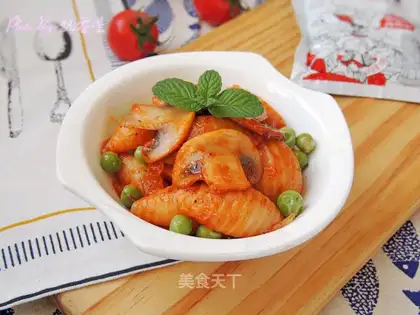
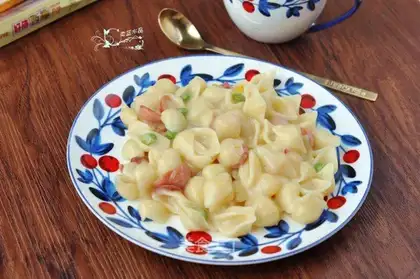
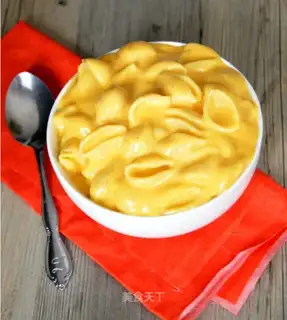
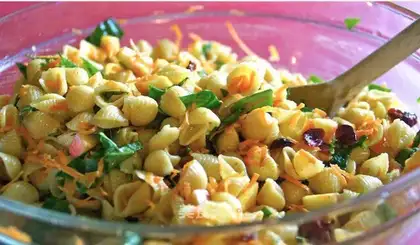
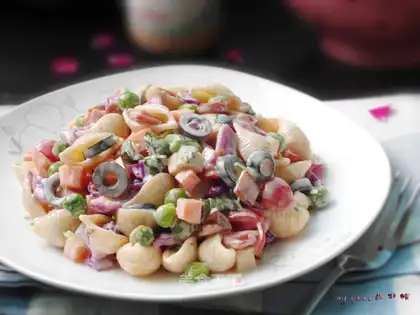
Pasta, a cornerstone of Mediterranean and global cuisine, comes in countless shapes and sizes, each designed to complement specific sauces and textures. Among the most beloved and visually striking varieties is conchiglie—Italian for "shells," named for their distinctive seashell-like form. While often celebrated for its ability to trap hearty sauces, conchiglie is more than just a vehicle for flavor; it is a nutrient-rich food that offers surprising health benefits, alongside important considerations for safe consumption. This article explores the nutritional profile of conchiglie pasta, its health-promoting properties, and key dietary precautions to help you enjoy this versatile ingredient mindfully.
I. Nutritional Profile of Conchiglie Pasta
Conchiglie pasta is typically made from durum wheat semolina, a hard variety of wheat prized for its high protein content and ability to hold shape during cooking. Unlike refined pasta, which is stripped of its bran and germ, whole-grain conchiglie retains these nutrient-dense components, making it a nutritional standout. A 100-gram (about 1 cup cooked) serving of whole-grain conchiglie contains approximately:
- Carbohydrates: 45–50 grams, primarily complex carbohydrates that provide sustained energy. These carbs are digested slowly, preventing blood sugar spikes and promoting satiety.
- Dietary Fiber: 6–8 grams—over 20% of the daily recommended intake—thanks to the bran and germ. Fiber supports digestive health, lowers cholesterol, and feeds beneficial gut bacteria.
- Protein: 8–10 grams, making it a valuable plant-based protein source, especially when paired with legumes, nuts, or lean meats.
- B Vitamins: Rich in thiamin (B1), riboflavin (B2), niacin (B3), and folate (B9). These vitamins play critical roles in energy metabolism, brain function, and cell growth. Folate is particularly important during pregnancy for preventing neural tube defects.
- Minerals: A good source of magnesium (25% of daily needs), which supports muscle and nerve function, and iron (10–15% of daily needs), essential for oxygen transport in the blood. Whole-grain conchiglie also provides zinc, selenium, and manganese, which act as antioxidants and support immune health.
- Low Fat: Naturally low in fat (less than 1 gram per serving), though this can increase if prepared with creamy sauces or added oils.
For those following gluten-free diets, conchiglie made from alternatives like brown rice, quinoa, or legume flour is widely available. These versions offer similar fiber and protein content but may lack the gluten that gives traditional pasta its al dente texture.
II. Health Benefits of Conchiglie Pasta
Beyond its basic nutrients, conchiglie pasta contributes to overall health in several key ways, particularly when consumed as part of a balanced diet.
1. Supports Digestive Health
The high fiber content in whole-grain conchiglie is a major digestive boon. Fiber adds bulk to stool, promoting regular bowel movements and preventing constipation. It also acts as a prebiotic, feeding beneficial gut bacteria like Bifidobacterium and Lactobacillus, which are linked to improved immunity, reduced inflammation, and lower risk of colorectal cancer. A 2019 study in The Lancet found that people who consumed the most fiber (25–30 grams per day) had a 16–24% lower risk of cardiovascular disease, stroke, and type 2 diabetes compared to those who ate the least.
2. Regulates Blood Sugar and Reduces Diabetes Risk
Complex carbohydrates in whole-grain conchiglie are digested slowly, releasing glucose into the bloodstream gradually. This prevents rapid spikes in blood sugar and insulin levels, making it a smart choice for people with diabetes or those at risk. A 2020 review in Diabetes Care concluded that replacing refined grains with whole grains could lower the risk of type 2 diabetes by 16–30%. The magnesium in conchiglie further enhances blood sugar control by improving insulin sensitivity.
3. Promotes Heart Health
Whole-grain conchiglie supports cardiovascular health in multiple ways. Its fiber helps lower LDL ("bad") cholesterol by binding to it in the digestive system and removing it from the body. The B vitamins (particularly folate and B6) reduce levels of homocysteine, an amino acid linked to heart disease when elevated. Magnesium and potassium, meanwhile, help regulate blood pressure by relaxing blood vessels. A Harvard study of over 100,000 adults found that those who ate at least two servings of whole grains daily had a 21% lower risk of heart disease than those who rarely ate whole grains.
4. Enhances Satiety and Weight Management
Thanks to its fiber and protein content, conchiglie is highly satiating, meaning it keeps you feeling full longer than refined grains. This can help reduce overall calorie intake, aiding in weight loss or maintenance. A 2013 study in The American Journal of Clinical Nutrition found that participants who ate whole-grain pasta consumed fewer calories at subsequent meals compared to those who ate refined pasta. Additionally, the slow release of energy from complex carbs stabilizes hunger hormones like ghrelin and leptin, reducing cravings for unhealthy snacks.
5. Boosts Energy and Athletic Performance
Carbohydrates are the body’s primary source of energy, making conchiglie an ideal food for athletes and active individuals. The slow-digesting carbs in whole-grain conchiglie provide a steady supply of glucose to muscles, delaying fatigue and improving endurance. A 2017 study in the Journal of Sports Sciences found that cyclists who consumed whole-grain pasta before a time trial performed 10% better than those who ate refined pasta. The B vitamins in conchiglie also play a key role in converting food into energy, supporting optimal physical performance.
III. Precautions and Considerations for Consumption
While conchiglie pasta is a healthy choice for most people, there are important precautions to keep in mind to maximize its benefits and avoid adverse effects.
1. Gluten Sensitivity and Celiac Disease
Traditional conchiglie made from durum wheat contains gluten, a protein that triggers an immune response in people with celiac disease or non-celiac gluten sensitivity (NCGS). For these individuals, gluten consumption can cause symptoms like bloating, diarrhea, abdominal pain, and long-term complications such as nutrient malabsorption and intestinal damage. Solution: Opt for certified gluten-free conchiglie made from rice, quinoa, corn, or legumes, and ensure cross-contamination is avoided during cooking.
2. Portion Control and Calorie Density
While whole-grain conchiglie is nutrient-dense, portion size matters. A typical serving of pasta (1 cup cooked) contains 150–200 calories, but it’s easy to overconsume, especially when paired with high-calorie sauces like Alfredo or pesto. Solution: Stick to 1–2 servings per meal and balance with lean protein (e.g., grilled chicken, beans) and non-starchy vegetables (e.g., spinach, broccoli) to create a well-rounded, low-calorie meal.
3. Sodium in Sauces and Additives
Many commercial pasta sauces and boxed conchiglie products are high in sodium, which can contribute to high blood pressure and cardiovascular issues. A single serving of marinara sauce may contain 400–800 mg of sodium (17–35% of the daily limit of 2,300 mg). Solution: Make sauces at home using fresh tomatoes, herbs, and minimal salt, or choose low-sodium brands. Avoid adding excessive cheese or processed meats like salami, which are also high in sodium.
4. Allergies and Cross-Contamination
While rare, some people may be allergic to wheat or other grains used in conchiglie. Additionally, gluten-free pasta varieties (e.g., those made from soy or nuts) may pose risks for individuals with specific allergies. Solution: Always check ingredient labels and choose products certified free from allergens. For those with severe allergies, prepare pasta at home to avoid cross-contamination in commercial kitchens.
5. Balancing Macronutrients
Conchiglie is primarily a carbohydrate source, so it’s important to balance it with adequate protein and healthy fats to maximize satiety and nutrient absorption. For example, pairing conchiglie with grilled fish (protein) and olive oil (healthy fat) creates a nutritionally complete meal that stabilizes blood sugar and keeps you full longer.
IV. Creative Ways to Incorporate Conchiglie into a Healthy Diet
To reap the benefits of conchiglie while minimizing risks, focus on whole-grain or gluten-free varieties and pair them with nutrient-dense ingredients:
- Light Sauces: Use olive oil, garlic, and fresh herbs (e.g., basil, oregano) for a simple, flavorful sauce. Add cherry tomatoes, spinach, or zucchini for extra fiber and vitamins.
- Protein Boost: Toss conchiglie with chickpeas, lentils, grilled shrimp, or tofu for a high-protein, plant-based meal.
- Cold Pasta Salads: Mix cooked conchiglie with diced vegetables (bell peppers, cucumbers), olives, feta cheese, and a lemon-herb vinaigrette for a refreshing, low-calorie dish.
- Soups and Stews: Add conchiglie to vegetable or minestrone soups, where it absorbs flavors and adds bulk without excessive calories.
Conclusion
Conchiglie pasta is far more than a comforting staple—it’s a nutritional powerhouse that supports digestive health, heart function, weight management, and energy levels. By choosing whole-grain or gluten-free varieties, controlling portions, and pairing it with wholesome ingredients, you can enjoy this versatile pasta as part of a balanced, healthy diet. Whether tossed with a simple tomato sauce or mixed into a hearty salad, conchiglie proves that delicious food and good health can go hand in hand. As with any food, mindfulness is key: savor each bite, and let conchiglie be a celebration of both flavor and wellness.