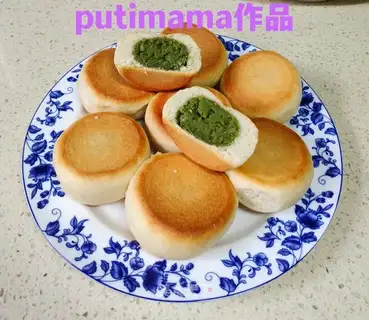
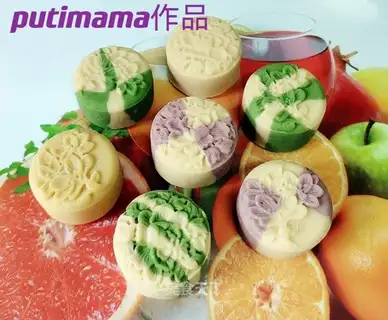
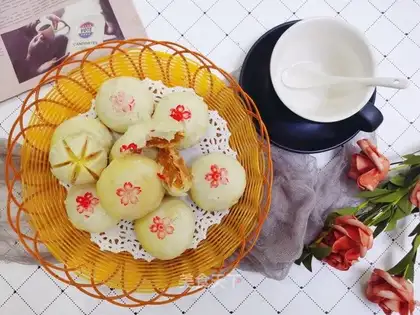
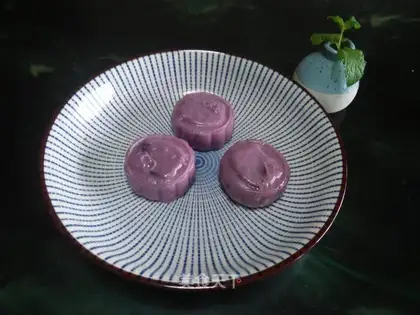
Mung bean paste, a humble yet versatile ingredient in cuisines across Asia, has long been cherished not only for its delicate flavor and smooth texture but also for its remarkable nutritional and medicinal properties. Derived from mung beans (Vigna radiata), a legume native to the Indian subcontinent and cultivated for over 4,000 years, mung bean paste is made by boiling, peeling, and mashing mung beans, often with sugar or other ingredients for sweet dishes. In traditional Chinese medicine (TCM) and modern nutrition science, it is celebrated as a "superfood" that balances taste and wellness. This article explores the nutritional profile of mung bean paste, its diverse health benefits, and important precautions for consumption, offering a comprehensive guide to incorporating this ingredient into a healthy diet.
Nutritional Value of Mung Bean Paste
Mung bean paste is a nutrient-dense food, rich in essential vitamins, minerals, plant-based protein, and dietary fiber. Its nutritional composition makes it a valuable addition to both sweet and savory dishes, catering to various dietary needs.
1. High-Quality Plant Protein
Mung beans are an excellent source of plant-based protein, containing approximately 20-25% protein by weight. When processed into paste, this protein becomes more bioavailable, meaning the body can easily absorb and utilize it. Protein is vital for muscle repair, immune function, and enzyme production. For vegetarians, vegans, or individuals looking to reduce animal product intake, mung bean paste serves as a sustainable alternative to meat or dairy-based proteins.
2. Abundant Dietary Fiber
A 100-gram serving of mung bean paste (unsweetened) provides about 8-10 grams of dietary fiber, meeting 30-40% of the daily recommended intake. Fiber is crucial for digestive health, as it promotes regular bowel movements, prevents constipation, and supports the growth of beneficial gut bacteria. Additionally, soluble fiber in mung bean paste helps lower LDL ("bad") cholesterol levels, reducing the risk of cardiovascular disease.
3. Essential Vitamins and Minerals
Mung bean paste is packed with micronutrients that play key roles in bodily functions:
- Folate (Vitamin B9): Critical for DNA synthesis, cell division, and fetal development. A 100-gram serving contains around 80-100 micrograms of folate, making it beneficial for pregnant women.
- Iron: Essential for oxygen transport in the blood and preventing anemia. Mung bean paste provides non-heme iron, which is better absorbed when consumed with vitamin C-rich foods (e.g., fruits or vegetables).
- Magnesium: Supports muscle and nerve function, regulates blood pressure, and maintains bone health. Mung bean paste is a good source of magnesium, with approximately 50-60 milligrams per 100 grams.
- Potassium: Helps balance fluids in the body, control blood pressure, and support heart health. A 100-gram serving contains 300-400 milligrams of potassium.
- Vitamin C: Though present in smaller amounts, vitamin C in mung bean paste enhances iron absorption and boosts immune function.
4. Low in Fat and Calories
Unsweetened mung bean paste is naturally low in fat (containing less than 1 gram of fat per 100 grams) and calories (around 90-100 calories per 100 grams). This makes it an ideal choice for weight management, as it provides nutrients without adding excessive calories or unhealthy fats.
Health Benefits of Mung Bean Paste
Beyond its nutritional content, mung bean paste offers a range of health benefits, supported by both traditional wisdom and modern scientific research.
1. Detoxification and Liver Health
In TCM, mung beans are considered "cooling" and are used to detoxify the body, particularly the liver. Mung bean paste is believed to help neutralize toxins, reduce heatiness (a concept in TCM referring to excess internal heat), and alleviate symptoms like acne, sore throat, and inflammation. Modern studies suggest that mung beans contain compounds such as flavonoids and phenolic acids, which have antioxidant and anti-inflammatory properties. These compounds help protect liver cells from damage caused by free radicals and toxins, supporting overall liver function.
2. Blood Sugar Regulation
Mung bean paste has a low glycemic index (GI) of approximately 40-50, meaning it causes a gradual rise in blood sugar levels rather than a spike. This is due to its high fiber and protein content, which slow down carbohydrate digestion and absorption. For individuals with diabetes or those at risk of developing the condition, incorporating mung bean paste into meals can help improve insulin sensitivity and maintain stable blood sugar levels. A 2017 study published in the Journal of Medicinal Food found that mung bean extract significantly reduced blood glucose levels in diabetic rats, highlighting its potential as a natural anti-diabetic food.
3. Heart Health
The fiber, potassium, and magnesium in mung bean paste contribute to cardiovascular health. Soluble fiber binds to cholesterol in the digestive system, preventing its absorption into the bloodstream, thereby lowering LDL cholesterol. Potassium helps relax blood vessels and reduce blood pressure, while magnesium supports proper heart rhythm. Additionally, mung bean paste is rich in antioxidants like vitamin C and flavonoids, which protect LDL cholesterol from oxidation—a key process in the development of atherosclerosis (hardening of the arteries).
4. Weight Management
As a low-calorie, high-fiber, and high-protein food, mung bean paste can aid in weight loss and maintenance. Fiber promotes satiety, reducing hunger and preventing overeating, while protein helps preserve muscle mass during calorie restriction. A 2020 study in the European Journal of Nutrition found that participants who consumed legume-based meals (including mung beans) experienced greater weight loss and improved waist circumference compared to those on a legume-free diet. Mung bean paste can be used as a healthy substitute for higher-calorie ingredients like butter or cream in desserts, reducing overall calorie intake without compromising taste.
5. Skin and Anti-Aging Benefits
Mung bean paste is a popular ingredient in skincare products and traditional remedies for its anti-aging and skin-soothing properties. Its high antioxidant content helps combat oxidative stress, a major cause of skin aging, by neutralizing free radicals that damage collagen and elastin fibers. In TCM, mung bean paste is applied topically to reduce inflammation, treat acne, and brighten the skin. When consumed, its vitamin C content supports collagen production, promoting firm and youthful skin.
6. Digestive Health
The fiber in mung bean paste acts as a prebiotic, feeding beneficial gut bacteria like Lactobacillus and Bifidobacterium. A healthy gut microbiome is essential for digestion, nutrient absorption, and immune function. Additionally, mung bean paste’s cooling properties in TCM are believed to alleviate digestive disorders like indigestion and bloating, particularly when caused by spicy or greasy foods.
Precautions and Potential Side Effects
While mung bean paste offers numerous health benefits, it is important to consume it in moderation and be aware of potential risks, especially for certain individuals.
1. Anti-Nutrients
Mung beans, like other legumes, contain anti-nutrients such as phytic acid and tannins, which can interfere with the absorption of minerals like iron, zinc, and calcium. Soaking mung beans for several hours before cooking and discarding the soaking water can reduce anti-nutrient levels by 50-80%. Additionally, cooking mung beans thoroughly (as done in paste preparation) further minimizes these compounds, making the nutrients more bioavailable.
2. Blood Sugar Concerns for Diabetics
Although mung bean paste has a low GI, individuals with diabetes should still monitor their intake, especially if the paste is sweetened with sugar or honey. Sweetened mung bean paste can significantly increase its glycemic load, leading to blood sugar spikes. Opting for unsweetened mung bean paste and pairing it with protein or healthy fats (e.g., nuts or seeds) can help stabilize blood sugar levels.
3. Digestive Discomfort
The high fiber content in mung bean paste may cause digestive issues like bloating, gas, or diarrhea in some individuals, particularly those with irritable bowel syndrome (IBS) or a sensitive digestive system. To avoid this, start with small amounts (e.g., 1-2 tablespoons) and gradually increase intake over time. Cooking mung bean paste with digestive spices like ginger or cardamom can also help alleviate discomfort.
4. Allergic Reactions
While rare, some people may be allergic to mung beans, experiencing symptoms like itching, hives, or swelling. Individuals with a known legume allergy (e.g., peanuts or soybeans) should exercise caution and consult a healthcare provider before consuming mung bean paste.
5. Interaction with Medications
Mung bean paste may interact with certain medications, particularly blood thinners (e.g., warfarin) due to its vitamin K content. Vitamin K plays a role in blood clotting, and sudden changes in its intake can affect the efficacy of blood thinners. Individuals taking such medications should maintain consistent vitamin K intake and consult their doctor before adding mung bean paste to their diet.
6. Pregnancy and Breastfeeding
Mung bean paste is generally safe for pregnant and breastfeeding women when consumed in moderation, as it provides folate and other essential nutrients. However, excessive intake may cause digestive discomfort. Pregnant women with gestational diabetes should opt for unsweetened versions and monitor blood sugar levels.
Conclusion
Mung bean paste is a nutritional powerhouse that offers a wide range of health benefits, from supporting heart and digestive health to aiding in weight management and detoxification. Its rich content of plant protein, fiber, vitamins, and minerals makes it a valuable ingredient for people of all ages, particularly those seeking plant-based or low-calorie food options. However, like any food, it should be consumed mindfully, with attention to potential anti-nutrients, blood sugar effects, and individual sensitivities.
By incorporating unsweetened mung bean paste into a balanced diet—whether in traditional desserts like tangyuan (sweet dumplings), savory dishes like dou sha bing (mung bean cake), or as a spread for toast—individuals can enjoy its delicious taste while reaping its numerous health benefits. As with any dietary change, moderation and awareness are key to maximizing the advantages of this ancient yet modern superfood.