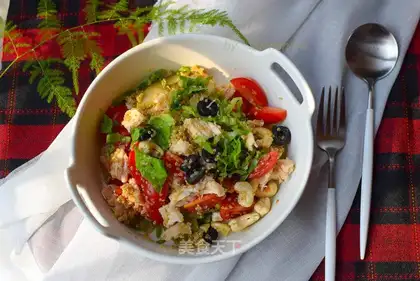
Olives, a cornerstone of Mediterranean cuisine, have been cherished for millennia for their rich flavor and versatility. Among the various varieties, black olives stand out not only for their distinctive taste but also for their impressive nutritional profile and health-promoting properties. These small, fruits—yes, olives are technically fruits—are packed with healthy fats, antioxidants, and essential nutrients that contribute to overall well-being. However, like all foods, they must be consumed in moderation and with awareness of potential risks. This article explores the nutritional value of black olives, their health benefits, culinary applications, and important precautions to consider.
I. Nutritional Value of Black Olives
Black olives (Olea europaea) are the mature stage of olives, typically harvested when fully ripe, giving them their dark color and soft, buttery texture. Unlike green olives, which are picked unripe, black olives undergo a longer ripening process, which enhances their nutritional composition. A 100-gram serving of canned black olives (brine-cured) contains approximately:
- Calories: 115–145 kcal
- Fat: 10–15 grams, of which 75% is monounsaturated fat (primarily oleic acid, the same heart-healthy fat found in olive oil).
- Carbohydrates: 3–6 grams (mostly fiber and natural sugars).
- Protein: 0.5–1 gram.
- Fiber: 1.6–3 grams (aiding digestion and promoting satiety).
- Vitamins and Minerals:
- Vitamin E: A potent antioxidant (1.4–4 mg per 100g), crucial for skin health and immune function.
- Iron: 0.5–1 mg (6–12% of the Daily Value, DV), supporting oxygen transport and energy production.
- Copper: 0.1–0.3 mg (11–33% DV), essential for iron metabolism and antioxidant defense.
- Calcium: 50–100 mg (5–10% DV), important for bone health.
- Sodium: 300–600 mg (13–26% DV), due to brine-curing (a key consideration for those monitoring salt intake).
Key Nutrients: Oleic Acid and Polyphenols
The most notable nutrient in black olives is oleic acid, a monounsaturated fatty acid that has been extensively studied for its anti-inflammatory and cardiovascular benefits. Additionally, black olives are rich in polyphenols—plant compounds like hydroxytyrosol, oleuropein, and tyrosol—which act as antioxidants, protecting cells from oxidative stress. These polyphenols are also responsible for olives’ slightly bitter, complex flavor and contribute to their long shelf life.
II. Health Benefits of Black Olives
Incorporating black olives into a balanced diet can offer a range of health benefits, backed by scientific research.
1. Supports Heart Health
The monounsaturated fats in black olives help lower LDL (“bad”) cholesterol while increasing HDL (“good”) cholesterol, reducing the risk of atherosclerosis (hardening of the arteries). A 2019 study in the Journal of the American Heart Association found that diets rich in olive oil and olives were associated with a 30% lower risk of cardiovascular disease. The polyphenols in olives also reduce inflammation and improve blood vessel function, further protecting the heart.
2. Rich in Antioxidants, Combating Oxidative Stress
Black olives are a powerhouse of antioxidants, particularly hydroxytyrosol and oleuropein, which neutralize free radicals—unstable molecules that damage cells and contribute to aging and chronic diseases like cancer and diabetes. A 2020 review in Antioxidants highlighted that these compounds reduce oxidative stress markers in the body, potentially lowering the risk of neurodegenerative conditions (e.g., Alzheimer’s) and certain cancers.
3. Aids Digestive Health
With 1.6–3 grams of fiber per 100 grams, black olives promote healthy digestion by adding bulk to stool and supporting regular bowel movements. Fiber also acts as a prebiotic, feeding beneficial gut bacteria and improving gut microbiome balance. A healthy gut microbiome is linked to better immunity, mood regulation, and even weight management.
4. Regulates Blood Sugar Levels
The monounsaturated fats and fiber in black olives help slow down the absorption of sugar into the bloodstream, preventing sharp spikes in blood glucose. This makes them a smart choice for individuals with diabetes or those at risk of developing the condition. A 2018 study in Diabetes Care found that diets high in olive products improved insulin sensitivity and glycemic control.
5. Enhances Brain Health
The polyphenols in black olives have neuroprotective effects, potentially reducing the risk of cognitive decline. Oleuropein, for example, has been shown to improve memory and learning in animal models by reducing inflammation and oxidative stress in the brain. Additionally, healthy fats support the structure of brain cell membranes, ensuring optimal communication between neurons.
6. Boosts Immune Function
Black olives contain vitamin E, iron, and copper, all of which play vital roles in immune health. Vitamin E protects immune cells from damage, while iron supports the production of white blood cells, and copper aids in antioxidant defense. A strong immune system is better equipped to fight infections and illnesses.
III. Culinary Uses and Versatility
Beyond their health benefits, black olives are a culinary staple, adding flavor, texture, and depth to a wide variety of dishes.
1. Mediterranean and Global Cuisines
Black olives are a cornerstone of Mediterranean dishes, such as Greek salads, tapas, pasta puttanesca, and Moroccan tagines. Their briny, slightly sweet pairs well with ingredients like feta cheese, tomatoes, garlic, and herbs (e.g., rosemary, thyme). They are also used in non-Mediterranean cuisines: in Mexican salsa, pizza toppings, and even as a garnish for cocktails like the martini.
2. Cooking and Preparation Tips
- Brine-Cured vs. Dry-Cured: Brine-cured black olives (the most common type) are soft and salty, ideal for salads and pasta. Dry-cured olives (e.g., Kalamata) are firmer and more intense, perfect for charcuterie boards or marinating.
- Flavor Pairings: Combine black olives with citrus (lemon, orange), capers, anchovies, or balsamic vinegar for a savory, umami-rich flavor.
- Incorporation into Meals: Add chopped olives to omelets, grain bowls, or stuffings for a nutrient boost. Blend them into tapenades for a healthy spread on bread or crackers.
IV. Precautions and Potential Risks
While black olives are nutritious, they are not without potential drawbacks, particularly for certain individuals.
1. High Sodium Content
Brine-cured black olives are high in sodium, with 100 grams providing 13–26% of the DV. Excessive sodium intake can lead to high blood pressure, increasing the risk of heart disease and stroke. Tip: Rinse olives under water before eating to reduce sodium by up to 30%. Opt for “low-sodium” or “no-salt-added” varieties if available.
2. Allergies and Sensitivities
Olive allergies are rare but can cause symptoms like itching, hives, or swelling. Cross-reactivity with other fruits (e.g., peaches, apples) or pollen (e.g., olive tree pollen) may occur in sensitive individuals.
3. Interactions with Medications
The high vitamin K content in black olives (about 4–6 micrograms per 100 grams) may interact with blood thinners (e.g., warfarin). Vitamin K promotes blood clotting, so sudden changes in olive consumption can affect medication efficacy. Tip: Individuals on blood thinners should maintain consistent vitamin K intake and consult their doctor before making dietary changes.
4. Calorie Density
While black olives are nutrient-dense, they are also calorie-dense (due to their fat content). Overconsumption can lead to weight gain. Tip: Stick to a serving size of 5–10 olives (about 30–50 grams) per day to reap benefits without excess calories.
5. Additives in Commercial Olives
Some commercially processed olives contain additives like ferrous gluconate (to darken color) or potassium sorbate (a preservative). While generally safe, individuals with sensitivities should check labels for artificial ingredients.
V. Conclusion
Black olives are more than just a tasty garnish—they are a nutritional powerhouse offering heart-healthy fats, antioxidants, fiber, and essential minerals. Their versatility in culinary applications makes them an easy addition to a balanced diet, supporting everything from digestive health to brain function. However, moderation is key: be mindful of sodium content, potential allergens, and interactions with medications. By incorporating black olives wisely, you can enjoy their rich flavor while enhancing your overall well-being—a true testament to the wisdom of Mediterranean eating traditions.
In a world where processed foods dominate, black olives remind us of the simple, natural foods that nourish the body and delight the palate. Whether enjoyed in a salad, as a snack, or as part of a hearty meal, these small fruits offer a big punch of nutrition—proving that good things truly do come in small packages.