Introduction
Among the diverse array of fruits that grace orchards and markets worldwide, the Hosui pear (Pyrus pyrifolia var. cultivated) stands out as a refreshing and nutrient-dense gem. Originally developed in Japan in the 1970s, this cultivar—whose name translates to "abundant water" in Japanese—lives up to its moniker with its exceptionally juicy, crisp flesh and subtle sweetness. Today, it is cultivated in temperate regions globally, from East Asia to North America and Europe, prized for both its flavor and health benefits. Beyond its delightful taste, the Hosui pear is a nutritional powerhouse, offering a unique blend of vitamins, minerals, antioxidants, and dietary fiber. This article explores the nutritional profile of Hosui pears, their evidence-based health benefits, potential precautions for consumption, and creative ways to incorporate them into a balanced diet.
Nutritional Profile of Hosui Pear
Hosui pears are low in calories yet rich in essential nutrients, making them an ideal addition to a healthy diet. A medium-sized (178g) Hosui pear contains approximately 100 calories, 26 grams of carbohydrates, and 6 grams of dietary fiber—nearly a quarter of the daily recommended intake for adults. It is virtually fat-free and contains negligible protein, making it a perfect snack for weight management.
Key Vitamins and Minerals
- Vitamin C: A medium Hosui pear provides about 10% of the daily recommended value of vitamin C, a potent antioxidant that supports immune function, skin health, and collagen synthesis.
- Vitamin K: Essential for blood clotting and bone metabolism, vitamin K is present in moderate amounts, with one pear supplying around 5-7% of the daily requirement.
- Potassium: With approximately 200mg per medium pear, Hosui pears contribute to heart health by regulating blood pressure and fluid balance. Potassium also supports muscle function and nerve signaling.
- Copper and Manganese: These trace minerals act as cofactors for antioxidant enzymes, helping to neutralize harmful free radicals and reduce oxidative stress.
Antioxidants and Phytochemicals
Hosui pears are rich in polyphenols, particularly flavonoids like quercetin, catechins, and anthocyanins (in the skin). These compounds exhibit potent anti-inflammatory and antioxidant properties, protecting cells from damage caused by free radicals. The high water content (over 85%) further enhances their hydrating benefits, making them a natural alternative to sugary beverages.
Health Benefits of Hosui Pear
Regular consumption of Hosui pears is associated with a range of health benefits, supported by scientific research and traditional use.
1. Digestive Health
The high fiber content in Hosui pears, both soluble (pectin) and insoluble, promotes digestive regularity. Soluble fiber forms a gel-like substance in the gut, which slows digestion and helps regulate blood sugar levels, while insoluble fiber adds bulk to stool, preventing constipation. A study published in the Journal of Functional Foods found that pectin-rich fruits like pears can also support gut health by acting as a prebiotic, nourishing beneficial gut bacteria such as Bifidobacterium.
2. Heart Health
Hosui pears contribute to cardiovascular wellness through multiple mechanisms. Their potassium content helps counteract the effects of sodium, lowering blood pressure and reducing the risk of hypertension. The fiber in pears binds to cholesterol in the digestive system, preventing its absorption and helping to lower LDL ("bad") cholesterol levels. Additionally, the antioxidants in pears reduce oxidative stress in blood vessels, improving endothelial function and reducing the risk of atherosclerosis.
3. Weight Management
As a low-calorie, high-fiber fruit, Hosui pears are an excellent choice for weight control. The fiber promotes satiety, reducing overall calorie intake by curbing hunger. A study in the American Journal of Clinical Nutrition found that consuming high-fiber fruits was associated with lower body weight and reduced risk of obesity, likely due to increased fullness and improved metabolic health.
4. Immune Support
The vitamin C content in Hosui pears plays a crucial role in immune function. It stimulates the production of white blood cells, which are essential for fighting infections, and enhances the skin’s barrier function against pathogens. The combination of vitamin C and antioxidants also reduces inflammation, supporting the body’s ability to recover from illness.
5. Blood Sugar Regulation
Despite their natural sweetness, Hosui pears have a low glycemic index (GI) of around 38, meaning they cause a gradual rise in blood sugar levels rather than a spike. The fiber and polyphenols in pears improve insulin sensitivity, making them a suitable fruit for individuals with diabetes or prediabetes. Research in Diabetes Care suggests that regular pear consumption is associated with a reduced risk of type 2 diabetes.
6. Hydration and Detoxification
With over 85% water content, Hosui pears are a natural hydrating food, helping to maintain fluid balance in the body. Proper hydration supports kidney function, enabling efficient removal of waste products and toxins. The fiber in pears also aids in detoxification by promoting regular bowel movements, preventing the buildup of harmful substances in the colon.
Potential Precautions and Side Effects
While Hosui pears are generally safe for most people, certain precautions should be considered to maximize their benefits and avoid adverse effects.
1. Allergies
Pear allergies are rare but can occur, particularly in individuals with oral allergy syndrome (OAS), a condition triggered by cross-reactive proteins in fruits and pollen. Symptoms may include itching or swelling of the mouth, lips, or tongue. Cooking pears can help reduce allergic reactions, as heat denatures the allergenic proteins.
2. High Oxalate Content
Pears contain moderate levels of oxalates, naturally occurring compounds that can contribute to kidney stone formation in susceptible individuals. Those with a history of calcium oxalate kidney stones should consume pears in moderation and ensure adequate hydration to reduce oxalate concentration in urine.
3. Pesticide Residues
Conventionally grown pears may contain pesticide residues, which can pose health risks with long-term exposure. To minimize exposure, choose organic pears when possible, or wash thoroughly under running water (using a soft brush to remove surface residues).
4. Interactions with Medications
The high fiber content in pears may interfere with the absorption of certain medications, particularly those taken for thyroid disorders or antibiotics. It is advisable to take such medications at least 2-3 hours apart from consuming high-fiber foods like pears.
5. Overconsumption
While pears are healthy, excessive intake may lead to digestive discomfort, such as bloating, gas, or diarrhea, due to their high fiber and sorbitol content (a natural sugar alcohol with a laxative effect). Moderation is key—1-2 pears per day is sufficient for most adults.
Creative Ways to Incorporate Hosui Pears into Your Diet
Hosui pears are versatile and can be enjoyed in numerous ways, from raw snacks to cooked dishes. Here are some ideas to incorporate them into your meals:
1. Fresh and Simple
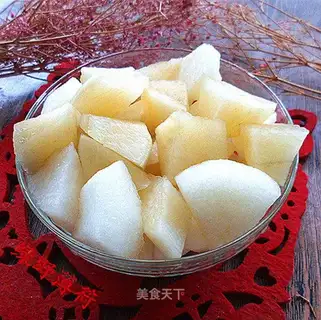
The easiest way to enjoy Hosui pears is to eat them fresh, washed and sliced. Their crisp texture and sweet flavor make them a perfect standalone snack or addition to fruit salads.
2. Smoothies and Juices
Blend Hosui pears with other fruits, vegetables, and a source of protein (like Greek yogurt or plant-based protein powder) for a nutrient-dense smoothie. For a lighter option, juice them with apples or carrots, but keep the pulp to retain fiber.
3. Grilled or Baked
Grilling or baking pears caramelizes their natural sugars, enhancing their sweetness. Try them grilled with a sprinkle of cinnamon and a drizzle of honey, or baked with a filling of nuts and spices for a warm, comforting dessert.
4. Salads and Savory Dishes
Add sliced Hosui pears to green salads, grain bowls, or cheese platters for a sweet and crunchy contrast. They pair well with ingredients like goat cheese, walnuts, and arugula, creating a balanced blend of flavors and textures.
5. Preserves and Chutneys
Make pear jam, chutney, or sauce using Hosui pears. Their high pectin content makes them ideal for jams, and their mild sweetness balances the heat of spices like ginger or chili in chutneys.
Conclusion
The Hosui pear is more than just a delicious fruit—it is a nutritional ally that supports digestive health, heart function, immune strength, and weight management. Its unique combination of vitamins, minerals, fiber, and antioxidants makes it a standout choice for promoting overall well-being. While precautions such as moderation for individuals with kidney issues or allergies should be noted, the benefits of regular consumption far outweigh the risks for most people. Whether enjoyed fresh, cooked, or blended into a smoothie, the Hosui pear is a versatile and tasty addition to a balanced diet. By embracing this "abundant water" fruit, we can savor its flavor while nourishing our bodies with nature’s goodness.