Dried longan, known as Gui Yuan in Chinese, is a cherished dried fruit with a rich history spanning over 2,000 years. Native to Southern China and widely cultivated across Asia, this sweet, succulent fruit has been valued not only for its delightful taste but also for its remarkable medicinal properties. Often called the "dragon eye" due to its resemblance to an eyeball when peeled, dried longan is a staple in traditional Chinese medicine (TCM) and a popular ingredient in cuisines worldwide. Beyond its cultural significance, it is a nutritional powerhouse, packed with vitamins, minerals, and antioxidants. This article explores the nutritional profile of dried longan, its diverse health benefits, and important precautions to ensure safe consumption.
Nutritional Profile of Dried Longan
Dried longan is a concentrated source of nutrients, offering a dense blend of vitamins, minerals, and bioactive compounds. While its nutritional value varies slightly based on processing methods, a typical 100-gram serving of dried longan contains approximately:
- Carbohydrates: 66–70 grams, primarily in the form of natural sugars (glucose, sucrose, and fructose), making it a quick source of energy.
- Dietary Fiber: 1–2 grams, aiding digestion and gut health.
- Protein: 2–3 grams, contributing to muscle repair and overall body function.
- Vitamins:
- Vitamin C: 10–15 mg (16–25% of the Daily Value, DV), essential for immune support, collagen synthesis, and antioxidant defense.
- Vitamin B Complex: Including B1 (thiamine), B2 (riboflavin), and B6, which play key roles in energy metabolism and nervous system health.
- Vitamin A: Trace amounts, supporting vision and skin health.
- Minerals:
- Potassium: 550–600 mg (12% of DV), regulating blood pressure and fluid balance.
- Iron: 1–2 mg (11% of DV), crucial for red blood cell production and preventing anemia.
- Magnesium: 10–15 mg (3–4% of DV), supporting muscle and nerve function.
- Calcium: 15–20 mg (1.5–2% of DV), important for bone health.
- Antioxidants: Rich in polyphenols, flavonoids, and phenolic acids, which combat oxidative stress and inflammation. Notably, it contains hydroxycinnamic acid derivatives and anthocyanins (in small amounts), which contribute to its disease-fighting properties.
The dehydration process concentrates these nutrients, making dried longan a more potent source of vitamins and minerals than fresh longan. However, it is also higher in calories and sugar, so moderation is key.
Health Benefits of Dried Longan
1. Boosts Immune System
Dried longan is a natural immunity booster, thanks to its high vitamin C content. Vitamin C stimulates the production of white blood cells, enhancing the body’s ability to fight infections, viruses, and bacteria. Studies show that regular consumption of vitamin C-rich foods like dried longan can reduce the duration and severity of colds and flu. Additionally, its antioxidant properties protect immune cells from damage caused by free radicals, ensuring optimal immune function.
2. Enhances Energy and Reduces Fatigue
The natural sugars in dried longan—glucose and sucrose—provide a rapid energy boost, making it an ideal snack for athletes or individuals experiencing fatigue. Unlike refined sugars, these natural sugars are accompanied by fiber, which slows absorption and prevents energy crashes. In TCM, dried longan is classified as a "warming" food, believed to replenish qi (vital energy) and alleviate fatigue, making it popular among those recovering from illness or overexertion.
3. Supports Cardiovascular Health
Potassium, the most abundant mineral in dried longan, plays a critical role in heart health. It helps regulate blood pressure by counteracting the effects of sodium and relaxing blood vessel walls. A diet rich in potassium is associated with a lower risk of stroke and hypertension. Furthermore, the antioxidants in dried longan reduce oxidative stress in blood vessels, preventing plaque buildup and improving circulation.
4. Improves Sleep Quality
Dried longan has been used in TCM for centuries to treat insomnia and anxiety. It contains serotonin, a neurotransmitter that regulates mood and sleep, and magnesium, which calms the nervous system and promotes relaxation. Modern research suggests that the phenolic compounds in dried longan may enhance GABA (gamma-aminobutyric acid) activity, a chemical that reduces neural excitability and induces sleep. A small study found that participants who consumed dried longan extract before bed experienced improved sleep duration and quality.
5. Benefits Cognitive Function
The high antioxidant content in dried longan protects brain cells from oxidative damage, which is linked to age-related cognitive decline and neurodegenerative diseases like Alzheimer’s. Vitamin B6, present in dried longan, aids in the production of neurotransmitters such as serotonin and dopamine, which regulate mood, memory, and focus. Regular consumption may enhance mental clarity and reduce the risk of cognitive impairment.
6. Promotes Skin Health
Vitamin C and antioxidants in dried longan are essential for skin vitality. Vitamin C stimulates collagen synthesis, a protein that maintains skin elasticity and reduces wrinkles. Antioxidants like polyphenols combat free radicals caused by UV exposure and pollution, preventing premature aging. Additionally, dried longan’s hydrating properties help maintain skin moisture, making it a popular ingredient in traditional skincare remedies.
7. Aids Digestive Health
While dried longan is not high in fiber, its natural sugars and mild laxative effects can help regulate bowel movements. In TCM, it is used to treat digestive issues such as bloating and poor appetite. The fruit’s warming nature is believed to "strengthen the spleen," a concept in TCM linked to efficient digestion and nutrient absorption. However, excessive consumption may lead to digestive discomfort due to its high sugar content.
Precautions and Potential Side Effects
Despite its numerous health benefits, dried longan is not suitable for everyone. Overconsumption or improper use may lead to adverse effects. Here are key precautions to consider:
1. High Sugar Content
Dried longan is calorie-dense and rich in natural sugars, with 100 grams containing approximately 60–65 grams of sugar. People with diabetes, insulin resistance, or those on a low-sugar diet should consume it sparingly. A single serving (20–30 grams) is sufficient to reap benefits without spiking blood sugar levels.
2. Weight Gain Risk
Due to its high calorie and sugar content, excessive intake of dried longan may contribute to weight gain. It is best enjoyed as an occasional snack rather than a daily staple. For those monitoring their weight, pairing dried longan with protein-rich foods like nuts can help balance blood sugar and increase satiety.
3. "Heatiness" in Traditional Chinese Medicine
In TCM, dried longan is considered a "warming" food, meaning it can increase internal body heat. Individuals with "heat-related" conditions—such as acne, sore throat, fever, or inflammation—should avoid excessive consumption. Pregnant women, who are often advised to avoid "heaty" foods, should consult a healthcare provider before eating dried longan.
4. Drug Interactions
Dried longan may interact with certain medications. For example, its high potassium content can be problematic for individuals taking potassium-sparing diuretics or ACE inhibitors, as it may lead to dangerously high potassium levels (hyperkalemia). Additionally, its mild blood-thinning properties may increase the risk of bleeding when combined with anticoagulant medications like warfarin.
5. Allergic Reactions
While rare, some individuals may be allergic to dried longan, especially those with pollen-food allergy syndrome. Symptoms include itching, swelling, or hives. People with known fruit allergies should start with a small amount to test for sensitivity.
6. Children and Elderly
Children and the elderly should consume dried longan in moderation due to its high sugar content and potential to cause digestive upset. For young children, whole dried longans pose a choking hazard and should be chopped or mashed before serving.
How to Incorporate Dried Longan into Your Diet
Dried longan is versatile and can be enjoyed in various ways:
- As a Snack: Eat 5–10 pieces (20–30 grams) as a healthy alternative to processed sweets.
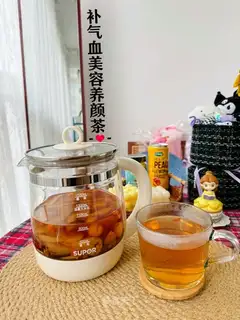
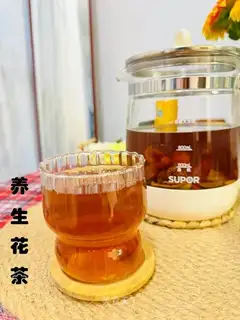
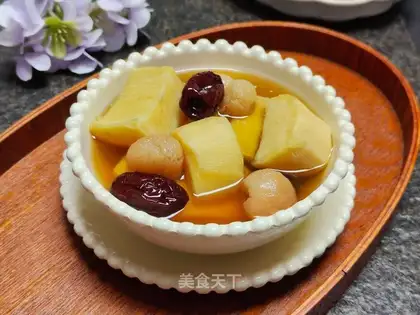
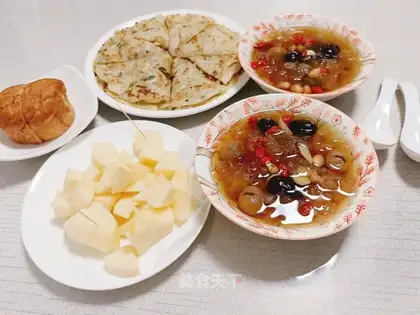
- In Teas and Soups: Add dried longan to herbal teas (e.g., with goji berries and chrysanthemum) or soups for flavor and nutritional benefits.
- In Oatmeal or Yogurt: Chop dried longan and mix it into breakfast cereals or yogurt for a natural sweetener.
- In Baking: Use it in cookies, cakes, or energy bars to add sweetness and nutrients.
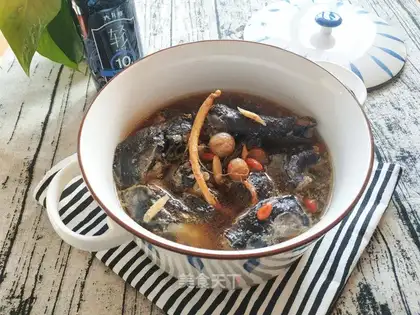
- Traditional Remedies: In TCM, dried longan is often cooked with black chicken (silkie) or herbs to create nourishing soups for postpartum recovery or illness.
Conclusion
Dried longan is more than just a delicious dried fruit—it is a nutritional and medicinal treasure with a wide range of health benefits. From boosting immunity and energy to supporting heart and brain health, its rich nutrient profile makes it a valuable addition to a balanced diet. However, its high sugar content and "warming" nature in TCM necessitate moderation, especially for individuals with specific health conditions. By consuming dried longan mindfully and incorporating it into a healthy lifestyle, one can harness its full potential while minimizing risks. Whether enjoyed as a snack, in teas, or in traditional remedies, dried longan remains a timeless symbol of health and wellness in cultures around the world.