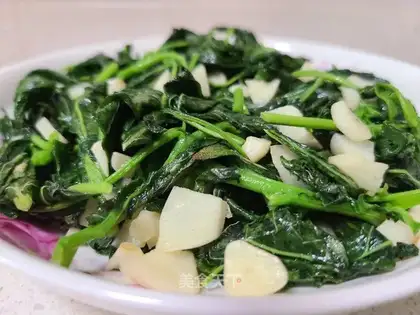
In the world of leafy green vegetables, amaranth (Amaranthus spp.) stands out as a nutritional and cultural treasure. Known as “xiàn cài” in Chinese, “raita” in Hindi, or “callaloo” in Caribbean cuisines, this vibrant green has been cultivated for over 8,000 years, revered by ancient civilizations like the Aztecs and Incas for its resilience and versatility. Today, amaranth greens are gaining global attention as a “superfood” due to their exceptional nutrient profile, potent health benefits, and adaptability in culinary practices. This article explores the nutritional value of amaranth greens, their evidence-based health benefits, and important precautions to consider for safe consumption.
I. Nutritional Profile: A Nutrient-Dense Green
Amaranth greens are a nutritional powerhouse, offering a wide array of vitamins, minerals, antioxidants, and plant compounds in every serving. A 100-gram (about 3.5 cups, cooked) portion of amaranth greens contains approximately:
- Protein: 4.7 grams, including all nine essential amino acids, making it a rare complete plant protein. This is particularly valuable for vegetarians, vegans, and individuals seeking to boost protein intake without animal products.
- Dietary Fiber: 2.6 grams, which supports digestive health, promotes satiety, and helps regulate blood sugar levels.
- Vitamins:
- Vitamin A (as beta-carotene): 105% of the Daily Value (DV). This is critical for vision, immune function, and skin health.
- Vitamin K: 85% of DV, essential for blood clotting and bone metabolism.
- Vitamin C: 30% of DV, a powerful antioxidant that aids collagen synthesis and immune defense.
- Folate (Vitamin B9): 22% of DV, vital for DNA synthesis and cell division, especially during pregnancy.
- Minerals:
- Iron: 18% of DV, with non-heme iron that is enhanced by vitamin C (abundant in amaranth).
- Calcium: 16% of DV, contributing to bone and teeth health.
- Magnesium: 21% of DV, which supports muscle function, nerve signaling, and blood pressure regulation.
- Potassium: 15% of DV, helping to balance fluids and electrolytes in the body.
- Antioxidants: Amaranth is rich in flavonoids (such as quercetin and kaempferol), phenolic acids, and betalains (pigments responsible for its red, purple, or green hues). These compounds combat oxidative stress by neutralizing free radicals, reducing the risk of chronic diseases.
Compared to spinach or kale, amaranth greens often outperform in certain nutrients: they provide more protein, calcium, and magnesium, while being lower in oxalates (compounds that can inhibit mineral absorption) than spinach.
II. Health Benefits: Backed by Science
The nutrient density of amaranth greens translates into a range of health benefits, supported by both traditional use and modern research.
1. Supports Bone Health
Amaranth greens are an excellent source of calcium, magnesium, and vitamin K—all crucial for maintaining bone density. Vitamin K activates osteocalcin, a protein that binds calcium to the bone matrix, while magnesium aids in converting vitamin D into its active form, which enhances calcium absorption. Studies suggest that regular consumption of calcium-rich greens may reduce the risk of osteoporosis, especially in postmenopausal women.
2. Enhances Immune Function
The high vitamin C and beta-carotene content in amaranth greens strengthens the immune system. Vitamin C stimulates the production of white blood cells and acts as an antioxidant, protecting immune cells from damage. Beta-carotene, converted to vitamin A in the body, maintains the integrity of mucosal barriers (e.g., in the respiratory and digestive tracts), preventing pathogen invasion. Additionally, zinc (present in moderate amounts) supports immune cell development and function.
3. Regulates Blood Pressure and Cardiovascular Health
Amaranth greens are rich in potassium and magnesium, minerals that help counteract the effects of sodium and relax blood vessels. Potassium balances fluid levels in the body, reducing strain on blood vessels, while magnesium supports endothelial function (the lining of blood vessels). Research links high potassium intake to a lower risk of hypertension and stroke. Furthermore, the fiber in amaranth helps lower LDL (“bad”) cholesterol, reducing the risk of atherosclerosis.
4. Aids in Digestion and Weight Management
The fiber in amaranth greens promotes digestive health by adding bulk to stool, preventing constipation, and feeding beneficial gut bacteria. A healthy gut microbiome is linked to improved immunity, mental health, and metabolism. For weight management, fiber and protein work synergistically to increase satiety, reducing overall calorie intake. A 2020 study in Nutrients found that diets high in leafy greens are associated with lower body weight and reduced abdominal fat.
5. Fights Inflammation and Chronic Diseases
Chronic inflammation is a root cause of many diseases, including diabetes, heart disease, and cancer. Amaranth greens are packed with anti-inflammatory compounds like quercetin and kaempferol, which inhibit pro-inflammatory enzymes (e.g., COX-2) and cytokines. Betalains, the pigments in red/purple amaranth, have been shown to reduce oxidative stress and inflammation in animal studies. Additionally, the magnesium in amaranth may help lower C-reactive protein (CRP), a marker of systemic inflammation.
6. Supports Pregnancy and Child Development
Folate (vitamin B9) is critical during pregnancy to prevent neural tube defects in developing fetuses. Amaranth greens provide a natural, plant-based source of folate, along with iron to support increased blood volume and prevent anemia. The protein and calcium content also support fetal growth and maternal bone health.
III. Precautions and Potential Side Effects
While amaranth greens are highly nutritious, certain precautions should be taken to maximize benefits and minimize risks.
1. Oxalate Content
Like spinach and Swiss chard, amaranth greens contain oxalates, naturally occurring compounds that can bind to minerals (e.g., calcium, iron) and reduce their absorption. In high amounts, oxalates may increase the risk of kidney stones in susceptible individuals. To mitigate this:
- Soak amaranth greens in water for 30 minutes before cooking.
- Cook them by boiling or steaming, which reduces oxalate levels by 10–15%.
- Avoid excessive intake if you have a history of kidney stones.
2. Nitrate Levels
Amaranth greens, like other leafy vegetables, contain nitrates, which are generally safe but can be harmful in large quantities. High nitrate intake may convert to nitrosamines (carcinogens) in the body or cause methemoglobinemia (a blood disorder) in infants. To reduce risk:
- Limit consumption to 1–2 servings per day.
- Avoid giving raw amaranth greens to infants; cook and puree them for older babies.
3. Pesticide Residues
Conventionally grown amaranth greens may contain pesticide residues. Opt for organic or locally sourced varieties to minimize exposure. Thorough washing under running water can further reduce residues.
4. Drug Interactions
Amaranth greens are high in vitamin K, which plays a role in blood clotting. Individuals taking anticoagulant medications (e.g., warfarin) should maintain consistent vitamin K intake to avoid altering drug efficacy. Consult a healthcare provider before significantly increasing amaranth consumption if on blood thinners.
5. Allergic Reactions
While rare, some individuals may be allergic to amaranth, experiencing symptoms like itching, hives, or digestive distress. Discontinue use and seek medical attention if adverse reactions occur.
IV. Culinary Uses and Practical Tips
Amaranth greens are versatile and can be incorporated into meals in numerous ways:
- Stir-fries: Sauté with garlic, ginger, and tofu for a quick, nutrient-packed dish.
- Soups and Stews: Add to lentil, bean, or bone broth soups for extra fiber and minerals.
- Smoothies: Blend with fruits like bananas and berries for a vitamin-rich drink (use raw leaves sparingly).
- Salads: Young, tender leaves can be eaten raw in salads, while mature leaves are better cooked.
- Juices: Juice with carrots and apples for a detoxifying beverage.
To maximize nutrient retention, cook amaranth greens lightly: steaming for 3–5 minutes or sautéing with minimal oil preserves vitamins and minerals better than boiling for extended periods.
Conclusion
Amaranth greens are a nutritional powerhouse, offering a unique combination of protein, fiber, vitamins, and minerals that support bone health, immunity, digestion, and chronic disease prevention. Their versatility in culinary applications makes them an easy addition to a healthy diet. However, moderation and proper preparation are key to avoiding potential side effects like oxalate-related issues or nitrate overload. By incorporating amaranth greens wisely, individuals can harness their ancient wisdom and modern science to enhance overall health and well-being. As global interest in plant-based, nutrient-dense foods grows, amaranth greens are poised to reclaim their status as a staple of sustainable and healthy eating.