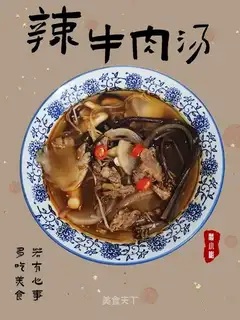
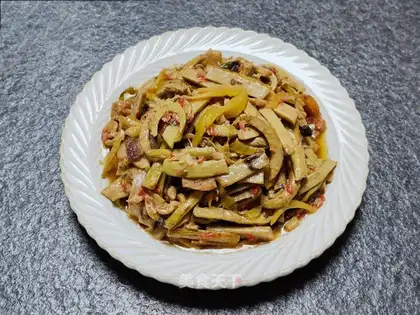
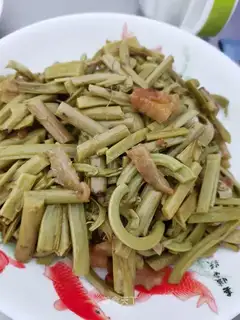
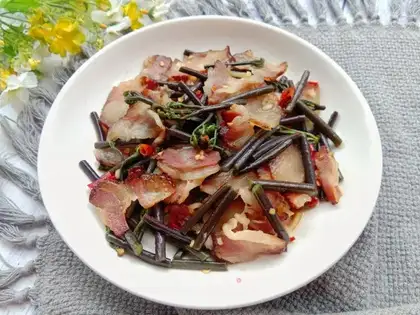
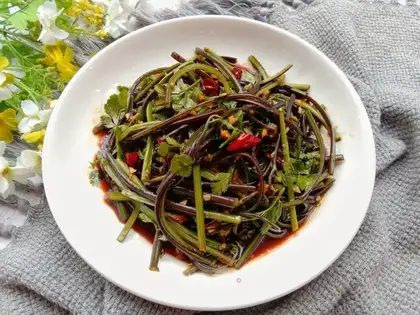
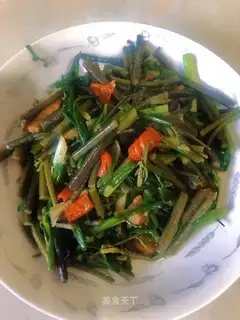
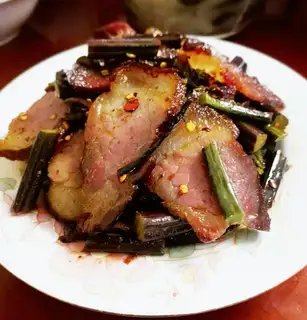
Bracken fern (Pteridium aquilinum), known for its distinctive coiled fronds (fiddleheads), is a wild edible plant consumed worldwide, particularly in East Asia, Europe, and North America. For centuries, it has been prized for its unique flavor and purported health benefits, yet its consumption is also marked by controversy due to potential toxicity. This article explores the nutritional composition of bracken fern, its documented health benefits, and critical precautions to ensure safe consumption.
Nutritional Value of Bracken Fern
Bracken fern’s nutritional profile is a complex interplay of macronutrients, micronutrients, and bioactive compounds. Its young fronds, harvested before unfurling, are rich in nutrients but also contain antinutritional factors that require careful handling.
Macronutrients
Young bracken ferns are low in calories but provide moderate amounts of carbohydrates, primarily in the form of dietary fiber. A 100-gram serving of cooked fiddleheads contains approximately 34 calories, 5 grams of carbohydrates, and 2 grams of fiber, aiding digestion and promoting satiety. They are also a source of plant-based protein, though less complete than animal proteins, providing around 2–3 grams per 100 grams. Fat content is minimal, making them a suitable addition to low-fat diets.
Micronutrients
Bracken ferns are notable for their micronutrient density. They are an excellent source of vitamin A (as beta-carotene), with 100 grams providing over 100% of the daily recommended intake (DRI). Vitamin A is essential for vision, immune function, and skin health. Additionally, they contain significant levels of vitamin C (up to 26 mg per 100 grams), an antioxidant that supports collagen synthesis and iron absorption.
Mineral content is equally impressive: bracken ferns provide potassium (important for blood pressure regulation), manganese (critical for bone health and metabolism), and iron (vital for oxygen transport). They also contain smaller amounts of calcium, magnesium, and zinc. However, the bioavailability of some minerals, such as iron, may be limited by their oxalate content.
Bioactive Compounds
Beyond basic nutrients, bracken ferns contain unique bioactive compounds, including flavonoids (such as quercetin and kaempferol), phenolic acids, and triterpenoids. These compounds exhibit antioxidant, anti-inflammatory, and antimicrobial properties. However, the fern also contains two potentially harmful substances: ptaquiloside (a carcinogenic norsesquiterpene glycoside) and thiaminase (an enzyme that breaks down vitamin B1).
Health Benefits of Bracken Fern
When properly prepared to reduce toxicity, bracken ferns may offer several health benefits, supported by traditional use and emerging scientific research.
1. Antioxidant and Anti-Inflammatory Effects
The flavonoids and phenolic acids in bracken ferns act as antioxidants, neutralizing free radicals that cause oxidative stress and chronic inflammation. Studies suggest these compounds may reduce the risk of age-related diseases, including cardiovascular disorders and neurodegenerative conditions. For example, quercetin has been shown to inhibit inflammation markers like TNF-α and IL-6, potentially protecting against arthritis and other inflammatory diseases.
2. Immune System Support
Vitamin C and vitamin A in bracken ferns play key roles in immune function. Vitamin C enhances the production of white blood cells and strengthens the skin’s barrier against pathogens, while vitamin A maintains the integrity of mucosal surfaces in the respiratory and digestive tracts. Animal studies indicate that bracken fern extracts may modulate immune activity, though human trials are limited.
3. Digestive Health
With 2 grams of fiber per 100 grams, bracken ferns promote healthy digestion by adding bulk to stool and supporting gut microbiota. Fiber also helps regulate blood sugar levels and lowers cholesterol, reducing the risk of metabolic syndrome. Some traditional medicine practices use bracken fern to alleviate constipation and indigestion, though excessive consumption may irritate the gastrointestinal tract due to its oxalate content.
4. Potential Anti-Cancer Properties (Controversial)
While ptaquiloside is carcinogenic, some studies suggest that bracken fern’s antioxidant compounds may counteract DNA damage when consumed in moderation. In vitro research has shown that certain flavonoids in the fern can inhibit the growth of cancer cells, particularly in the colon and liver. However, these findings are preliminary, and the risks of ptaquiloside exposure outweigh any potential anti-cancer benefits in unprocessed ferns.
5. Traditional Uses
In traditional Chinese medicine, bracken fern is used to treat ailments like hypertension, rheumatism, and snake bites. In Korean and Japanese cuisine, it is valued for its “cooling” properties, believed to detoxify the body and reduce fever. While these uses are rooted in folklore, some modern research supports mild anti-inflammatory and diuretic effects.
食用禁忌与安全食用指南 (Consumption Precautions and Safe Eating Guidelines)
Despite its nutritional benefits, bracken fern is classified as a Group 2B carcinogen by the International Agency for Research on Cancer (IARC) due to ptaquiloside, which has been linked to gastric, esophageal, and bladder cancers in animal studies. Additionally, thiaminase can cause vitamin B1 deficiency, leading to neurological issues if consumed in large quantities. Safe consumption requires strict preparation methods and moderation.
Key Precautions
1. Avoid Raw Consumption: Raw bracken ferns contain high levels of ptaquiloside and thiaminase. Always cook them thoroughly to reduce toxicity.
2. Proper Preparation:
- Boiling: Soak fiddleheads in water for 12–24 hours, then boil for 10–15 minutes. Discard the soaking water, as it contains water-soluble toxins like ptaquiloside.
- Stir-Frying: High-heat stir-frying (5–7 minutes) can degrade ptaquiloside, but ensure the ferns are not undercooked.
- Avoid Overconsumption: Limit intake to 1–2 servings per week (100–150 grams per serving) to minimize toxin accumulation.
3. Special Populations: Pregnant women, children, and individuals with a history of cancer or liver/kidney disease should avoid bracken ferns entirely due to their toxin sensitivity.
4. Source Selection: Harvest bracken ferns from uncontaminated areas (远离 industrial pollutants, pesticides, and heavy metals). Wild ferns may accumulate toxins from soil, so foraging should be done cautiously.
Symptoms of Toxicity
Acute toxicity from excessive consumption may cause nausea, vomiting, abdominal pain, and dizziness. Chronic exposure can lead to thiamine deficiency (beriberi) or an increased risk of gastric cancer. If adverse symptoms occur, seek medical attention immediately.
Conclusion
Bracken fern is a double-edged sword: it offers a unique combination of nutrients and potential health benefits but carries significant risks if not prepared and consumed responsibly. Its high fiber, vitamin, and antioxidant content make it a valuable addition to a balanced diet when cooked thoroughly and consumed in moderation. However, the presence of ptaquiloside and thiaminase demands caution, particularly for vulnerable groups.
For those who choose to enjoy bracken ferns, adhering to traditional preparation methods—soaking, boiling, and limiting portions—is critical to mitigating toxicity. As with many wild edibles, respect for its risks and appreciation for its benefits can allow bracken fern to be enjoyed safely. Ultimately, informed consumption is key to unlocking its potential as both a culinary delight and a functional food.