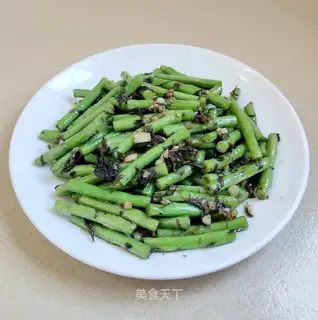
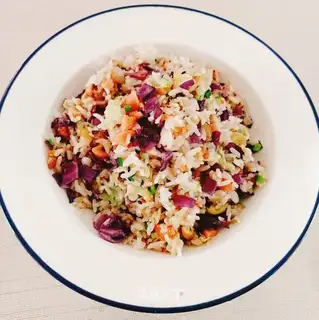
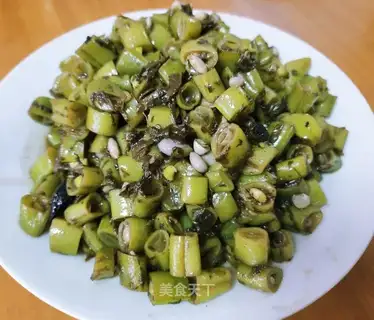
Olive paste, known as zaytoun in Arabic, tapenade in Provence, or 橄榄菜 (gan lan cai) in Chinese, is a savory condiment made from finely chopped or blended cured olives, olive oil, and often additional ingredients like capers, anchovies, herbs, or citrus. With roots tracing back to ancient Mediterranean civilizations, this versatile ingredient has transcended cultural boundaries to become a staple in global cuisine. Beyond its bold, umami-rich flavor, olive paste is celebrated for its impressive nutritional profile and potential health benefits. However, like any concentrated food, it also comes with considerations for consumption. This article explores the nutritional value of olive paste, its health-promoting properties, and important precautions to keep in mind.
I. Nutritional Value of Olive Paste
Olive paste is a nutrient-dense food, primarily derived from olives—one of the most nutrient-rich fruits in the Mediterranean diet. Its nutritional composition reflects the health-promoting compounds of olives, enhanced by the addition of olive oil and complementary ingredients.
1. Healthy Fats: Monounsaturated Fatty Acids (MUFAs)
The primary component of olive paste is fat, accounting for approximately 50–70% of its weight. However, unlike the saturated fats found in processed foods, the majority of these fats are monounsaturated fatty acids (MUFAs), particularly oleic acid (a type of omega-9 fatty acid). Oleic acid is renowned for its cardiovascular benefits, as it helps reduce low-density lipoprotein (LDL or "bad") cholesterol while preserving high-density lipoprotein (HDL or "good") cholesterol. A 100-gram serving of olive paste may contain 30–40 grams of MUFAs, making it an excellent source of heart-healthy fats.
2. Antioxidants: Polyphenols and Vitamin E
Olives are rich in polyphenols, plant compounds with potent antioxidant and anti-inflammatory properties. Key polyphenols in olive paste include oleuropein, hydroxytyrosol, and oleocanthal. These compounds neutralize harmful free radicals, which can damage cells and contribute to chronic diseases. For example, oleuropein has been linked to reduced oxidative stress, while oleocanthal exhibits anti-inflammatory effects similar to ibuprofen. Additionally, olive paste is a good source of vitamin E, a fat-soluble antioxidant that protects cell membranes from oxidative damage. A single tablespoon (about 15 grams) of olive paste may provide 10–15% of the daily recommended intake of vitamin E.
3. Vitamins and Minerals
Olive paste contains a modest array of essential vitamins and minerals, including:
- Vitamin K: Crucial for blood clotting and bone health, with one tablespoon providing ~5–10% of the daily value.
- Iron: Important for oxygen transport in the blood, though its absorption is enhanced by the vitamin C often added to some recipes.
- Calcium and Magnesium: Support bone health and muscle function.
- Copper and Manganese: Act as cofactors for antioxidant enzymes.
4. Low in Carbohydrates and Protein
Olive paste is naturally low in carbohydrates (typically 2–5 grams per 100 grams) and protein (1–2 grams per 100 grams), making it suitable for low-carb or ketogenic diets. Its caloric content is primarily derived from fats, with 100 grams providing around 300–400 calories.
II. Health Benefits of Olive Paste
The combination of healthy fats, antioxidants, and micronutrients in olive paste contributes to a range of health benefits, particularly when consumed as part of a balanced diet.
1. Supports Heart Health
The MUFAs in olive paste play a central role in cardiovascular health. By lowering LDL cholesterol and increasing HDL cholesterol, oleic acid reduces the risk of atherosclerosis (hardening of the arteries) and heart disease. Studies suggest that populations following a Mediterranean diet—rich in olive products—have a 30% lower risk of heart attacks and strokes. Additionally, the polyphenols in olive paste, such as oleuropein, help reduce blood pressure by inhibiting angiotensin-converting enzyme (ACE), a key regulator of blood pressure.
2. Anti-Inflammatory Properties
Chronic inflammation is a root cause of many diseases, including arthritis, diabetes, and cancer. Olive paste contains polyphenols like oleocanthal, which blocks pro-inflammatory enzymes (COX-1 and COX-2), similar to nonsteroidal anti-inflammatory drugs (NSAIDs). Regular consumption may help alleviate symptoms of inflammatory conditions, such as joint pain, and reduce the risk of inflammation-related chronic diseases.
3. Anticancer Potential
The antioxidants in olive paste may protect against cancer by preventing DNA damage and inhibiting the growth of cancer cells. Test-tube and animal studies have shown that oleuropein and hydroxytyrosol can induce apoptosis (programmed cell death) in colon, breast, and skin cancer cells. While human trials are limited, epidemiological evidence suggests that high olive oil consumption is associated with a lower risk of certain cancers.
4. Brain Health and Cognitive Function
The MUFAs and antioxidants in olive paste support brain health by reducing oxidative stress and improving blood flow to the brain. Oleic acid, in particular, is a major component of myelin, the fatty sheath that insulates nerve cells and facilitates efficient communication. Some studies link olive consumption to a reduced risk of age-related cognitive decline, including Alzheimer’s disease.
5. Digestive Health
Olive paste is a source of dietary fiber, especially if made with whole olives (including the skin and pulp). Fiber promotes healthy digestion by adding bulk to stool and supporting the growth of beneficial gut bacteria. Additionally, the healthy fats in olive paste can aid in the absorption of fat-soluble vitamins (A, D, E, K) and promote satiety, helping to regulate appetite and prevent overeating.
6. Skin Health
Vitamin E and polyphenols in olive paste protect the skin from UV damage and oxidative stress, which contribute to premature aging. These compounds also have moisturizing properties, helping to maintain skin elasticity and hydration. Topical application of olive oil (a key ingredient in paste) has been used traditionally to treat dry skin and eczema.
III. Precautions and Potential Side Effects
While olive paste offers numerous health benefits, it is important to consume it in moderation and consider potential risks, particularly for certain populations.
1. High Sodium Content
Olives are naturally high in sodium, and many commercial olive pastes add additional salt for flavor. A single tablespoon (15 grams) may contain 200–400 milligrams of sodium, accounting for 8–17% of the daily recommended limit (2,300 mg for adults). Excessive sodium intake can increase blood pressure and raise the risk of heart disease and stroke. Individuals with hypertension, kidney disease, or those following a low-sodium diet should opt for low-sodium or homemade olive paste, where salt levels can be controlled.
2. Caloric Density
Due to its high fat content, olive paste is calorie-dense. Overconsumption can lead to weight gain, as 100 grams provides 300–400 calories. To avoid excess calorie intake, limit serving sizes to 1–2 tablespoons (15–30 grams) per meal, and use it as a flavor enhancer rather than a primary ingredient.
3. Allergies and Sensitivities
While rare, some individuals may be allergic to olives or olive oil. Symptoms can range from mild (hives, itching) to severe (anaphylaxis). Additionally, olive paste often contains anchovies or capers, which are common allergens. Those with fish or shellfish allergies should check labels for hidden ingredients or choose anchovy-free varieties.
4. Interaction with Medications
The high vitamin K content in olive paste may interfere with blood-thinning medications like warfarin. Vitamin K promotes blood clotting, and sudden changes in its intake can reduce the effectiveness of anticoagulants. Individuals taking such medications should consume olive paste consistently and consult their healthcare provider before making dietary changes.
5. Additives and Preservatives
Commercial olive pastes may contain additives like preservatives (e.g., potassium sorbate) or artificial flavors to extend shelf life. While these are generally recognized as safe, some consumers prefer homemade versions to avoid unnecessary chemicals. Homemade olive paste can be prepared by blending cured olives, olive oil, herbs, and spices, ensuring a natural and preservative-free product.
IV. How to Incorporate Olive Paste into a Healthy Diet
Olive paste is a versatile ingredient that can enhance the flavor of dishes while providing nutritional benefits. Here are some ways to include it in your diet:
- As a Spread: Use it on whole-grain bread, crackers, or vegetable sticks for a savory snack.
- In Pasta Dishes: Toss with whole wheat pasta, garlic, and cherry tomatoes for a quick, flavorful meal.
- In Salad Dressings: Whisk with lemon juice, vinegar, and herbs to create a creamy dressing.
- As a Meat or Fish Rub: Marinate chicken, fish, or tofu with olive paste, garlic, and herbs before grilling or baking.
- In Soups and Stews: Add a spoonful to lentil, bean, or vegetable soups to enhance umami flavor.
Conclusion
Olive paste is more than just a flavorful condiment—it is a nutritional powerhouse packed with healthy fats, antioxidants, and essential nutrients. Its benefits for heart health, inflammation reduction, and brain function make it a valuable addition to a balanced diet. However, due to its high sodium and calorie content, moderation is key. By choosing high-quality, low-sodium varieties (or making it at home) and being mindful of portion sizes, individuals can enjoy the health advantages of olive paste while minimizing potential risks. Whether spread on toast, stirred into pasta, or used as a marinade, olive paste offers a delicious way to embrace the healthful traditions of the Mediterranean diet.