Chinese cabbage, commonly known as baicai (白菜) in Mandarin or Napa cabbage in the West, is a staple vegetable in East Asian cuisine, particularly in China, Korea, and Japan. With its pale green, tightly layered leaves and crisp, succulent texture, this unassuming vegetable has been a dietary cornerstone for millennia. Often referred to as the "people’s vegetable" in China for its affordability and accessibility, Chinese cabbage is far more than a mere side dish—it is a nutritional powerhouse packed with vitamins, minerals, antioxidants, and bioactive compounds. This article delves into the rich nutritional profile of Chinese cabbage, its evidence-based health benefits, and important precautions to consider for optimal consumption.
I. Nutritional Profile: A Treasure Trove of Essential Nutrients
Chinese cabbage belongs to the Brassica rapa subspecies pekinensis, and its nutritional composition makes it a standout in the vegetable kingdom. A 100-gram serving of raw Chinese cabbage (approximately 1 cup, chopped) contains roughly:
- Calories: 16 kcal
- Water: 95%
- Carbohydrates: 3.2 g (including 1.7 g of fiber)
- Protein: 1.5 g
- Fat: 0.2 g
- Vitamins: Vitamin C (31 mg, 52% of Daily Value, DV), Vitamin K (59% DV), Vitamin A (10% DV), folate (10% DV), and smaller amounts of B vitamins (B6, thiamine, riboflavin).
- Minerals: Potassium (212 mg, 6% DV), calcium (40 mg, 4% DV), magnesium (10 mg, 3% DV), and manganese (5% DV).
- Phytochemicals: Glucosinolates (precursors to cancer-fighting compounds like sulforaphane), flavonoids (quercetin, kaempferol), and phenolic acids.
What sets Chinese cabbage apart is its high water content, making it a low-calorie option for hydration, while its fiber content supports digestive health. The combination of vitamins and minerals further solidifies its role as a nutrient-dense food.
II. Health Benefits: From Disease Prevention to Wellness Support
The consumption of Chinese cabbage is linked to a myriad of health benefits, backed by scientific research. These benefits stem from its unique blend of antioxidants, anti-inflammatory compounds, and essential nutrients.
1. Boosts Immune Function
Chinese cabbage is an excellent source of vitamin C, a potent antioxidant that plays a critical role in immune health. Vitamin C stimulates the production and function of white blood cells, which are the body’s primary defense against pathogens. A 100-gram serving provides over 50% of the recommended daily intake, making it a valuable ally during cold and flu season. Additionally, its vitamin A content supports mucosal immunity, strengthening the barriers of the respiratory and digestive tracts.
2. Supports Digestive Health
The high fiber content in Chinese cabbage, both soluble and insoluble, promotes a healthy digestive system. Insoluble fiber adds bulk to stool, preventing constipation, while soluble fiber feeds beneficial gut bacteria, fostering a balanced microbiome. A healthy gut microbiome is linked to improved immunity, reduced inflammation, and even mental health benefits. Moreover, Chinese cabbage contains glucosinolates, which are broken down into bioactive compounds (such as isothiocyanates) during digestion. These compounds have been shown to protect the gut lining and reduce the risk of gastrointestinal disorders.
3. Promotes Heart Health
Cardiovascular disease is a leading global cause of death, and dietary choices play a key role in prevention. Chinese cabbage contributes to heart health in multiple ways:
- Potassium: This mineral helps regulate blood pressure by counteracting the effects of sodium, thereby reducing the strain on blood vessels.
- Fiber: Soluble fiber binds to cholesterol in the digestive system, preventing its absorption and lowering LDL ("bad") cholesterol levels.
- Antioxidants: Flavonoids like quercetin reduce inflammation and oxidative stress, both of which are risk factors for atherosclerosis (hardening of the arteries).
Studies suggest that regular consumption of cruciferous vegetables like Chinese cabbage may lower the risk of heart disease by improving lipid profiles and blood pressure regulation.
4. Aids in Weight Management
For individuals seeking to maintain or lose weight, Chinese cabbage is an ideal food. Its low calorie density (16 kcal per 100 grams) combined with high water and fiber content promotes satiety, reducing overall calorie intake. The fiber slows digestion, keeping you feeling full longer, while the water content adds volume without adding calories. Incorporating Chinese cabbage into meals—such as in stir-fries, soups, or salads—can help curb overeating and support healthy weight management.
5. Potentially Anti-Cancer Properties
Chinese cabbage belongs to the cruciferous family, which is renowned for its cancer-fighting potential. The glucosinolates in its leaves are converted into isothiocyanates (e.g., sulforaphane) when chopped, chewed, or digested. These compounds have been extensively studied for their ability to:
- Neutralize carcinogens: Isothiocyanases enhance the activity of detoxification enzymes in the liver, helping to eliminate harmful toxins.
- Inhibit cancer cell growth: They induce apoptosis (programmed cell death) in cancer cells and prevent tumor angiogenesis (the formation of new blood vessels that feed tumors).
- Reduce inflammation: Chronic inflammation is a known risk factor for cancer; the anti-inflammatory compounds in Chinese cabbage help mitigate this.
Research, particularly on populations with high cruciferous vegetable intake, suggests a reduced risk of lung, colorectal, breast, and prostate cancers. However, more clinical trials are needed to confirm these effects in humans.
6. Supports Bone Health
Chinese cabbage is a good source of vitamin K and calcium, two nutrients essential for bone health. Vitamin K plays a critical role in bone metabolism by activating proteins that regulate calcium deposition in bones. It also helps prevent calcium from accumulating in soft tissues (e.g., arteries), where it can be harmful. Calcium, on the other hand, is the primary mineral in bone structure. A 100-gram serving of Chinese cabbage provides 40 mg of calcium and about 59% of the DV for vitamin K, making it a valuable food for maintaining bone density and reducing the risk of osteoporosis.
7. Anti-Aging and Skin Benefits
The antioxidants in Chinese cabbage, including vitamin C and flavonoids, combat oxidative stress caused by free radicals—unstable molecules that damage cells and accelerate aging. Vitamin C is also essential for collagen synthesis, a protein that keeps skin firm, elastic, and youthful. Regular consumption may help reduce wrinkles, improve skin texture, and protect against UV damage. Additionally, the high water content hydrates the skin from within, promoting a healthy glow.
III. Precautions and Potential Side Effects
While Chinese cabbage is generally safe for most people, there are a few precautions to keep in mind:
1. Goitrogenic Compounds
Like other cruciferous vegetables (e.g., broccoli, kale), Chinese cabbage contains goitrogens—compounds that can interfere with thyroid function by inhibiting the uptake of iodine. This is primarily a concern for individuals with iodine deficiency or pre-existing thyroid disorders (e.g., hypothyroidism). Cooking Chinese cabbage significantly reduces its goitrogen content, as heat inactivates the enzymes responsible for goitrogen formation. Therefore, people with thyroid issues should consume it in moderation and prefer cooked over raw forms.
2. Digestive Discomfort
The high fiber content in Chinese cabbage may cause bloating, gas, or diarrhea in some individuals, especially those with sensitive digestive systems or irritable bowel syndrome (IBS). To minimize discomfort, start with small portions and ensure the vegetable is cooked thoroughly, as cooking breaks down fiber and makes it easier to digest.
3. Pesticide Residues
As with many leafy vegetables, Chinese cabbage may contain pesticide residues if not grown organically. To reduce exposure, wash the leaves thoroughly under running water or use a vegetable wash. Opting for organic varieties, when possible, can further minimize pesticide intake.
4. Blood Thinning Effect
Chinese cabbage is rich in vitamin K, which plays a role in blood clotting. Individuals taking anticoagulant medications (e.g., warfarin) should maintain consistent vitamin K intake to avoid interactions with their medication. Sudden increases or decreases in vitamin K levels can reduce the effectiveness of blood thinners. It is advisable for such individuals to consult their healthcare provider or a registered dietitian before making significant dietary changes.
IV. Culinary Uses and Practical Tips
To maximize the nutritional benefits of Chinese cabbage, consider the following culinary tips:
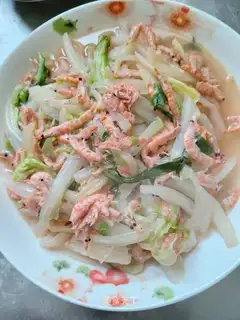
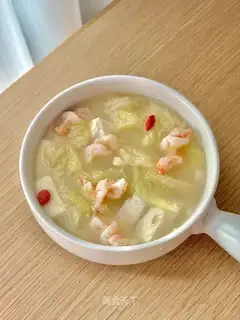
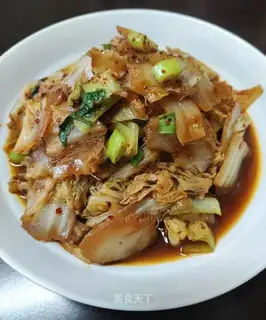
- Cooking Methods: Lightly stir-frying, steaming, or boiling preserves most nutrients, while raw consumption (e.g., in salads) retains vitamin C and enzymes. Avoid overcooking, as it can destroy heat-sensitive vitamins like vitamin C.
- Pairing: Combine Chinese cabbage with sources of healthy fats (e.g., olive oil, avocado) to enhance the absorption of fat-soluble vitamins (A, K). It also pairs well with protein-rich foods like tofu, chicken, or fish for a balanced meal.
- Storage: Store Chinese cabbage in the refrigerator in a plastic bag or wrapped in a damp paper towel to maintain freshness. It can last for up to 1–2 weeks when stored properly.
V. Conclusion
Chinese cabbage is a nutritional powerhouse that offers a wide range of health benefits, from boosting immunity and supporting heart health to potentially reducing cancer risk. Its low calorie, high nutrient, and fiber-rich composition make it an ideal choice for individuals seeking to improve their overall well-being. While precautions such as moderating intake for those with thyroid issues and washing thoroughly to remove pesticides are important, the vegetable remains a safe and valuable addition to most diets.
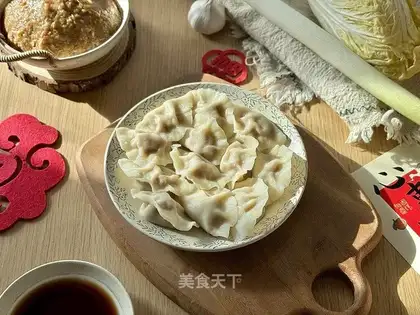
In a world where superfoods are often expensive and exotic, Chinese cabbage stands out as a humble, affordable, and accessible option. Whether enjoyed in a steaming bowl of hot pot, a crisp salad, or a hearty stir-fry, this "people’s vegetable" continues to nourish generations, proving that good health does not always require complexity—sometimes, it lies in the simplest of foods. As research continues to uncover its potential, Chinese cabbage is likely to remain a cornerstone of healthy eating for years to come.