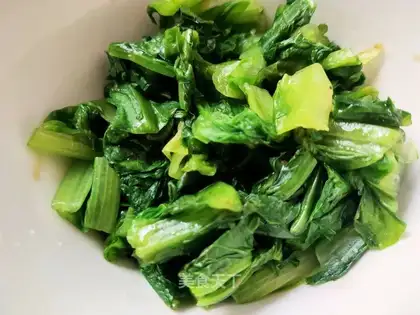
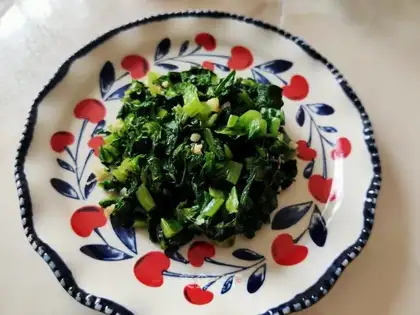
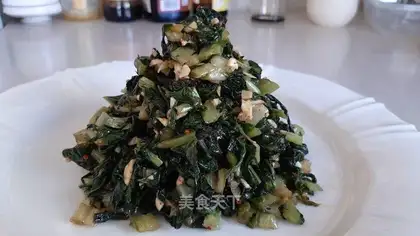
Lettuce, often dismissed as a mere "garnish" in culinary traditions, is far more than a crisp, green accessory to salads. Among its various parts, the leaves—particularly the darker, more nutrient-dense varieties—stand out as a nutritional powerhouse, offering a surprising array of health benefits, culinary versatility, and even a few cautionary notes. This article delves into the nutritional profile of lettuce leaves, their scientifically supported health benefits, practical culinary applications, and important considerations for safe consumption. By the end, readers will gain a newfound appreciation for this humble leaf and its role in a balanced diet.
I. Nutritional Profile: More Than Just Water and Crunch
Lettuce leaves are often associated with high water content (over 90%), making them a low-calorie choice for hydration. However, beneath this hydrating exterior lies a rich concentration of vitamins, minerals, antioxidants, and fiber that belies their reputation as "nutritionally empty."
1. Vitamins: A Green Source of Essential Nutrients
Lettuce leaves are a notable source of fat-soluble and water-soluble vitamins, with darker varieties like romaine and red leaf lettuce leading the pack.
- Vitamin A (as beta-carotene): Lettuce is rich in beta-carotene, which the body converts to vitamin A, crucial for vision, immune function, and skin health. A 100-gram serving of romaine lettuce provides approximately 97% of the daily recommended intake (DRI) of vitamin A, supporting eye health and protecting against age-related macular degeneration.
- Vitamin K: Essential for blood clotting and bone metabolism, vitamin K is abundant in lettuce, particularly in kale-like varieties (though lettuce still offers a significant amount). A 100-gram serving of green leaf lettuce provides around 85–120% of the DRI, making it valuable for bone density and wound healing.
- Folate (Vitamin B9): Lettuce is a good source of folate, a B vitamin critical for DNA synthesis, cell division, and fetal development. Pregnant individuals, in particular, benefit from folate-rich foods to prevent neural tube defects. A 100-gram serving of romaine lettuce provides about 10–15% of the DRI.
- Vitamin C: Though not as potent as citrus fruits, lettuce contributes to vitamin C intake, supporting immune function, collagen production, and antioxidant defense. Red leaf lettuce, for example, provides around 4–5 mg per 100 grams, roughly 5–7% of the DRI.
2. Minerals: Electrolytes and Beyond
Lettuce leaves offer a range of essential minerals, often in bioavailable forms:
- Potassium: This electrolyte regulates blood pressure, fluid balance, and muscle function. Lettuce provides a modest but meaningful amount of potassium (around 150–200 mg per 100 grams), complementing a heart-healthy diet.
- Iron: While not as high as spinach or legumes, lettuce contains non-heme iron, especially when paired with vitamin C (enhancing absorption). This is particularly beneficial for individuals following plant-based diets.
- Calcium and Magnesium: Though present in smaller quantities, these minerals support bone health and muscle function. Red leaf lettuce, for instance, offers around 15–20 mg of calcium per 100 grams.
3. Antioxidants and Phytochemicals: Fighting Oxidative Stress
Lettuce leaves are packed with antioxidants that neutralize harmful free radicals, reducing the risk of chronic diseases:
- Beta-carotene and Lutein: These carotenoids, abundant in dark lettuce varieties, protect cells from oxidative damage and support eye health. Lutein, in particular, accumulates in the retina and filters blue light, reducing the risk of cataracts.
- Anthocyanins: Found in red and purple lettuce varieties, anthocyanins give these leaves their vibrant color and possess anti-inflammatory and anti-cancer properties. Studies suggest anthocyanins may inhibit tumor growth and improve cognitive function.
- Polyphenols: Lettuce contains polyphenols like caffeic acid and quercetin, which have anti-inflammatory, antimicrobial, and neuroprotective effects. These compounds may also help regulate blood sugar levels and support gut health.
4. Fiber: Gut Health and Satiety
Lettuce leaves provide dietary fiber, particularly insoluble fiber, which adds bulk to stool and promotes regular bowel movements. While not as fiber-dense as beans or whole grains, lettuce contributes to daily fiber needs (1–2 grams per 100 grams), aiding digestion and promoting satiety, which can aid in weight management.
II. Health Benefits: Science-Backed Advantages of Lettuce Leaves
The combination of vitamins, minerals, antioxidants, and fiber in lettuce leaves translates to a host of health benefits, supported by scientific research.
1. Supports Weight Management
Lettuce is a dieter’s dream: low in calories (around 15–20 calories per 100 grams) yet high in water and fiber, which promote fullness. Its crunchiness also satisfies the desire for "textural" foods in low-calorie meals. Studies suggest that high-water, high-fiber foods like lettuce can reduce overall calorie intake by displacing higher-calorie options.
2. Promotes Heart Health
Lettuce’s nutrient profile supports cardiovascular health in multiple ways:
- Potassium helps counteract the effects of sodium, lowering blood pressure.
- Fiber reduces LDL ("bad") cholesterol levels by binding to bile acids in the digestive system, preventing their reabsorption.
- Antioxidants like vitamin C and beta-carotene reduce oxidative stress in blood vessels, preventing atherosclerosis.
A 2019 study published in the Journal of the American Heart Association linked higher leafy green intake (including lettuce) to a 15–20% lower risk of cardiovascular disease.
3. Enhances Digestive Health
The insoluble fiber in lettuce acts as a natural laxative, preventing constipation and maintaining gut regularity. Additionally, lettuce contains prebiotic compounds (such as inulin) that feed beneficial gut bacteria, supporting a healthy microbiome. A balanced gut microbiome is linked to improved immunity, mood, and even reduced inflammation.
4. Boosts Immune Function
Lettuce’s vitamin C and vitamin A content are critical for immune health. Vitamin C stimulates the production of white blood cells, while vitamin A maintains the integrity of mucosal barriers (e.g., in the respiratory and digestive tracts), preventing pathogen invasion. The antioxidants in lettuce also reduce inflammation, a key factor in chronic immune-related conditions.
5. Supports Bone Health
Vitamin K is the star player in lettuce’s bone benefits: it activates osteocalcin, a protein that binds calcium to bones, increasing bone density. A 2020 meta-analysis in Nutrients found that adequate vitamin K intake reduces the risk of fractures, particularly in postmenopausal women. Lettuce, as a consistent source of vitamin K, can be a valuable part of a bone-healthy diet.
6. Potential Anti-Cancer Properties
The antioxidants and phytochemicals in lettuce may inhibit cancer development. Test-tube and animal studies suggest that lettuce extracts (particularly from romaine and red leaf varieties) can suppress the growth of cancer cells, including those in the breast, liver, and colon. Anthocyanins, for example, have been shown to induce apoptosis (programmed cell death) in cancer cells. While human trials are limited, the preliminary evidence is promising.
7. Hydration and Skin Health
With over 90% water content, lettuce is an excellent food for hydration, which is essential for skin elasticity and moisture. Vitamin C and vitamin A further support skin health by promoting collagen synthesis and protecting against UV damage. Regular consumption of lettuce may help reduce dryness, wrinkles, and inflammation.
III. Culinary Uses: Beyond the Salad Bowl
Lettuce leaves are incredibly versatile in the kitchen, offering texture, flavor, and nutrition to a wide range of dishes.
1. Salads: The Classic Application
Lettuce is the foundation of salads, but its varieties offer distinct flavors and textures:
- Iceberg: Crisp and mild, ideal for heavy dressings or as a "vessel" for fillings.
- Romaine: Sturdy and slightly sweet, perfect for Caesar salads or grilling.
- Red Leaf/T Green Leaf: Tender and peppery, best for light vinaigrettes or as a bed for grilled vegetables.
- Butter: Soft and buttery, great for wraps or as a substitute for bread in sandwiches.
2. Wraps and Sandwiches
Large lettuce leaves (such as romaine or butter lettuce) can replace tortillas or bread, adding crunch and reducing carb intake. They work well for wraps filled with hummus, veggies, or lean proteins, or as a "bun" for burgers, absorbing excess fat while adding freshness.
3. Cooking: Lettuce as an Ingredient
While lettuce is typically eaten raw, it can be cooked briefly to enhance its flavor:
- Sautéing: Stir-fry lettuce with garlic and soy sauce for a quick side dish (common in Asian cuisine).
- Grilling: Brush romaine halves with olive oil and grill until charred; top with parmesan or balsamic glaze for a smoky, savory treat.
- Soups and Stews: Add lettuce leaves at the end of cooking to wilt slightly, adding body and nutrients without overcooking (which can deplete vitamins).
4. Smoothies and Juices
For a nutrient boost, blend lettuce leaves into smoothies (their mild flavor pairs well with fruits like bananas and berries) or juice them with carrots and ginger. This is an easy way to increase intake of vitamins and antioxidants, especially for those who dislike raw lettuce.
IV. Precautions and Potential Side Effects
While lettuce is generally safe for most people, there are a few considerations to keep in mind:
1. Pesticide Residues
Conventionally grown lettuce is often high in pesticide residues due to its high water content and susceptibility to pests. To minimize exposure, choose organic lettuce when possible, or wash thoroughly with a vinegar-water solution (1 part vinegar to 3 parts water) to remove residues.
2. Contamination Risks
Lettuce is a common source of foodborne illness (e.g., E. coli, Salmonella) because its leaves grow close to the ground and can be contaminated by irrigation water or animal waste. Always wash lettuce leaves under running water, even if they are "pre-washed" (which does not guarantee safety). For extra caution, soak leaves in cold water for 10 minutes before use.
3. Oxalates and Kidney Stones
Lettuce contains oxalates, naturally occurring compounds that can contribute to kidney stone formation in susceptible individuals. Those with a history of calcium oxalate kidney stones should limit intake and pair lettuce with calcium-rich foods (e.g., dairy) to bind oxalates in the digestive tract.
4. Blood Thinners and Vitamin K
Lettuce is high in vitamin K, which plays a role in blood clotting. Individuals taking blood-thinning medications (e.g., warfarin) should maintain consistent vitamin K intake to avoid interactions. Sudden increases or decreases in lettuce consumption can affect medication efficacy.
5. Allergies
While rare, some people may be allergic to lettuce, particularly pollen-allergic individuals (due to cross-reactivity). Symptoms include itching, swelling, or digestive distress. Those with known lettuce allergies should avoid it and consult a healthcare provider.
V. Conclusion: Embracing the Humble Lettuce Leaf
Lettuce leaves are far more than a bland salad base—they are a nutrient-dense, versatile, and delicious addition to any diet. From their rich vitamin and mineral content to their antioxidant and fiber benefits, they support weight management, heart health, digestion, and more. By exploring culinary uses beyond salads—wraps, smoothies, grilling—individuals can unlock their full potential while enjoying their fresh, crisp flavor.
However, like all foods, moderation and caution are key. Washing thoroughly, choosing organic when possible, and being mindful of interactions with medications or health conditions ensure that lettuce remains a safe and healthy choice. So, the next time you reach for a leaf, remember: this humble green is a nutritional powerhouse, ready to elevate your meals and your health—one crisp bite at a time.